
The Silent Hill series distinguishes itself from typical survival horror by delving into the protagonists' inner turmoil, manifesting their personal fears and traumas through the town's supernatural influence. This psychological depth is a hallmark of the franchise.
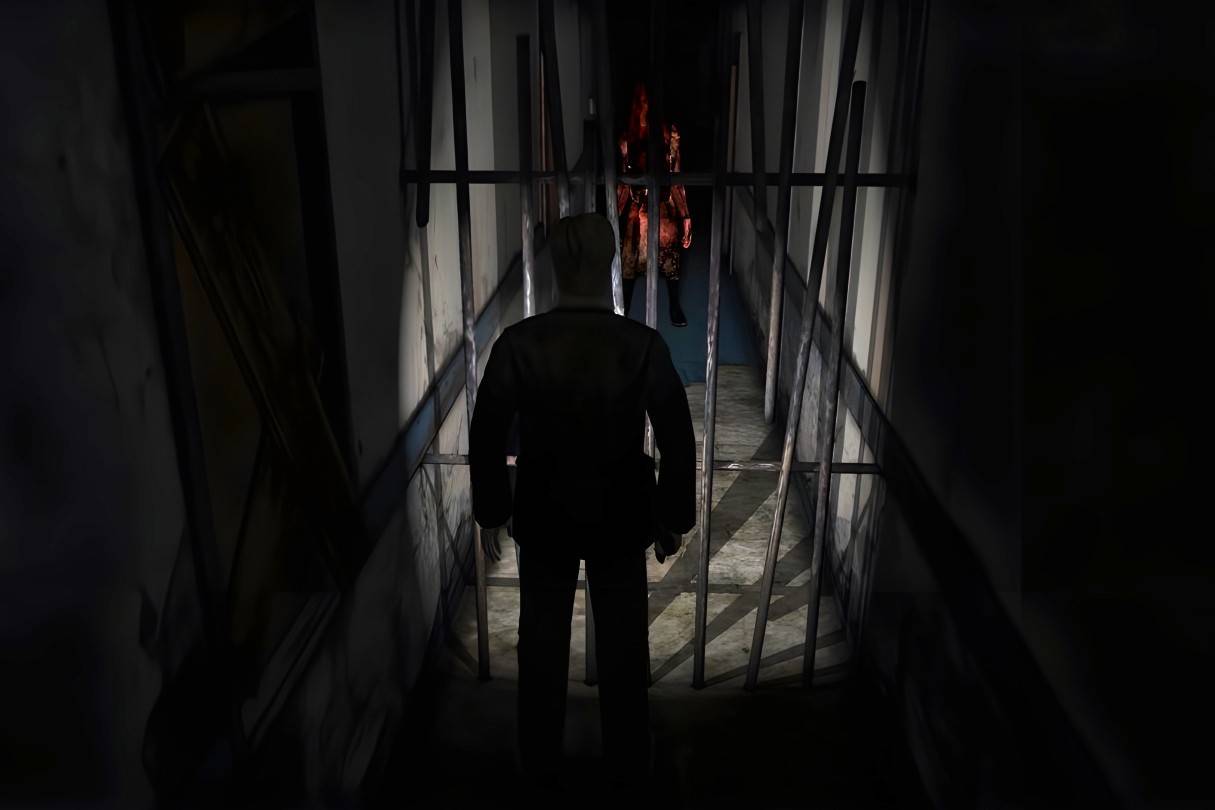 Image: ensigame.com
The games' heavy symbolism and complex narratives can be challenging to decipher, yet the creators strategically embed clues to aid interpretation. This exploration examines the symbolic meanings behind the series' iconic creatures. Spoiler alert!
Table of Contents
- Pyramid Head
- Mannequin
- Flesh Lip
- Lying Figure
- Valtiel
- Mandarin
- Glutton
- Closer
- Insane Cancer
- Grey Children
- Mumblers
- Twin Victims
- Butcher
- Caliban
- Bubble Head Nurse
Pyramid Head
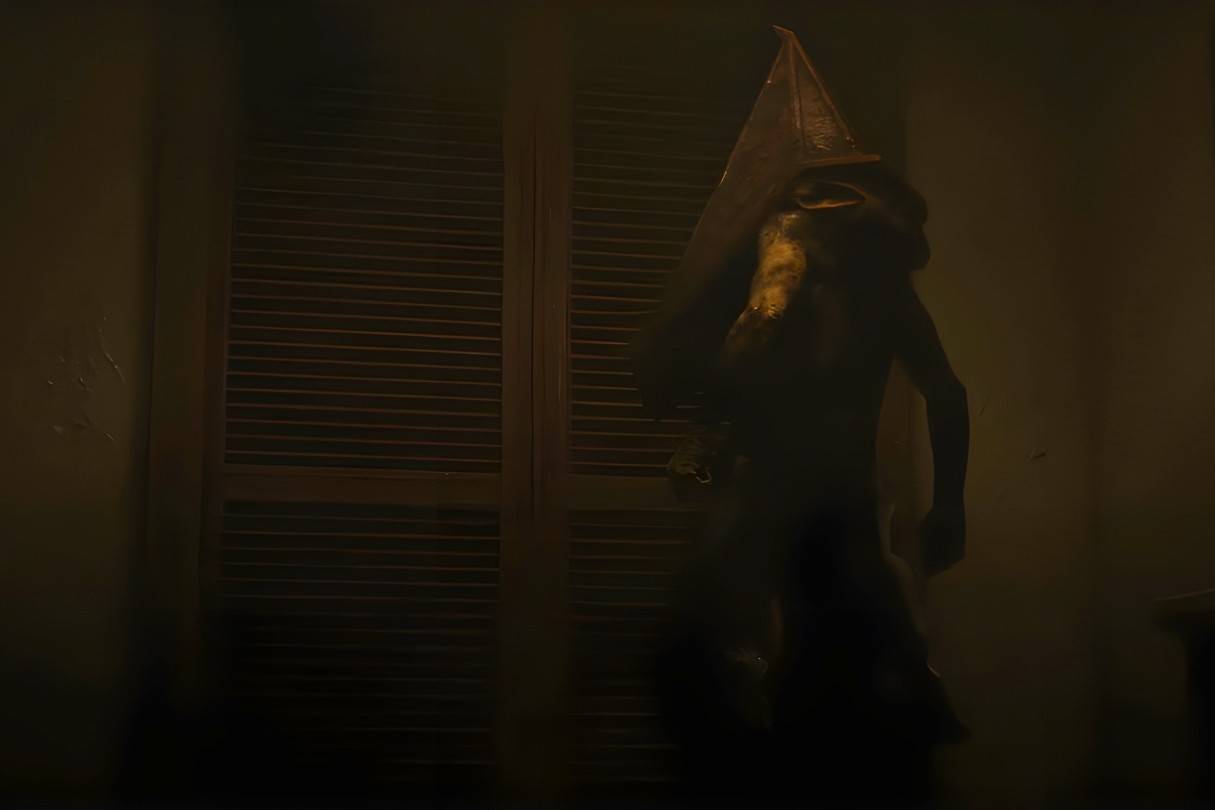 Image: ensigame.com
First appearing in Silent Hill 2 (2001), Pyramid Head embodies protagonist James Sunderland's guilt and inner torment. Masahiro Ito's design, influenced by PS2 hardware limitations, cleverly uses reduced polygon counts to create expressive movement. Takayoshi Sato describes him as a "distorted memory of the executioners," reflecting Silent Hill's dark history of capital punishment. He serves as both punisher and reflection of James' subconscious desire for self-punishment.
Mannequin
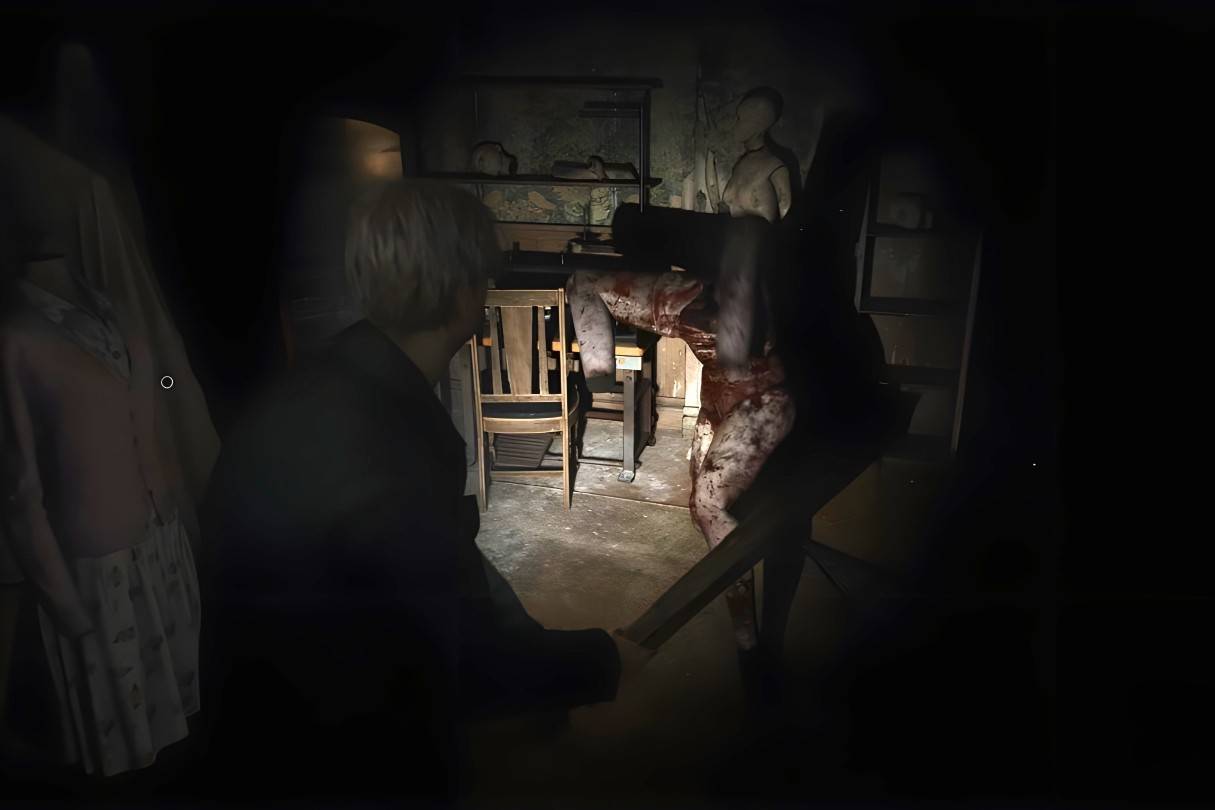 Image: ensigame.com
Introduced in Silent Hill 2, the Mannequins are among nine manifestations of James Sunderland's subconscious, represented by nine red squares. Ito's design draws inspiration from Japanese folklore. They symbolize James' repressed memories of his wife Mary's illness, their leg braces mirroring Mary's orthotics, and the tubes evoking hospital imagery. Reflecting Freudian psychoanalytic theory, they embody James' guilt and suppressed urges.
Flesh Lip
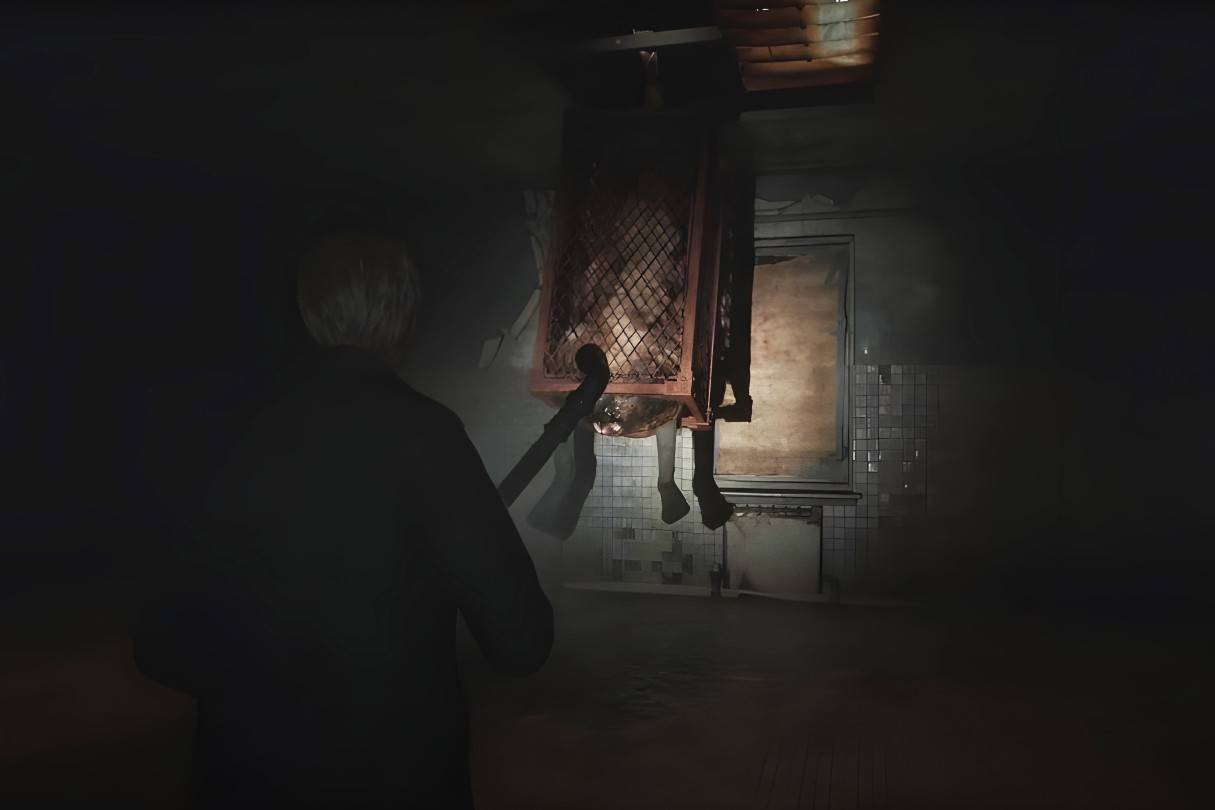 Image: ensigame.com
Debuting in Silent Hill 2, Flesh Lip is another manifestation of James' subconscious, its design inspired by Isamu Noguchi's Death (Lynched Figure) and Joel-Peter Witkin's Man with No Legs. It also appears in Silent Hill: Book of Memories and other adaptations. The creature represents James' memory of Mary's illness, its hanging form resembling a hospital bed, and its damaged flesh mirroring Mary's condition. The abdominal mouth symbolizes her verbal abuse during her final days. Its appearance precedes other creatures with mouths, emphasizing James' confrontation with painful memories.
Lying Figure
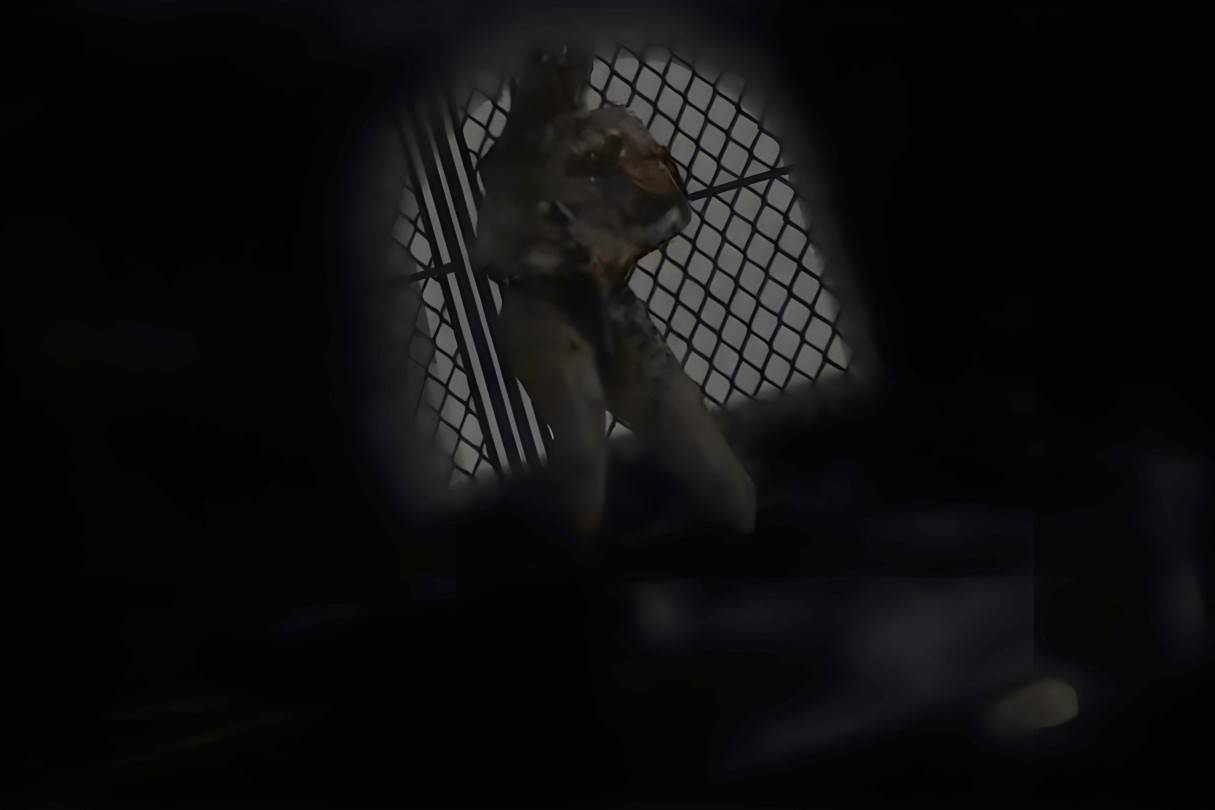 Image: ensigame.com
The Lying Figures, James Sunderland's first encounter in Silent Hill 2, also appear in films, comics, and the game's remake. They embody James' repressed guilt and memories of Mary's suffering. Their contorted bodies resemble hospital patients in agony, while their upper torsos evoke body bags, symbolizing death. The name itself refers to Mary's position in her sickbed and as a corpse.
Valtiel
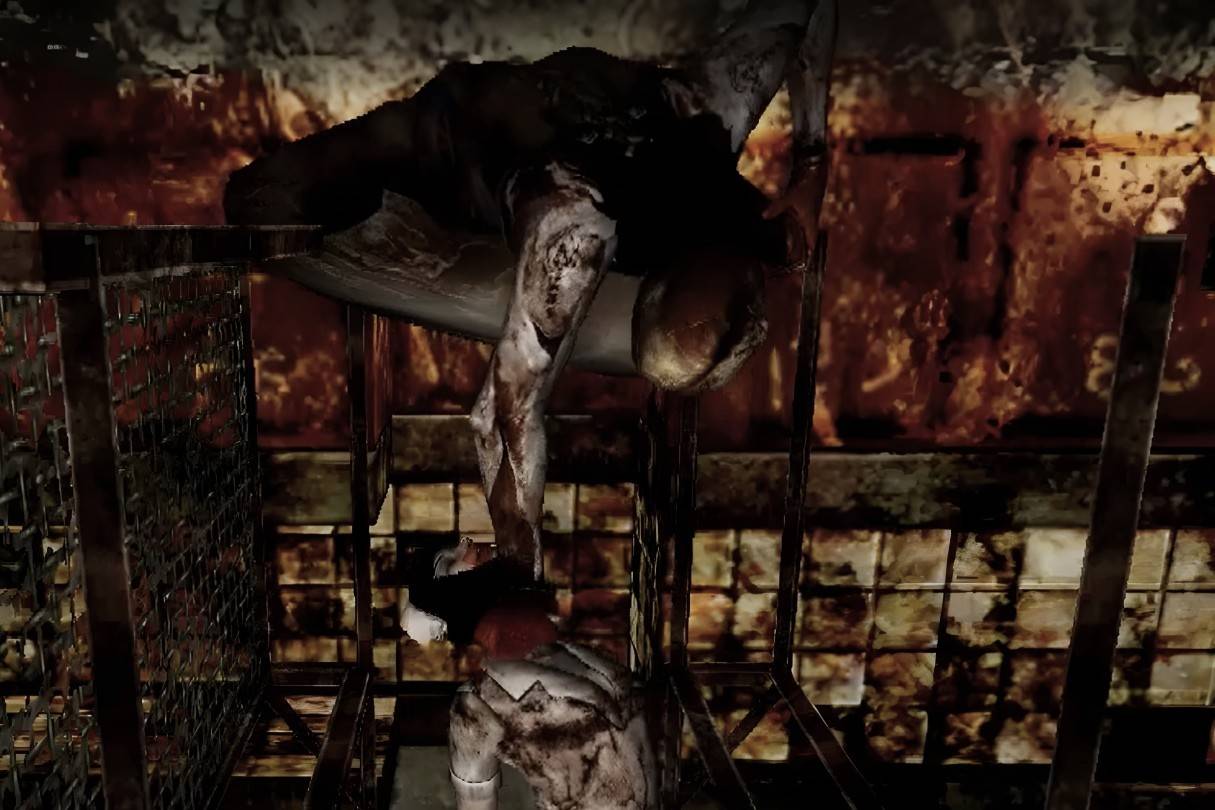 Image: ensigame.com
Unlike most Silent Hill creatures, Valtiel (Silent Hill 3, 2003) is not a subconscious manifestation but an independent entity serving the Order's god. His name, a combination of "valet" and "-el," signifies "Attendant of God." He reappears in Silent Hill: Revelation (2012). His masked, robed form resembles a surgeon, emphasizing his role in Heather's transformation into the "mother" of God.
Mandarin
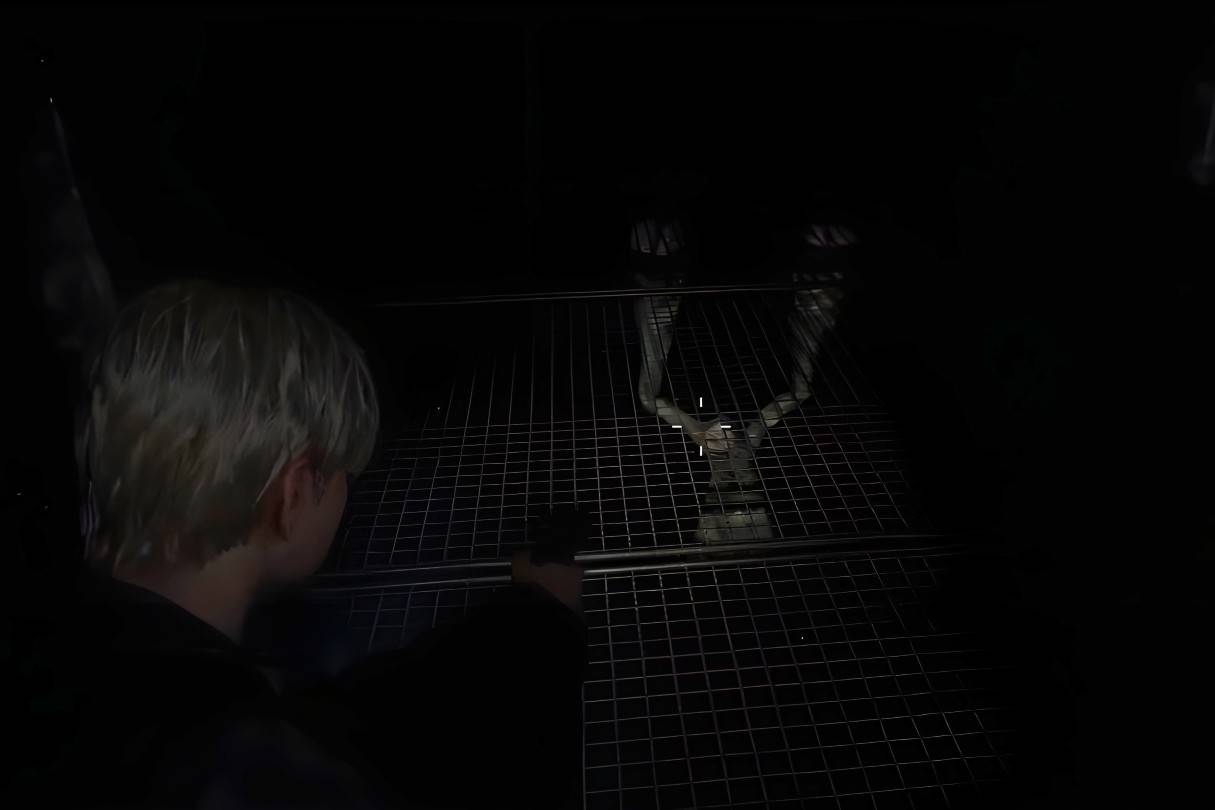 Image: ensigame.com
These grotesque creatures in Silent Hill 2 lurk beneath metal grates, attacking James with tentacle-like appendages. They embody James' anguish and memories of Mary's suffering. Their orifice-like mouths connect to the recurring "mouth" motif in Silent Hill 2, symbolizing Mary's inner turmoil and anger. Their subterranean confinement reflects James' subconscious desire to escape his guilt.
Glutton
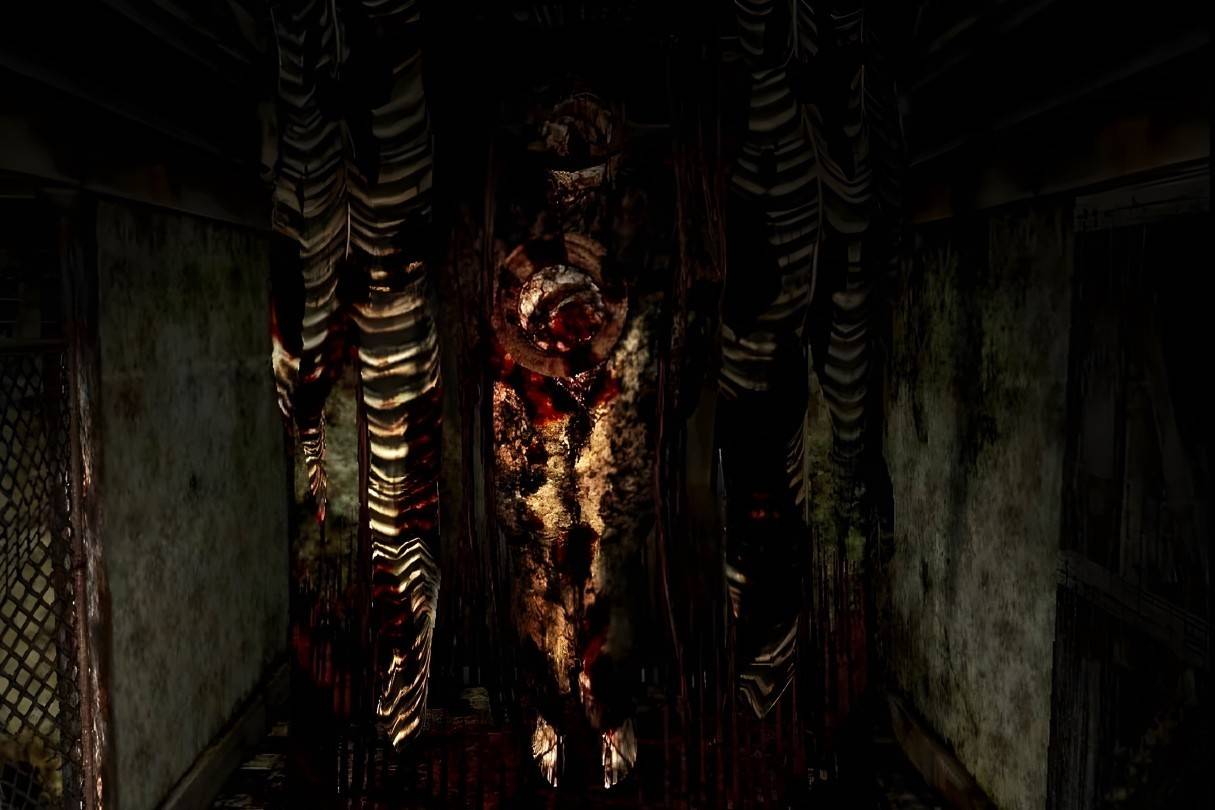 Image: ensigame.com
The immobile Glutton (Silent Hill 3) blocks Heather Mason's path. Lost Memories: Silent Hill Chronicle links it to the fairytale "Tu Fui, Ego Eris," symbolizing helplessness in the face of fate, mirroring Heather's struggle.
Closer
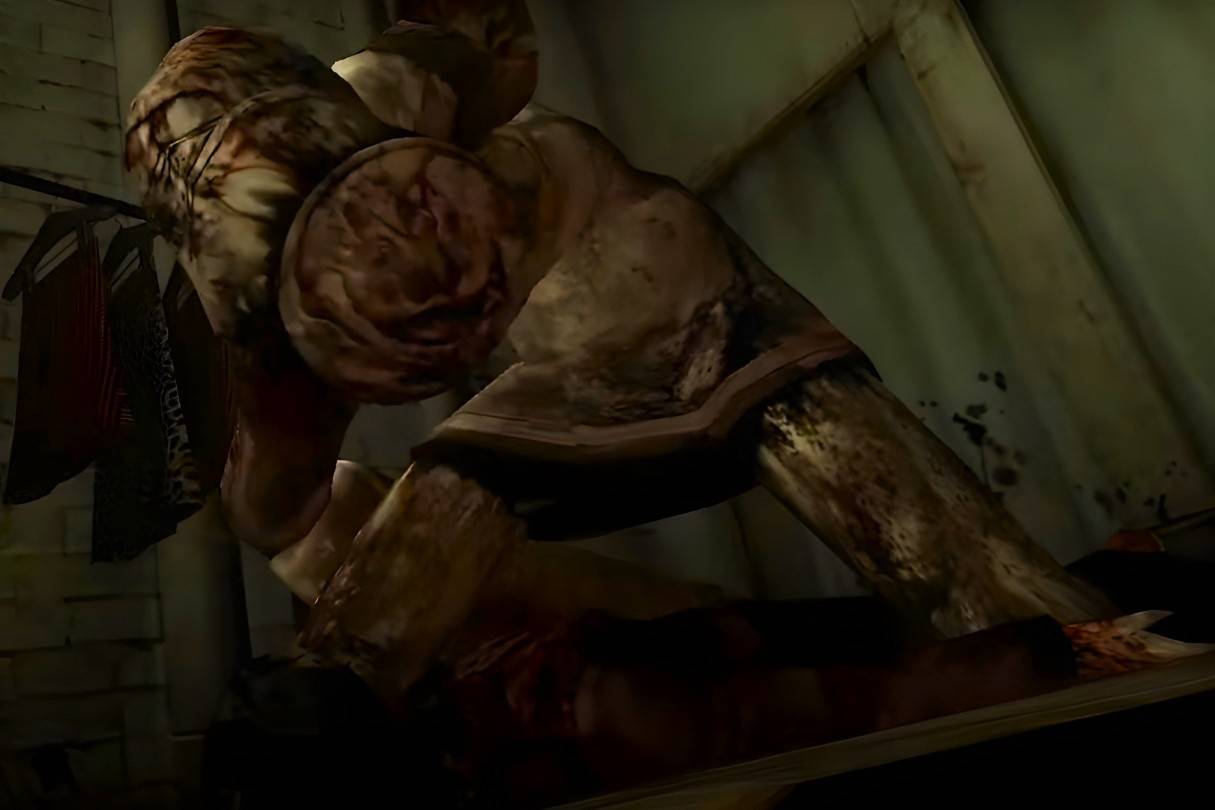 Image: ensigame.com
Heather Mason's first encounter outside her dream in Silent Hill 3, the Closer is a towering figure with stitched arms and twitching lips. Lost Memories states its name refers to its ability to block paths.
Insane Cancer
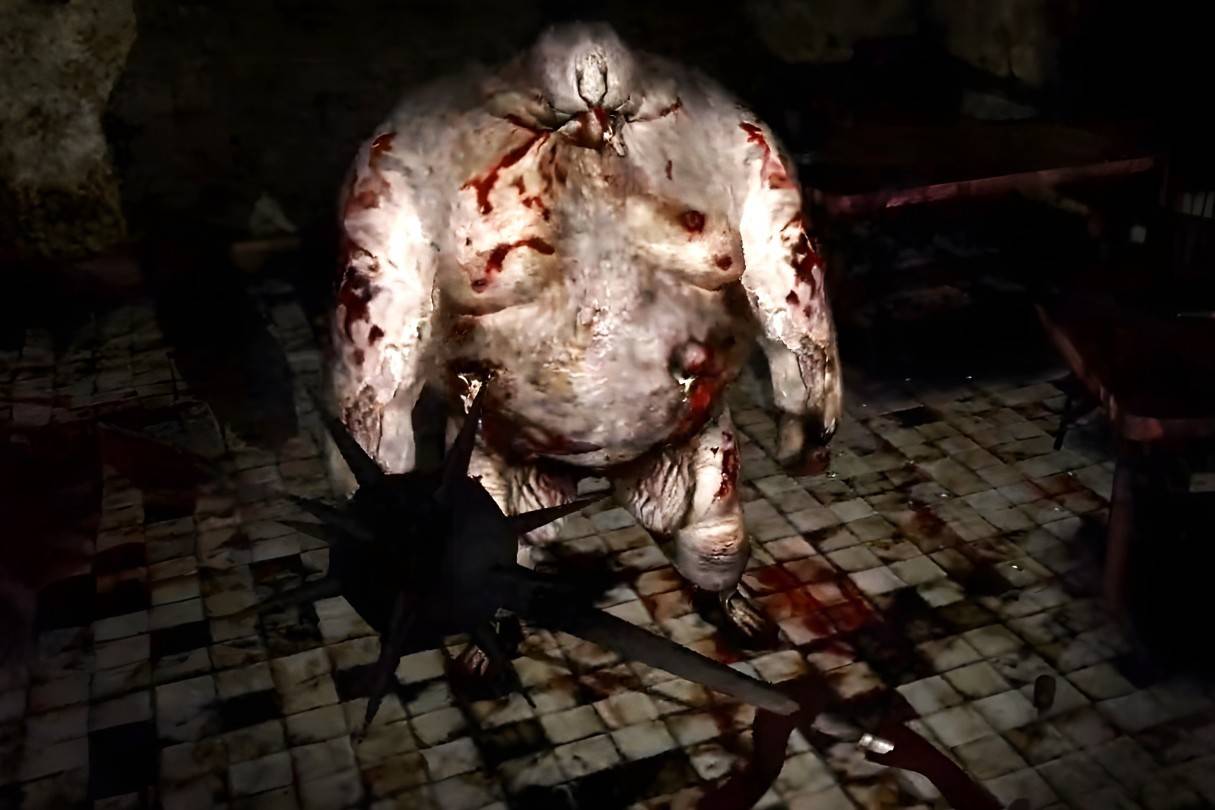 Image: ensigame.com
Appearing in Silent Hill 3, Silent Hill: The Arcade, and Silent Hill: Book of Memories, the Insane Cancer explodes upon defeat. Its tumor-like form reflects disease and corruption, potentially symbolizing Silent Hill's spreading evil or Alessa Gillespie's self-loathing.
Grey Children
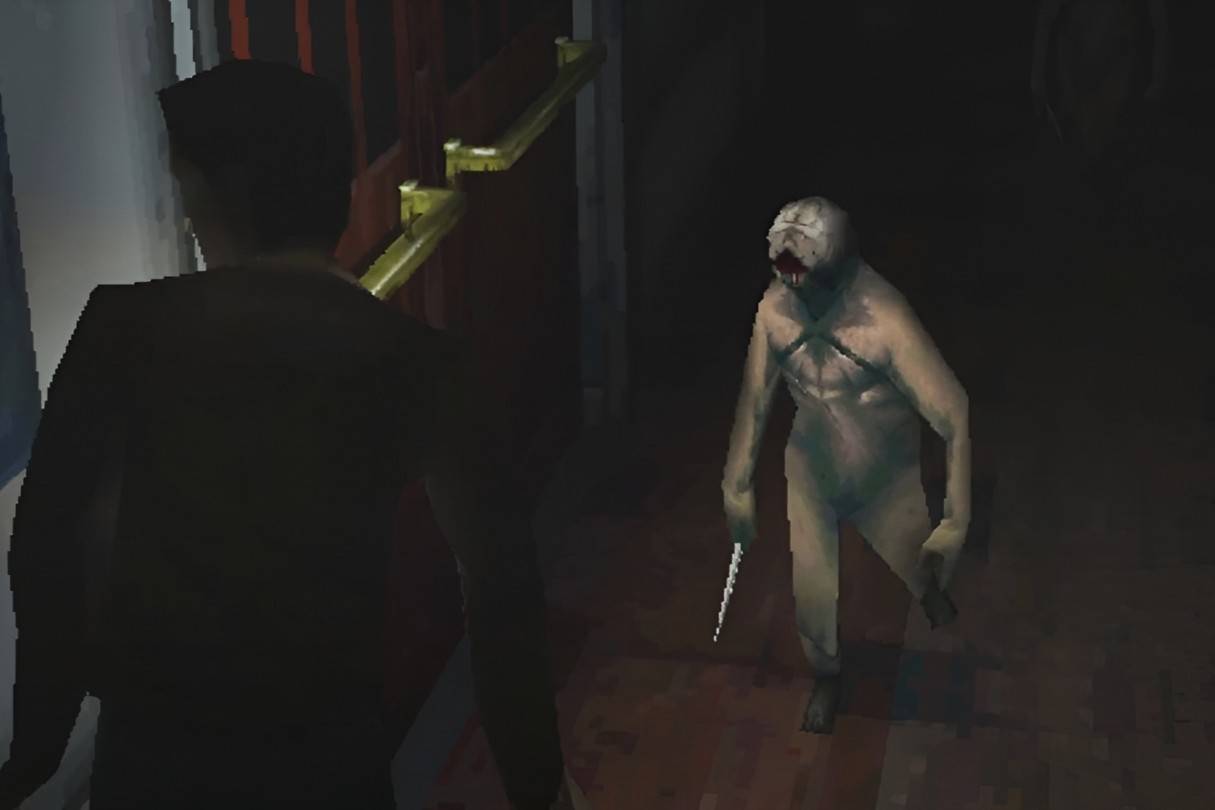 Image: ensigame.com
Also called Demon Children, these creatures (Silent Hill) manifest Alessa Gillespie's trauma, representing her tormentors. Trapped in eternal childhood, they reflect Alessa's pain and revenge.
Mumblers
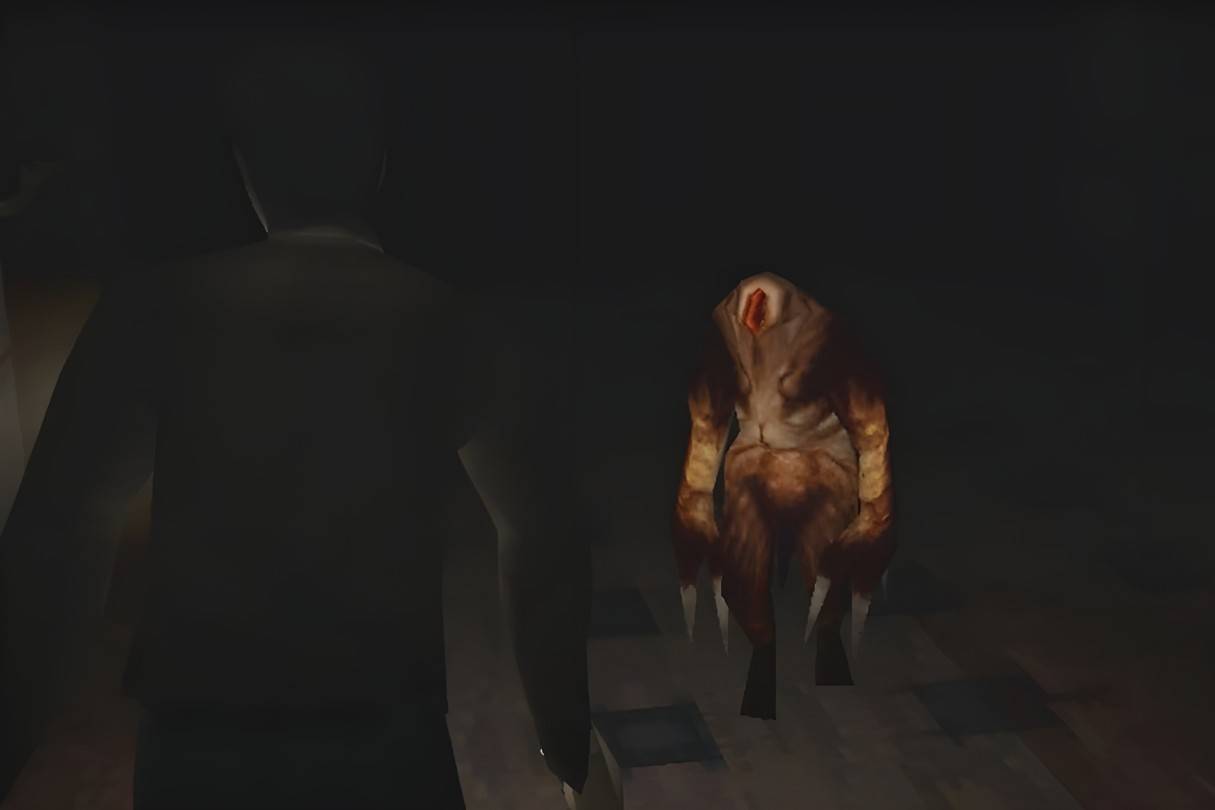 Image: ensigame.com
These small creatures (Silent Hill) react aggressively to light. They embody a dark reinterpretation of menacing animals and demons from fairy tales Alessa read as a child.
Twin Victims
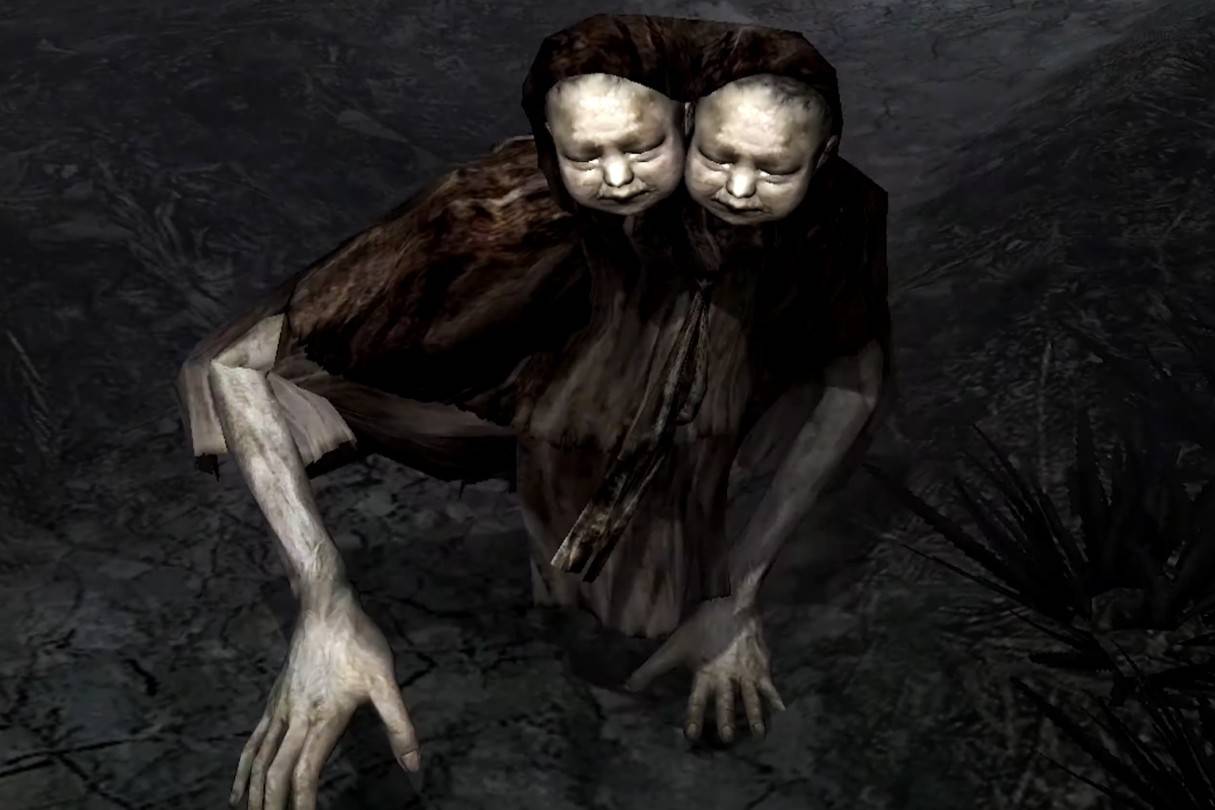 Image: ensigame.com
Also known as Doublehead (Silent Hill 4), these creatures manifest Walter Sullivan's twin victims. Their conjoined nature may symbolize Walter's obsessive attachment to his mother.
Butcher
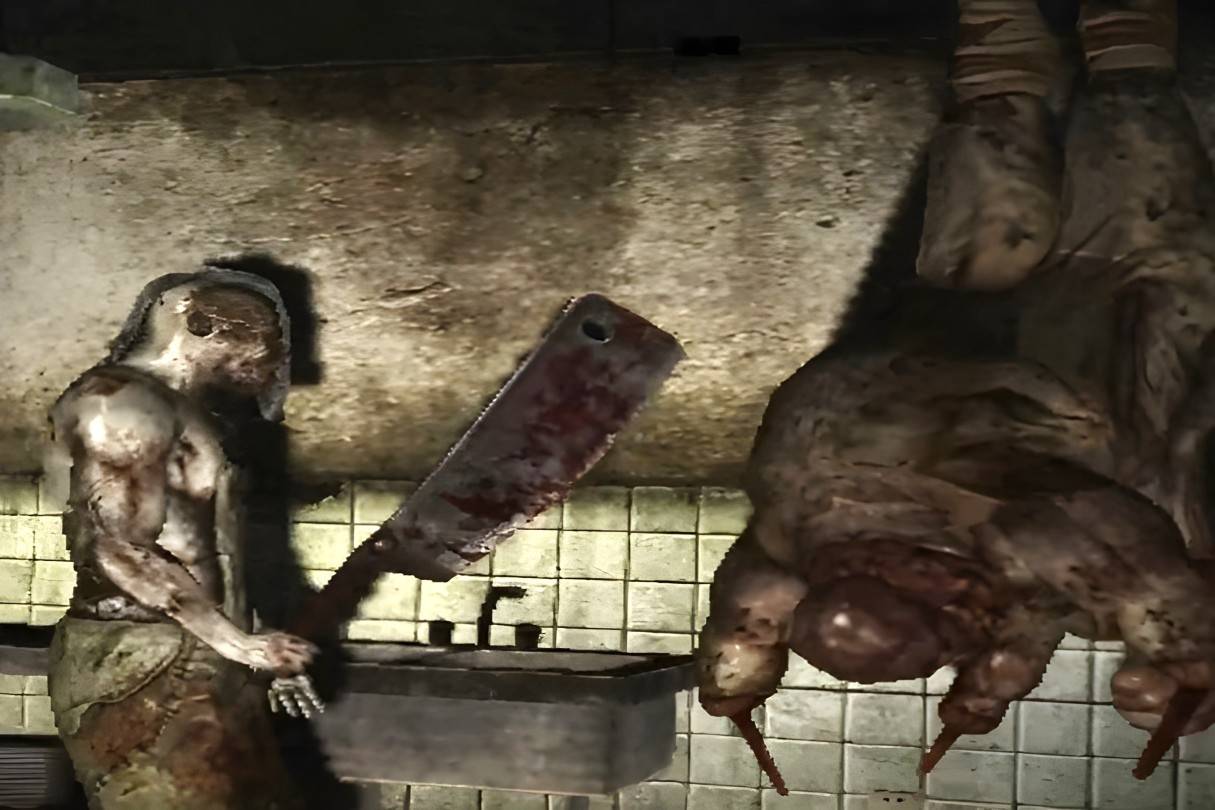 Image: ensigame.com
A major antagonist in Silent Hill: Origins, the Butcher represents cruelty and sacrifice, reflecting the Order's rituals and Travis Grady's inner rage.
Caliban
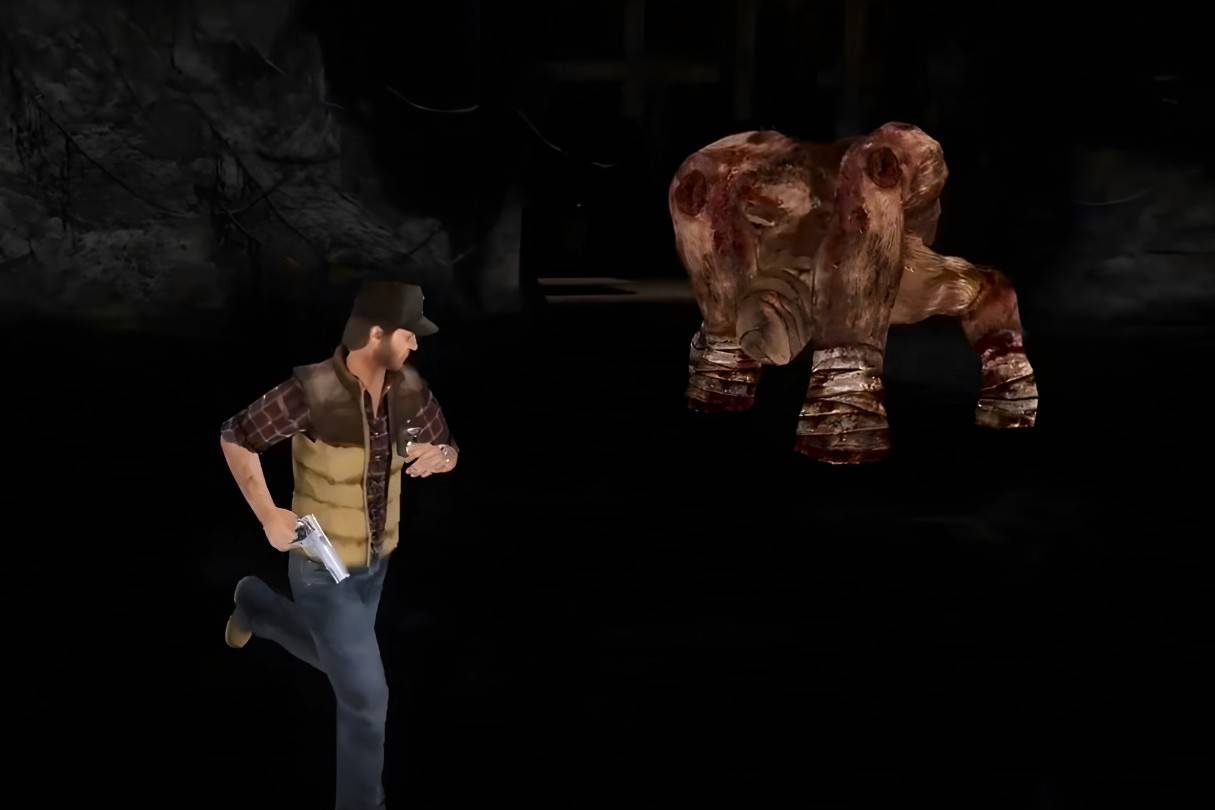 Image: ensigame.com
Named after Shakespeare's The Tempest, Caliban (Silent Hill: Origins) symbolizes Alessa's fears, particularly her fear of dogs.
Bubble Head Nurse
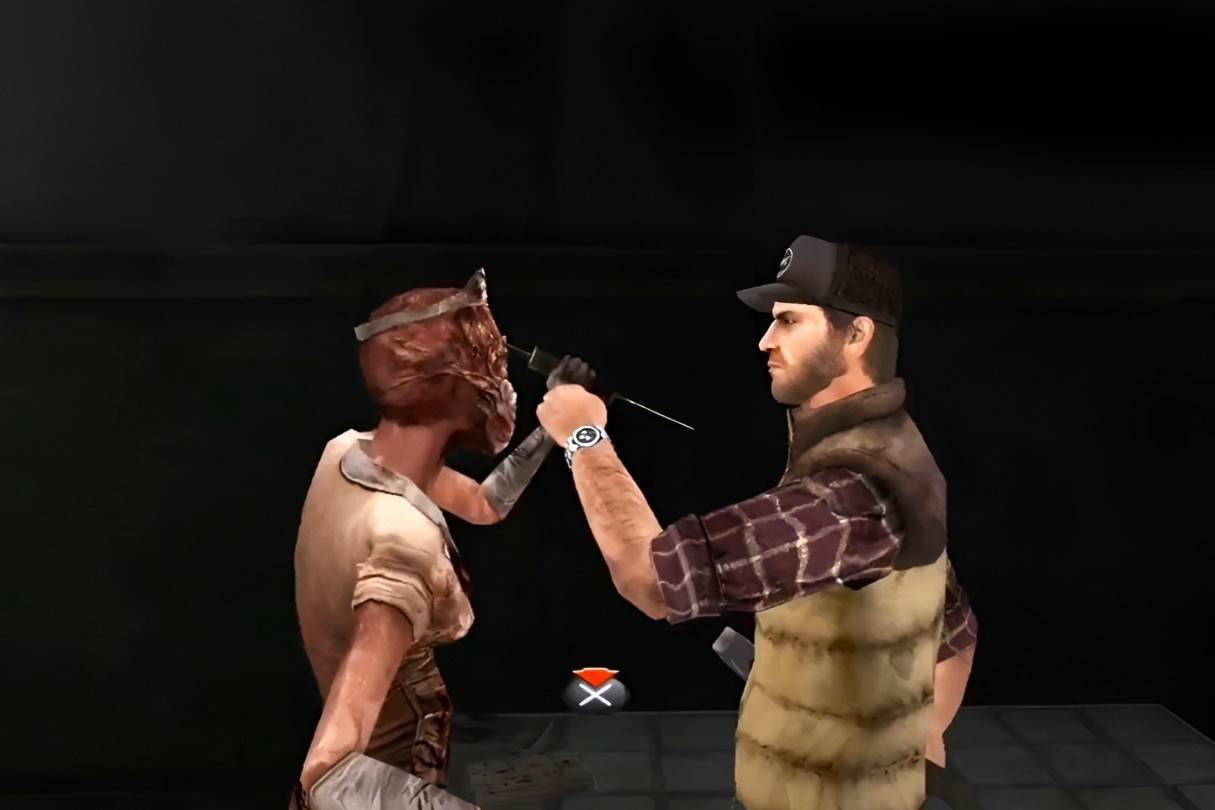 Image: ensigame.com
These creatures (Silent Hill 2) manifest James Sunderland's subconscious, symbolizing his guilt and repressed desires. Their swollen heads represent Mary's illness and suffocation.
The Silent Hill monsters are more than enemies; they are psychological manifestations of fear, guilt, trauma, and repressed emotions. Their haunting presence reinforces the series' signature blend of psychological horror, making it a masterpiece of unsettling storytelling and profound symbolism.
 Latest Downloads
 Downlaod


 Top News