
Amazon Prime's animated adaptation of Robert Kirkman's Invincible comic book series has garnered significant attention, blending intense action, multifaceted characters, and morally complex narratives. However, translating the expansive comic book story into a television format necessitated changes, some subtle, others substantial. This analysis examines key differences between the series and the comics, explores the reasons behind Season 3's mixed reception, and assesses the impact of these adaptations on the overall narrative.
Table of Contents
- From Page to Screen: Key Adaptational Choices
- Mark Grayson's Evolution: Accelerated Growth vs. Gradual Development
- Supporting Characters: Shifting Dynamics and Screen Time
- Antagonists: Streamlined Motivations for Pacing
- Action Sequences: Enhanced Visuals and Choreography
- Thematic Focus: Morality, Legacy, and Philosophical Nuances
- Season 3 Critique: A Diminished Spark
- Repetitive Story Arcs: Familiar Ground Retreaded
- Cecil's Subplot: An Underwhelming Narrative
- Action Sequences: A Lack of Impact
- Slow Start: Delayed Momentum
- Adaptation and Innovation: Striking a Balance
- Reasons to Continue Watching (Spoiler Alert)
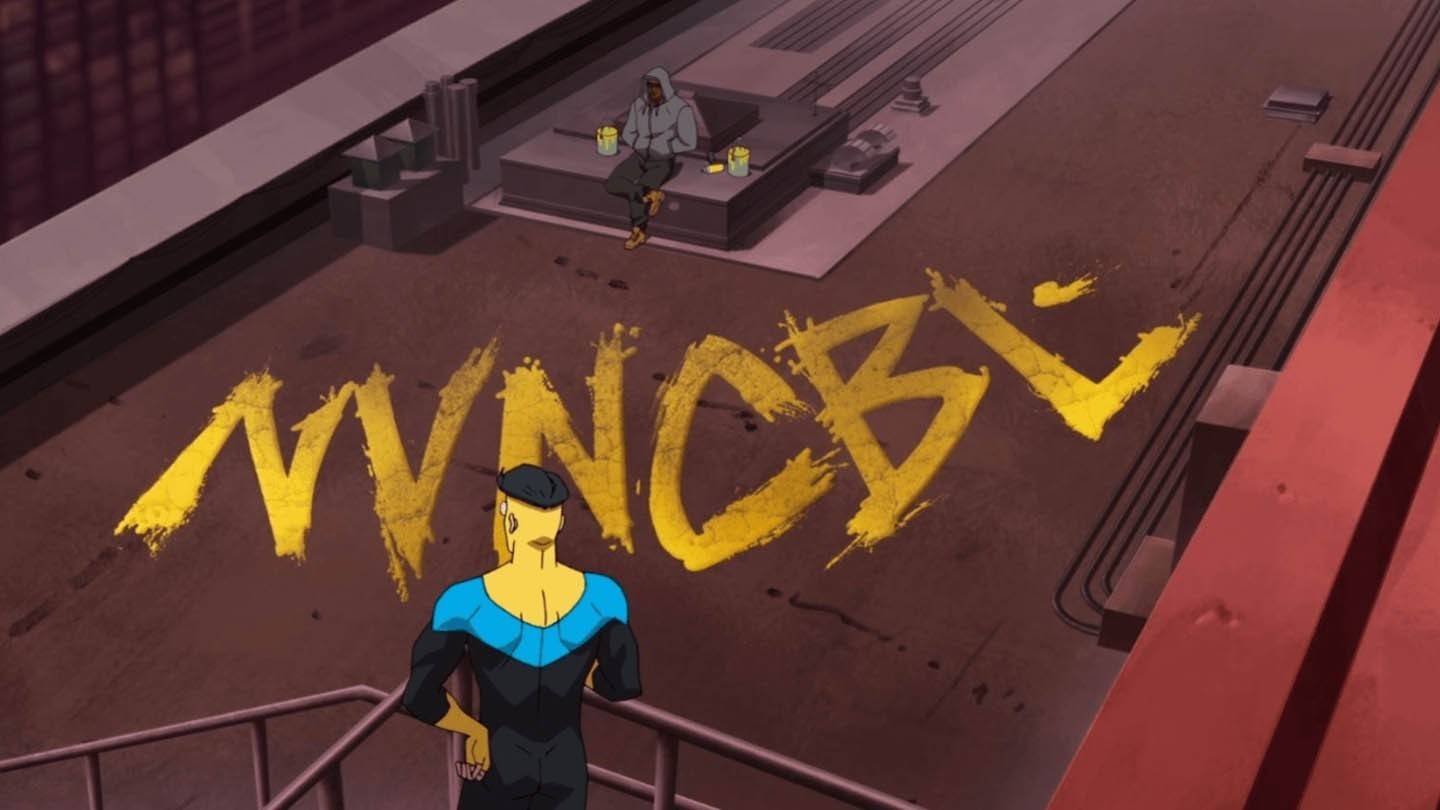 Image: amazon.com
Mark Grayson's Journey: Accelerated Growth
A primary difference lies in Mark Grayson's portrayal. The comics depict a gradual transformation into a superhero, showcasing his development from power discovery to confronting the moral complexities of heroism. This slow burn allows for in-depth character exploration. The series, conversely, accelerates this process, prioritizing plot urgency at the expense of some narrative depth. While maintaining viewer engagement, this compression may leave some fans feeling that aspects of Mark's growth were rushed.
Supporting Cast Dynamics: Screen Time Allocation
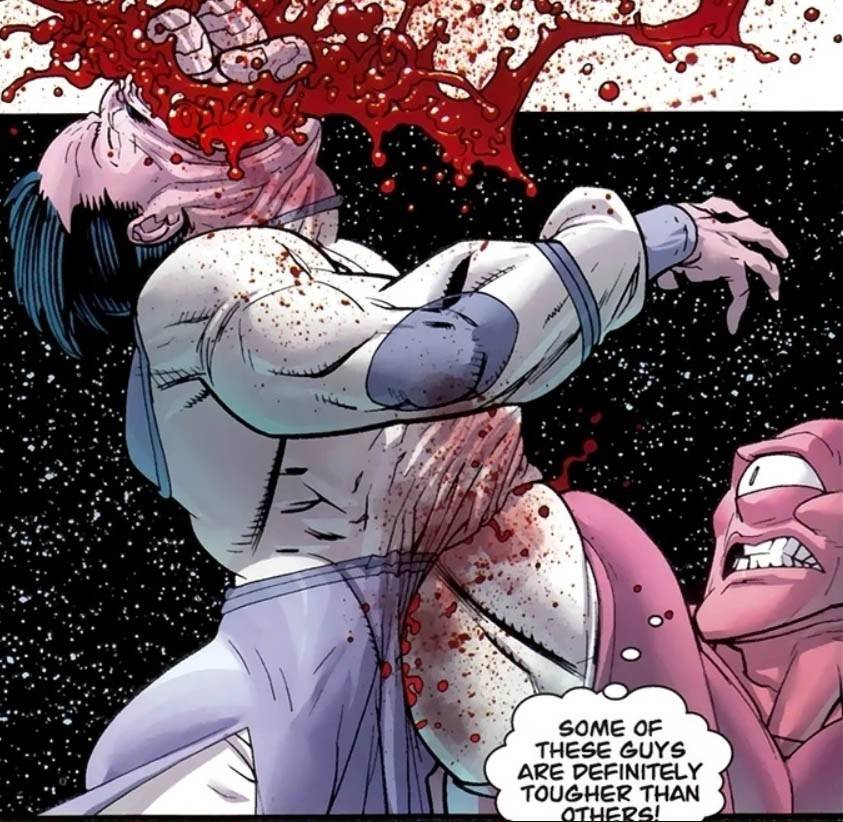 Image: amazon.com
The supporting cast experiences significant shifts. Some characters gain prominence (e.g., Allen the Alien, providing humor and context), while others (e.g., Battle Beast) receive reduced screen time. These adjustments reflect narrative streamlining and broader audience appeal.
Antagonists: Simplified Motivations
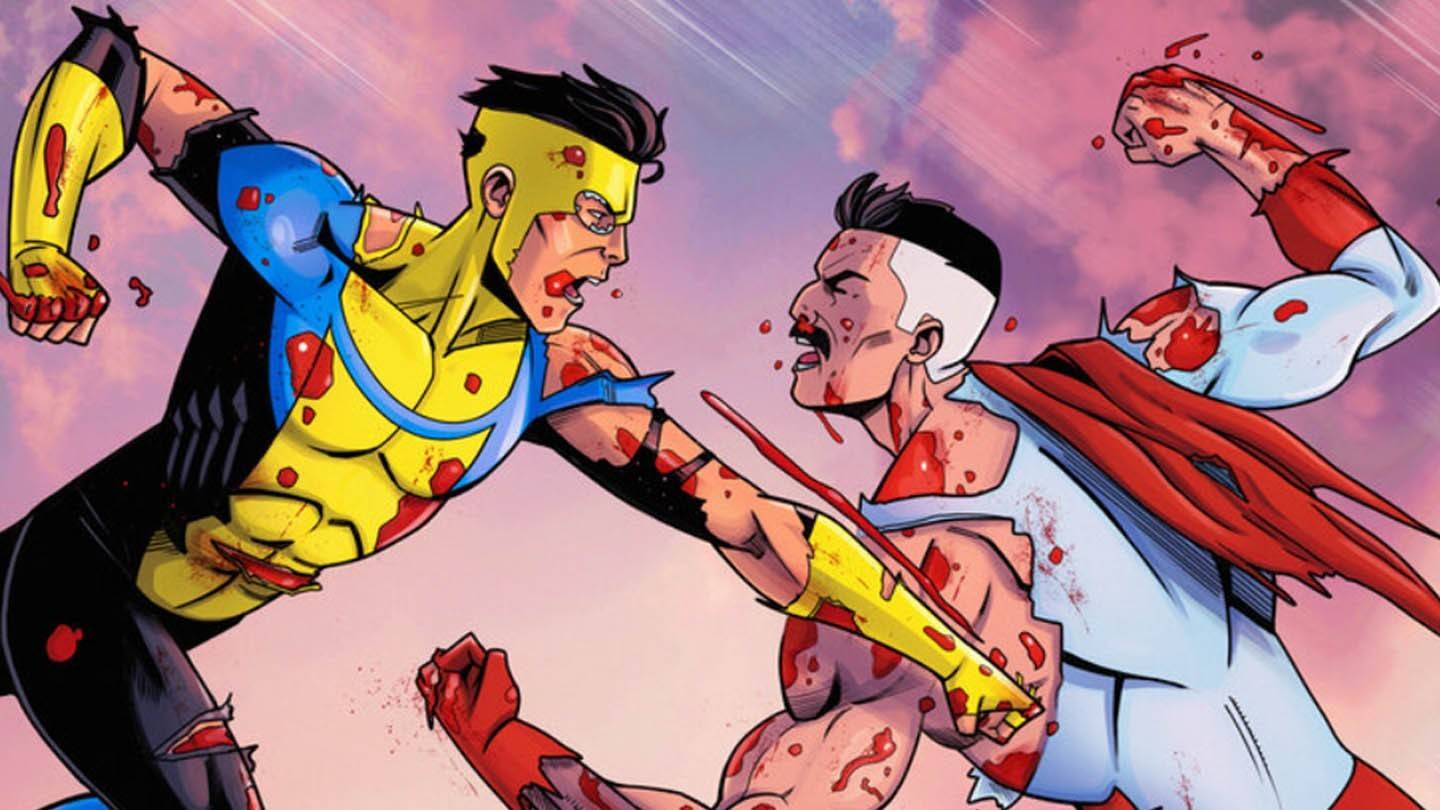 Image: amazon.com
Villains like Conquest and the Shadow Council possess nuanced motivations in the comics. The series simplifies these for pacing, focusing on high-stakes confrontations. While enhancing accessibility, this simplification risks diminishing the antagonists' complexity. Omni-Man's betrayal, for instance, feels more immediate in the series than the gradual descent depicted in the comics.
Action Sequences: Enhanced Visual Spectacle
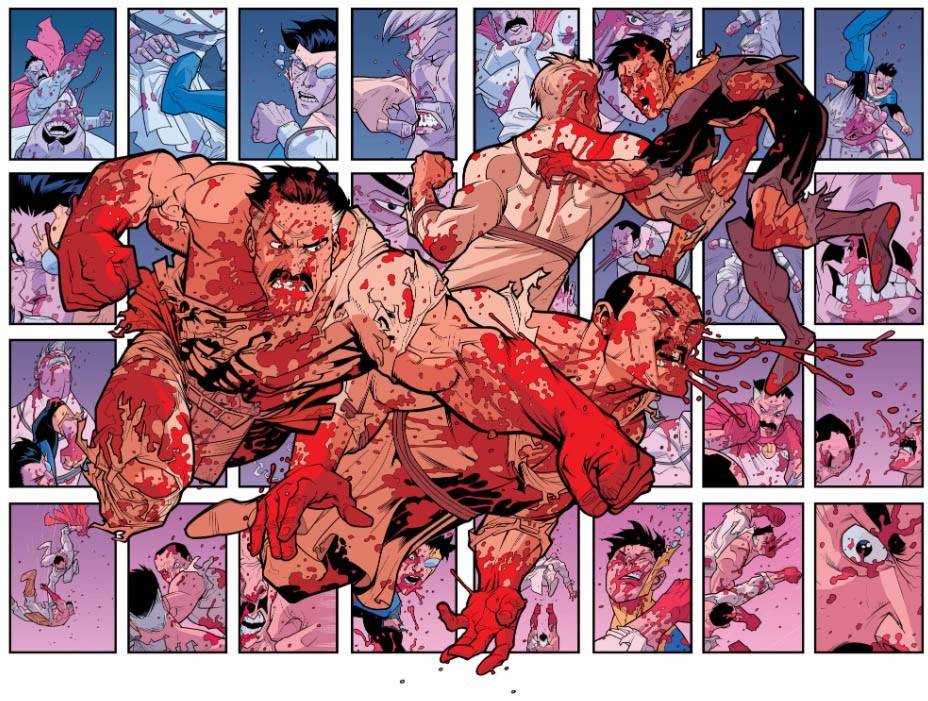 Image: amazon.com
The animated series excels in its visually stunning action sequences, utilizing dynamic choreography and special effects. Battles achieve a scale and intensity rivaling live-action films. However, these enhanced visuals sometimes deviate from the comic book depictions, though generally enhancing rather than detracting from the overall impact.
Thematic Exploration: Moral and Legacy Focus
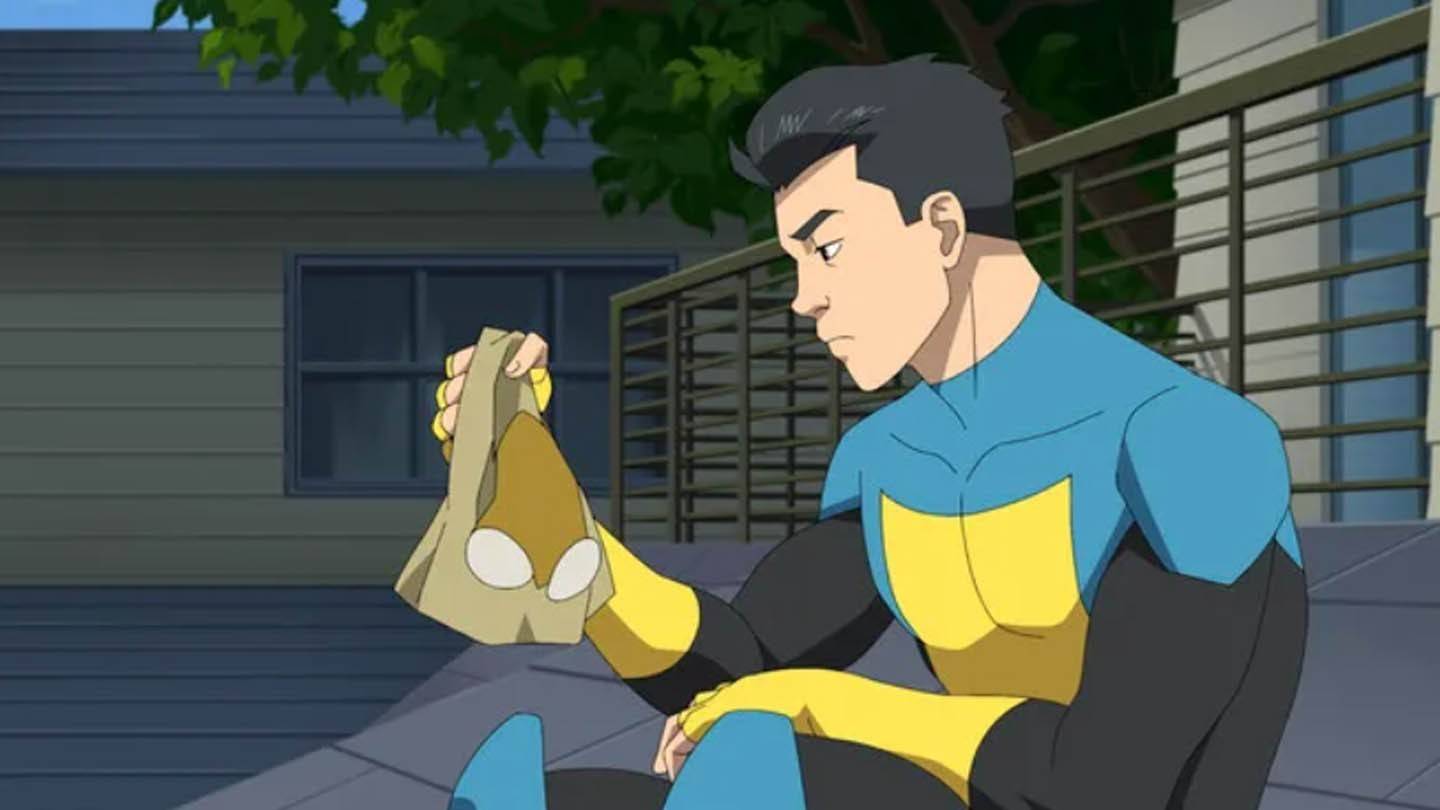 Image: amazon.com
Thematic emphasis differs. The series highlights morality, power, and legacy, aligning with episodic storytelling. Mark's internal conflict regarding his father's actions is given more screen time. Other themes, such as the philosophical implications of superhuman existence, receive less attention, ensuring narrative focus and accessibility.
Season 3 Critique: Falling Short of Expectations
Despite the success of the first two seasons, Season 3 received mixed reactions.
Repetitive Storylines
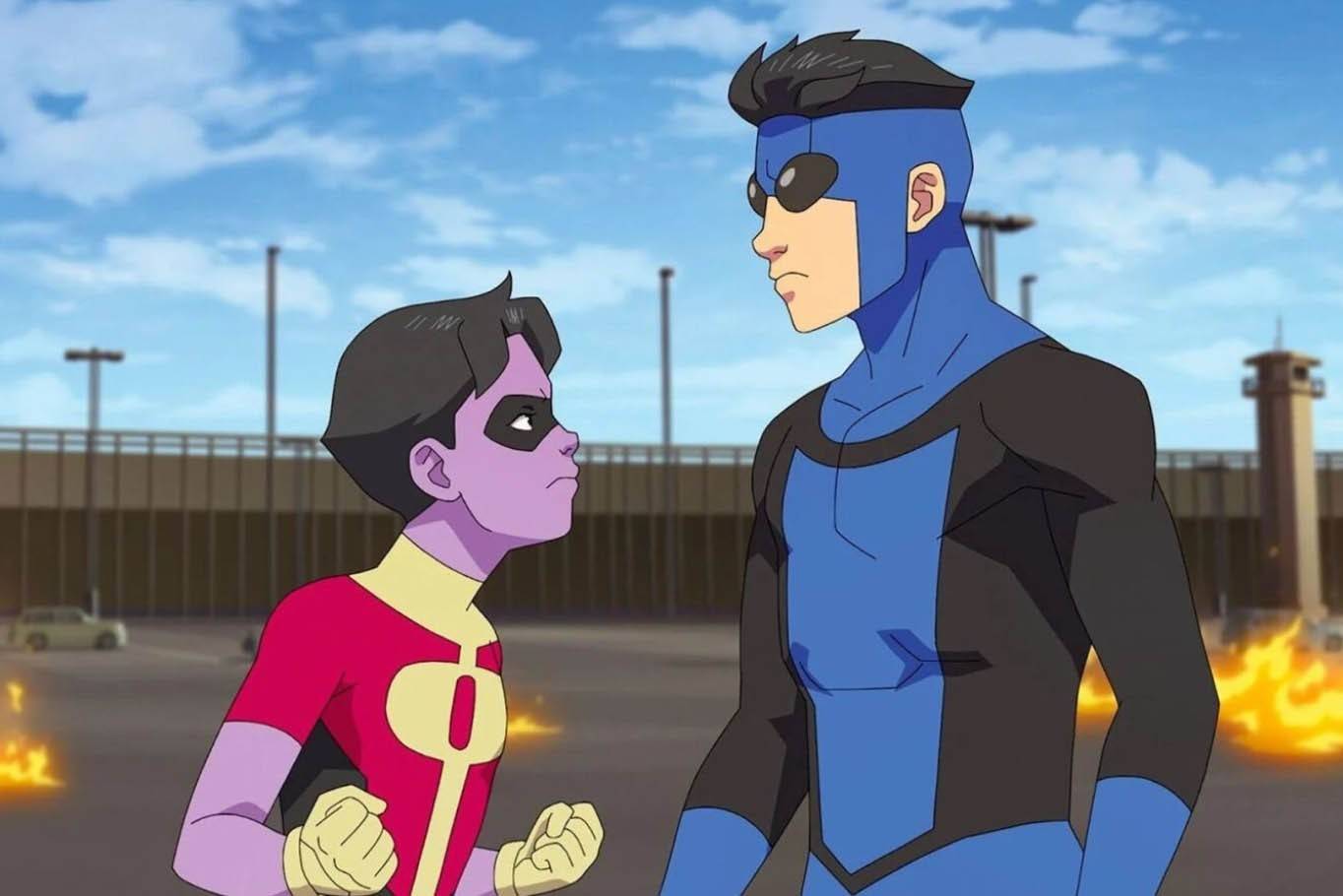 Image: amazon.com
Season 3's reliance on familiar themes and storylines is a common criticism. The show's previous strength in surprising viewers is diminished, with Mark's internal conflict, for example, feeling repetitive.
Cecil's Subplot: A Missed Opportunity
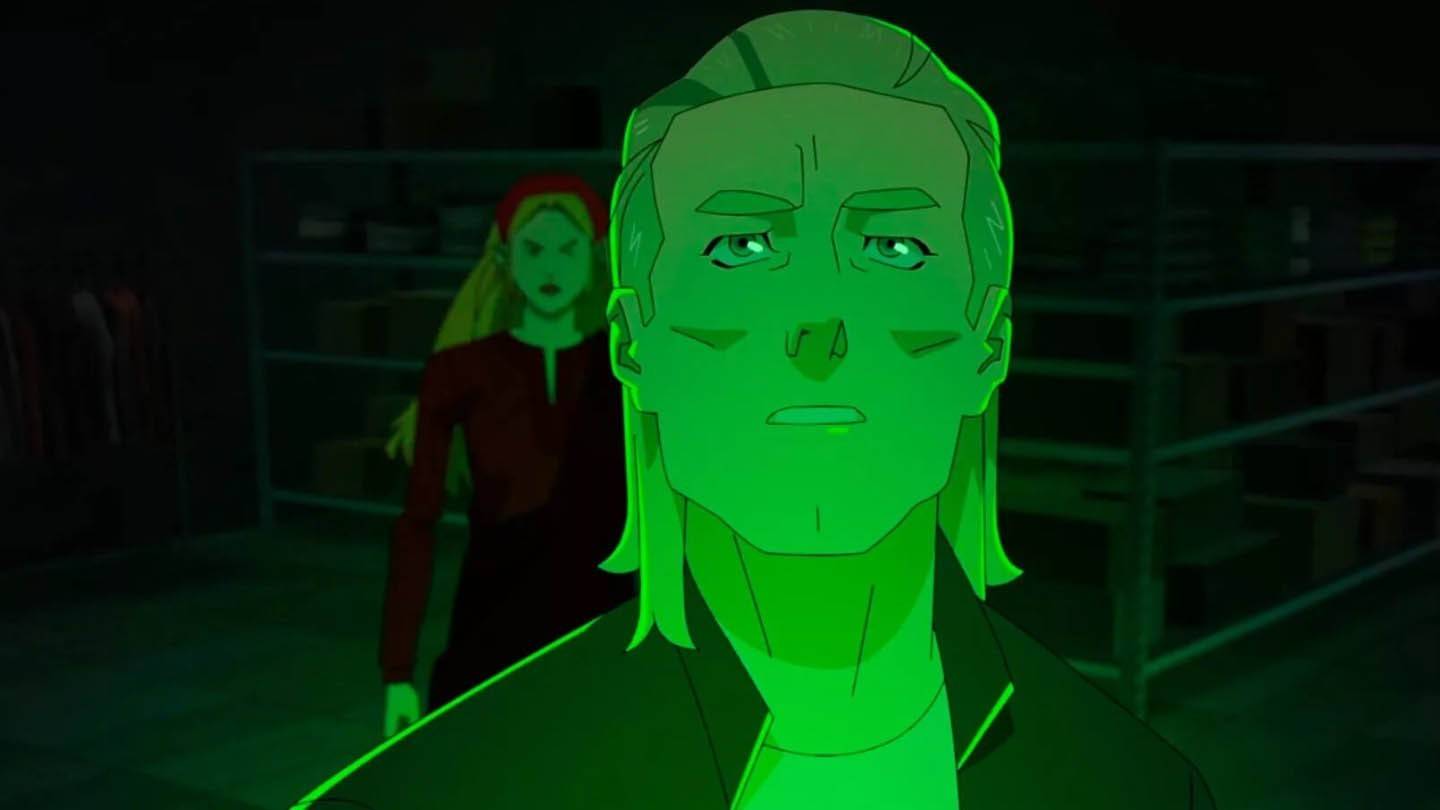 Image: amazon.com
Cecil's subplot, while intriguing, falls short due to its overly idealistic portrayal, creating a disconnect with the series' generally morally ambiguous tone.
Lackluster Action: Diminished Impact
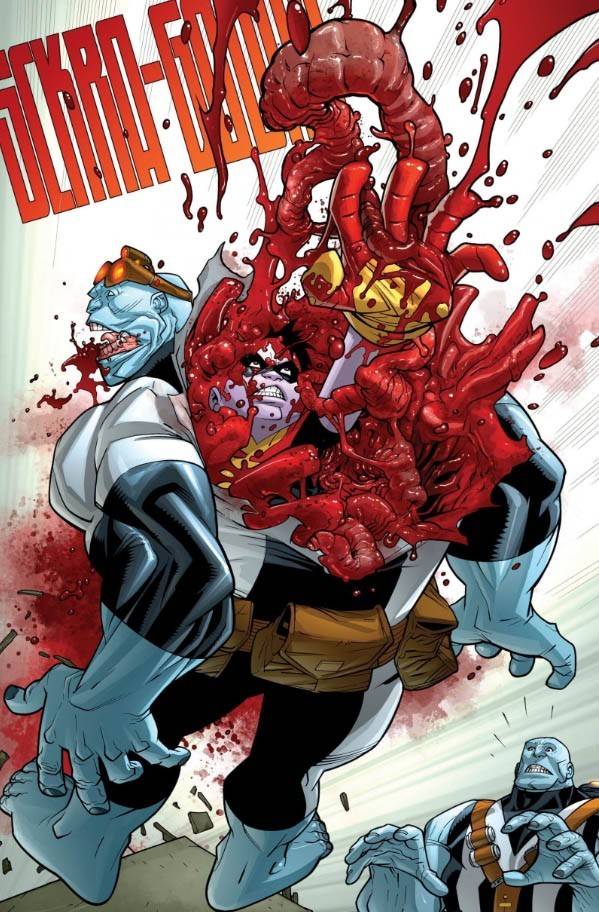 Image: amazon.com
Even the action sequences, previously a highlight, lack the emotional resonance of earlier seasons. The absence of significant stakes makes these moments feel less impactful.
Slow Start: Delayed Momentum
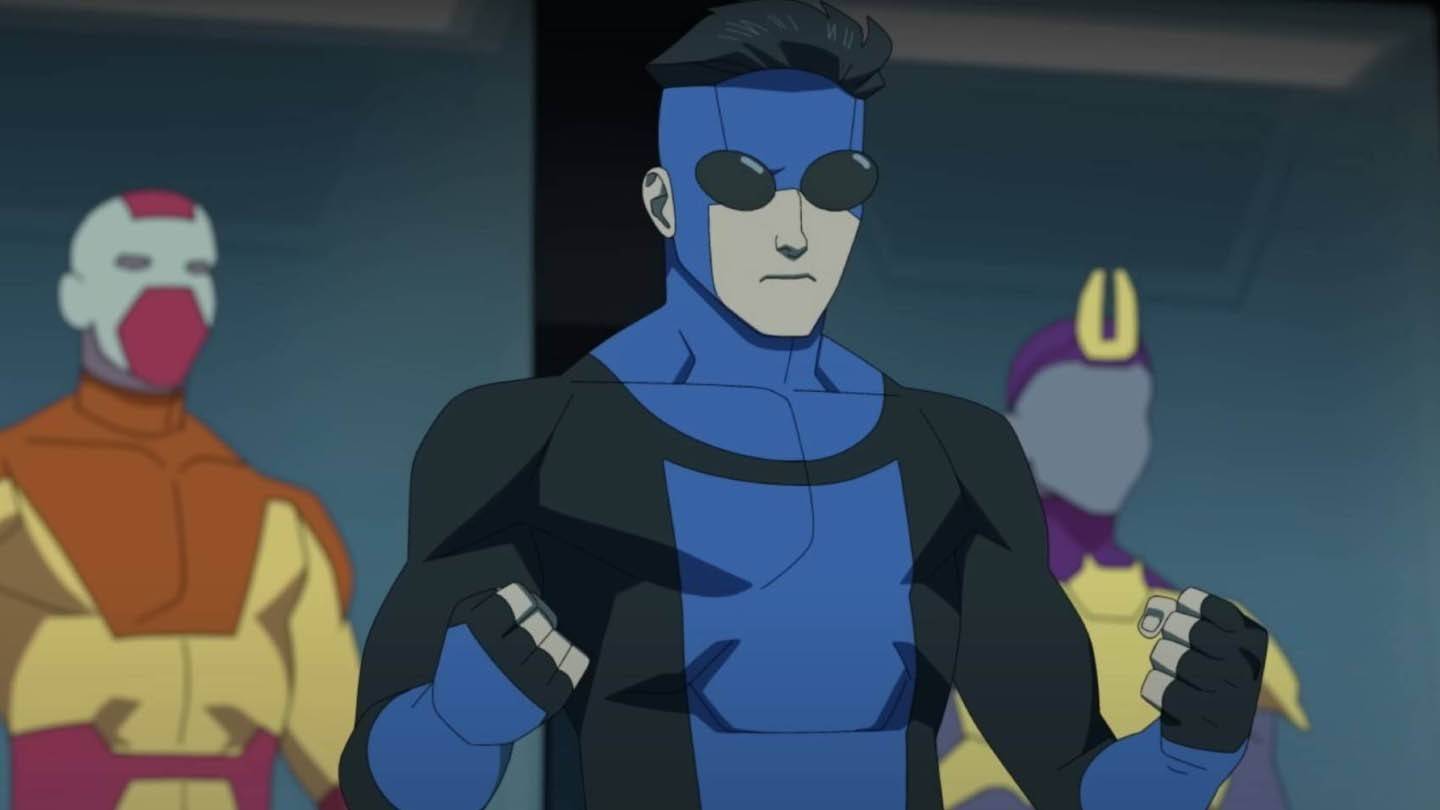 Image: amazon.com
The slow start, featuring generic villains and threats, further contributes to the underwhelming reception. The delayed build-up to the season's climax diminishes the initial excitement.
Balancing Adaptation and Innovation
The Invincible series successfully captures the essence of the comics while adapting for television. However, Season 3 highlights the challenges of maintaining this balance. Over-reliance on familiar tropes and a focus on spectacle over depth risk diminishing the original material's unique qualities.
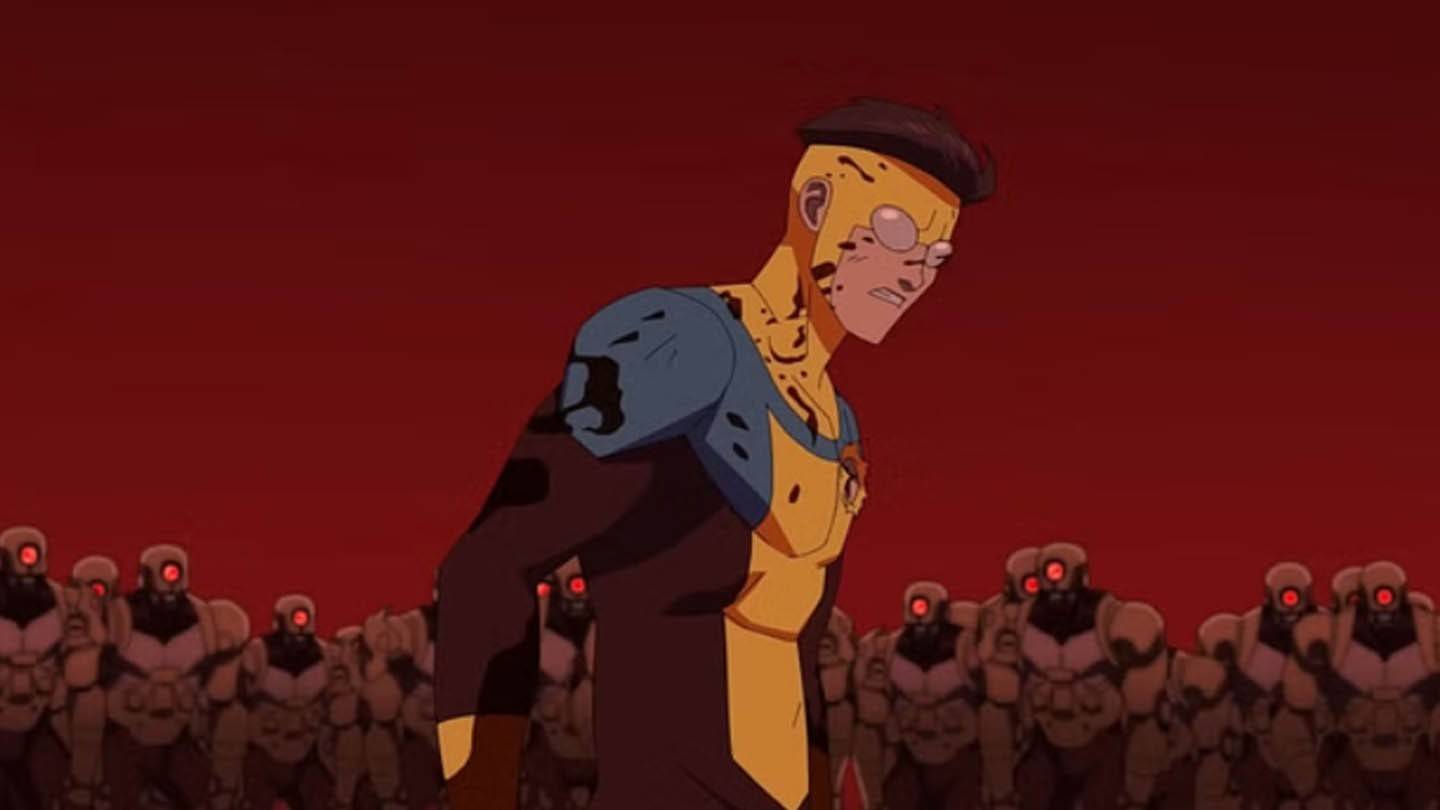 Image: amazon.com
Reasons to Continue Watching (Spoiler Alert)
Despite its flaws, Invincible remains engaging and visually impressive. Its violent action, compelling characters, and thought-provoking themes retain audience appeal. However, viewers shouldn't expect the same level of excitement as the first two seasons.
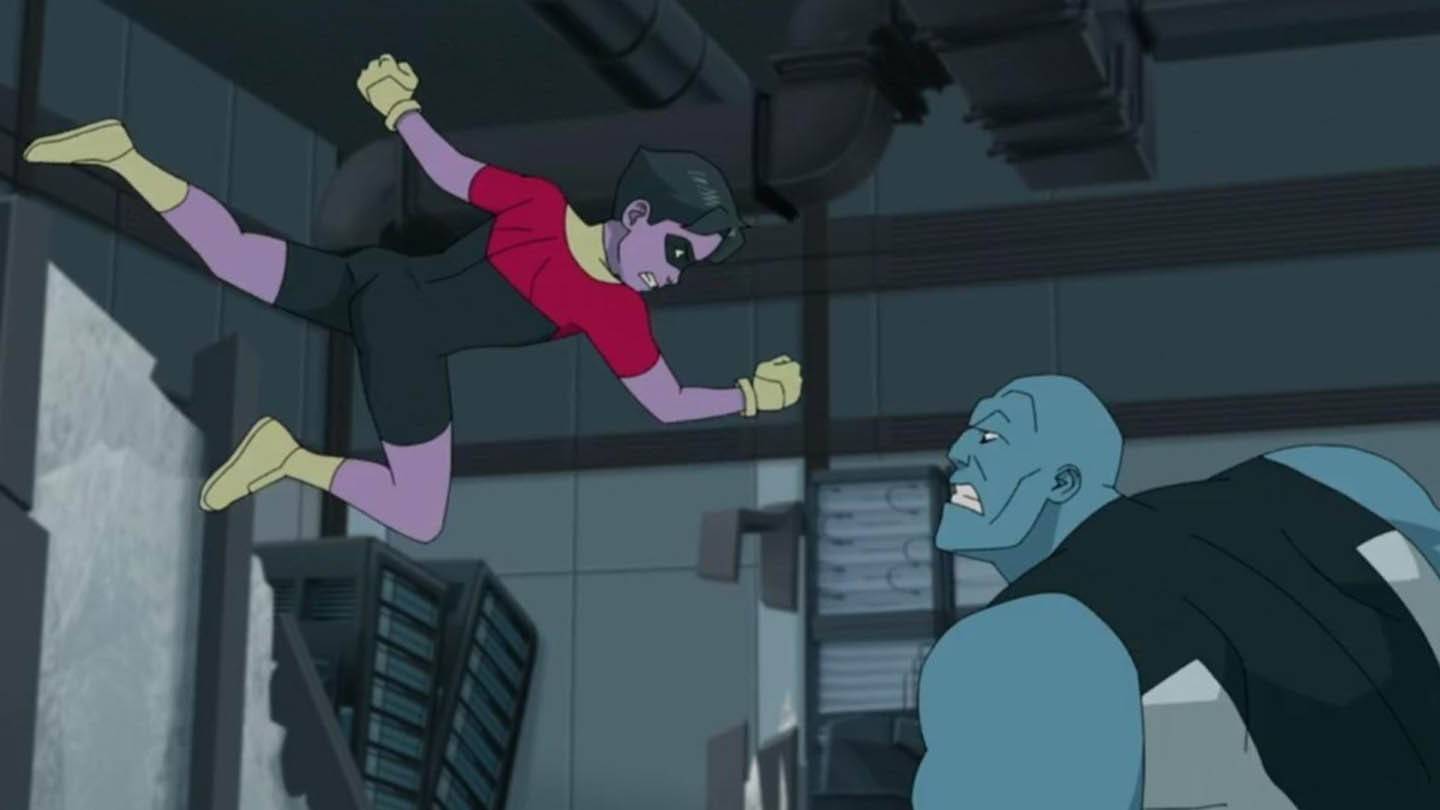 Image: amazon.com
The series' future success hinges on its ability to recapture the innovative spark that defined its earlier seasons, a challenge given the established narrative of the source material.
 Latest Downloads
 Downlaod



 Top News