

This guide explores the diverse uses of Minecraft's floral bounty, from crafting dyes to landscaping and collecting rare species. Discover the unique properties and optimal applications of various flowers in your Minecraft adventures.
Table of Contents
- Poppy
- Dandelion
- Allium
- Rose Bush
- Wither Rose
- Peony Bush
- Lily of the Valley
- Tulip
- Azure Bluet
- Blue Orchid
- Cornflower
- Torchflower
- Lilac
- Oxeye Daisy
- Sunflower
Poppy
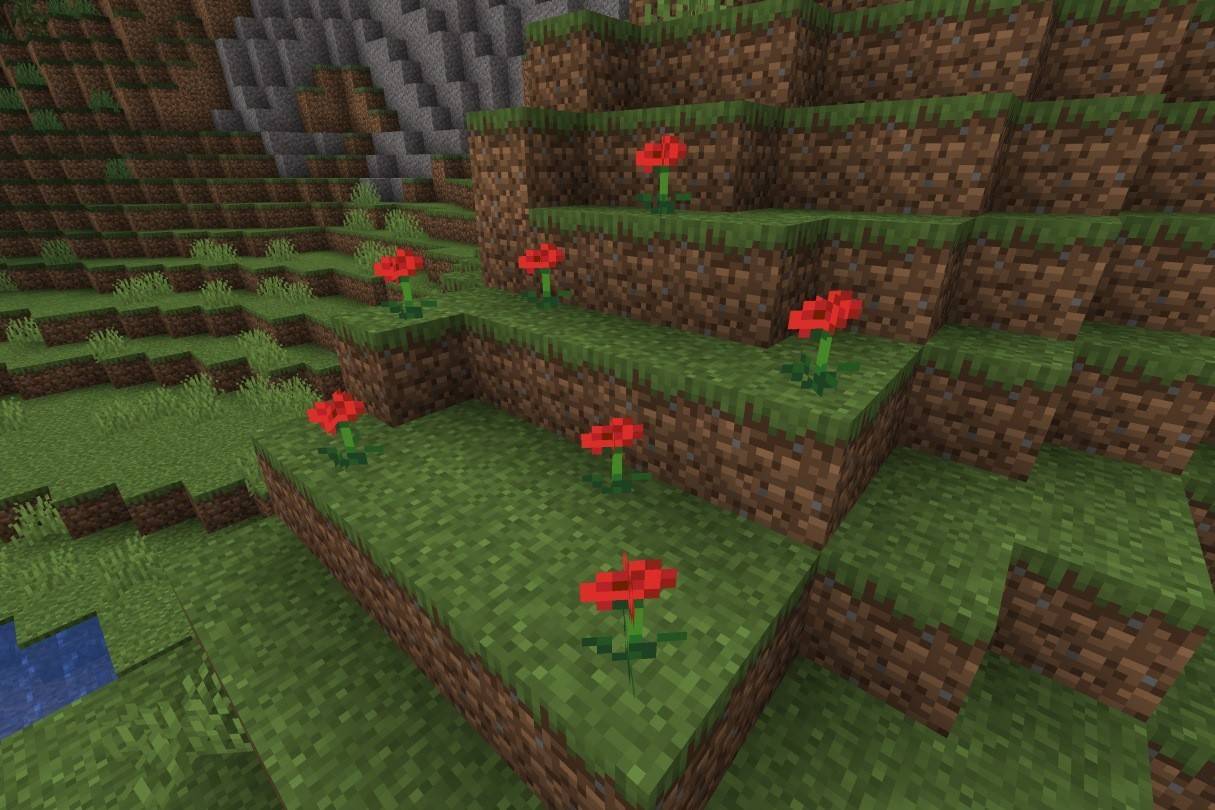 Image: ensigame.com
Replacing the original "rose" and cyan flowers, poppies are readily found in various biomes and even dropped by Iron Golems. Their primary function is crafting red dye, essential for coloring banners, beds, wool, sheep, and wolf collars.
Dandelion
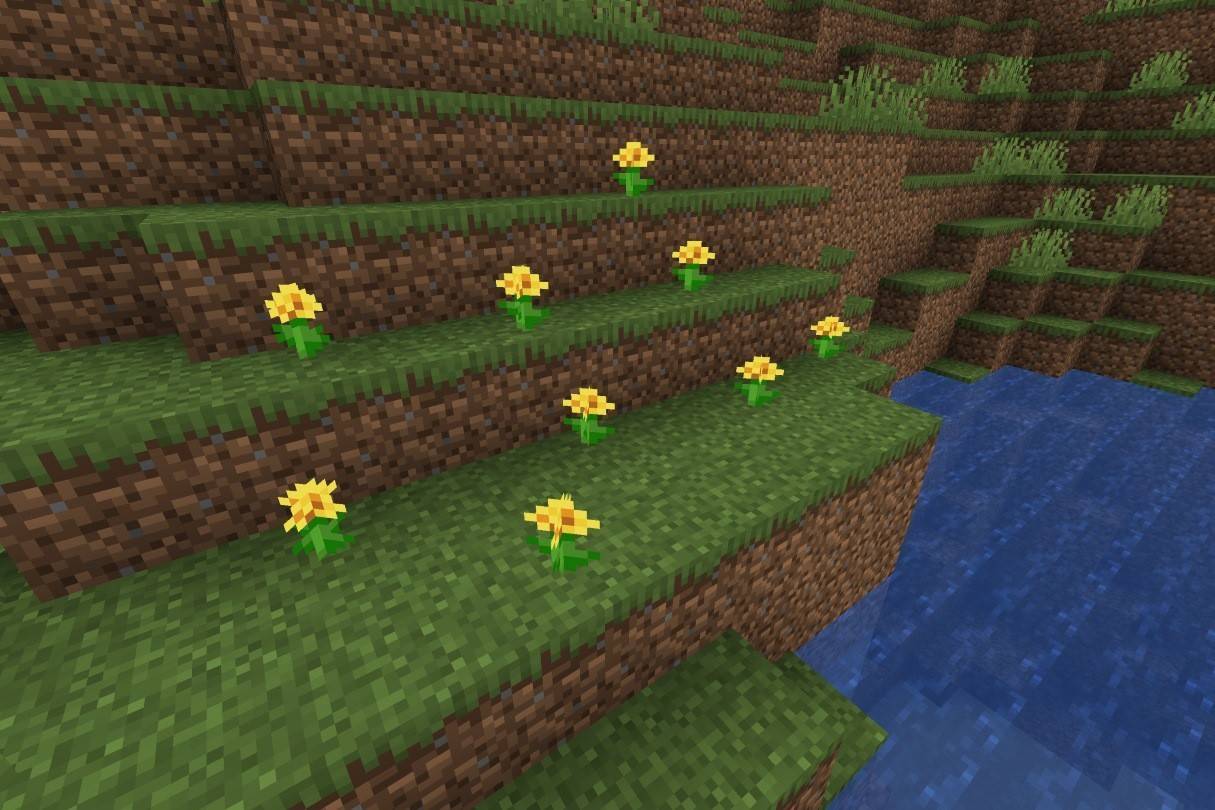 Image: ensigame.com
These bright yellow flowers, absent from marshes and ice plains, are a key source of yellow dye. While yielding one dye unit, sunflowers provide double the amount. Perfect for brightening banners and wool.
Allium
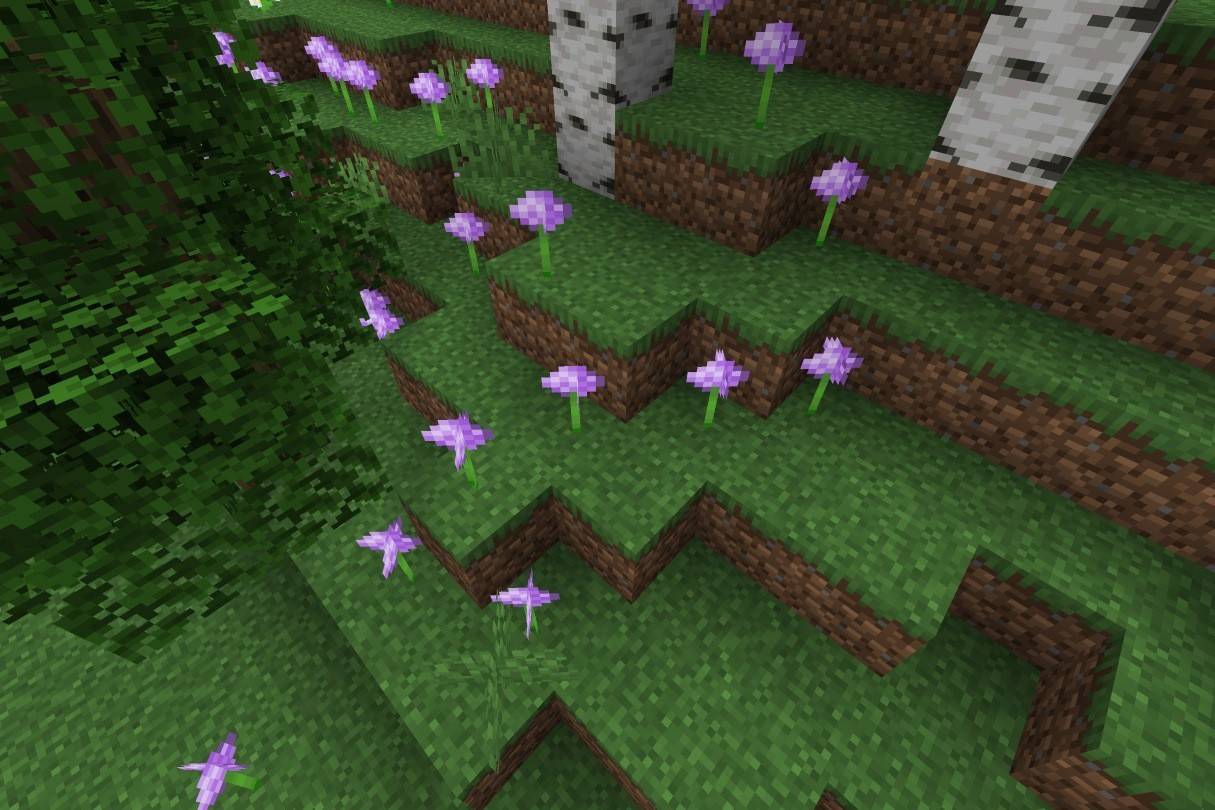 Image: ensigame.com
Found in flower forests, alliums produce magenta dye, crucial for coloring mobs and crafting blocks like magenta stained glass, terracotta, and wool.
Rose Bush
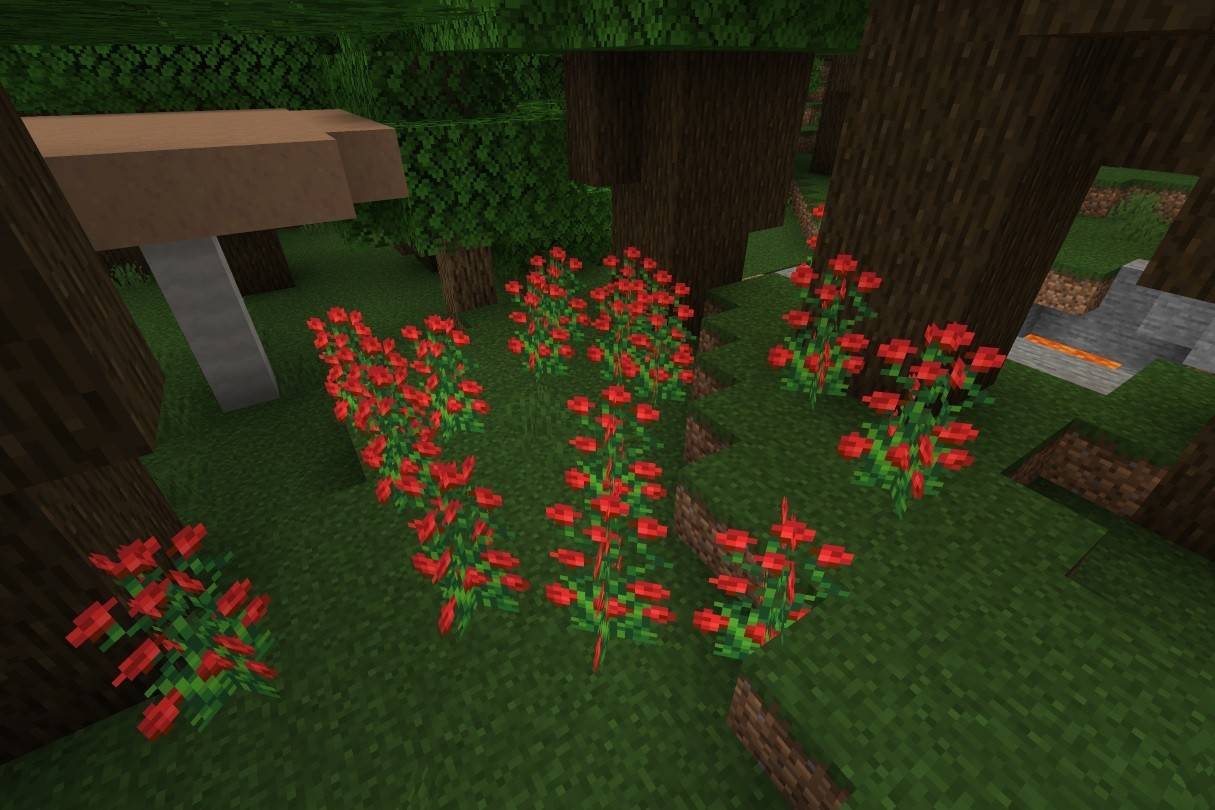 Image: ensigame.com
These tall, red-flowered plants, found in wooded biomes, yield red dye. Unlike the dangerous wither rose, rose bushes offer a safe and visually appealing addition to any landscape.
Wither Rose
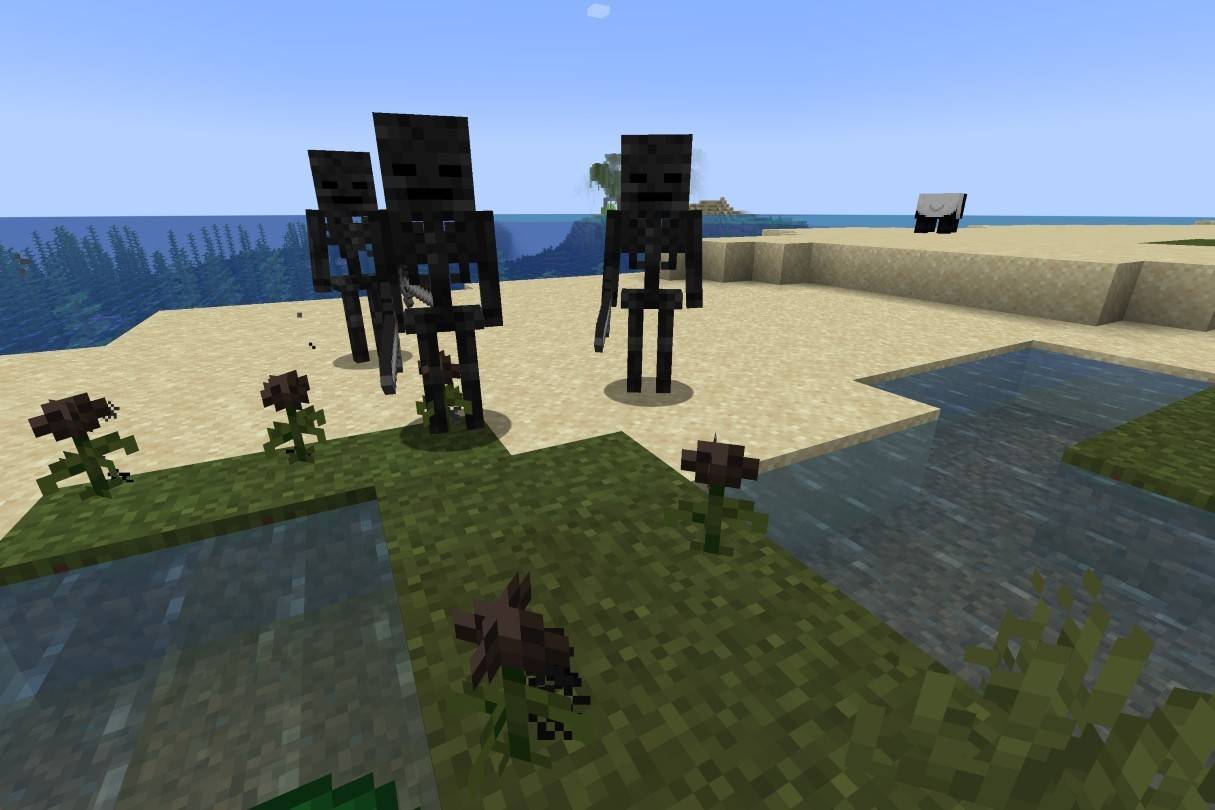 Image: ensigame.com
A rare and hazardous flower, the wither rose spawns from Wither kills or occasionally in the Nether. Contact inflicts the Wither effect, countered by milk. It's used to create black dye and firework stars.
Peony Bush
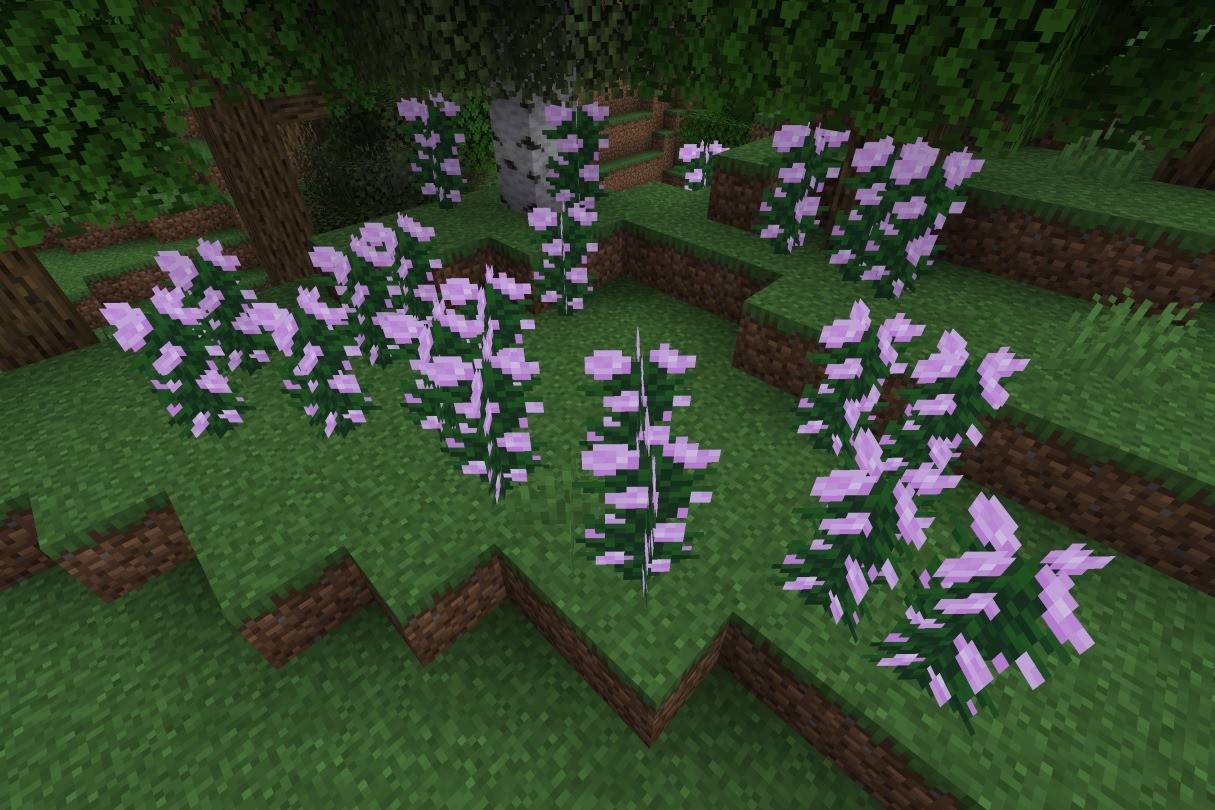 Image: ensigame.com
These tall pink flowers, thriving in woodlands, yield pink dye (also craftable from red and white dye). Bone meal allows for easy propagation.
Lily of the Valley
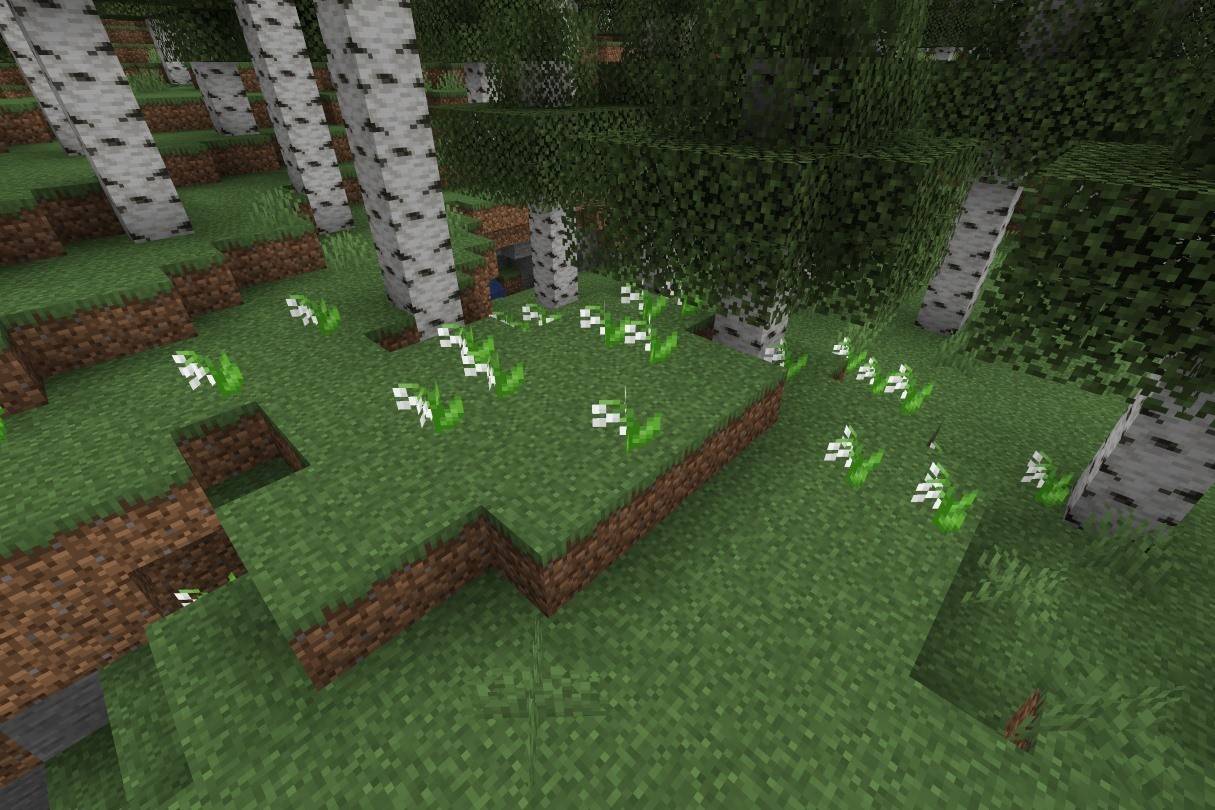 Image: ensigame.com
These delicate white flowers, found in forests, create white dye, a base for many other colors. Easily accessible in appropriate biomes.
Tulip
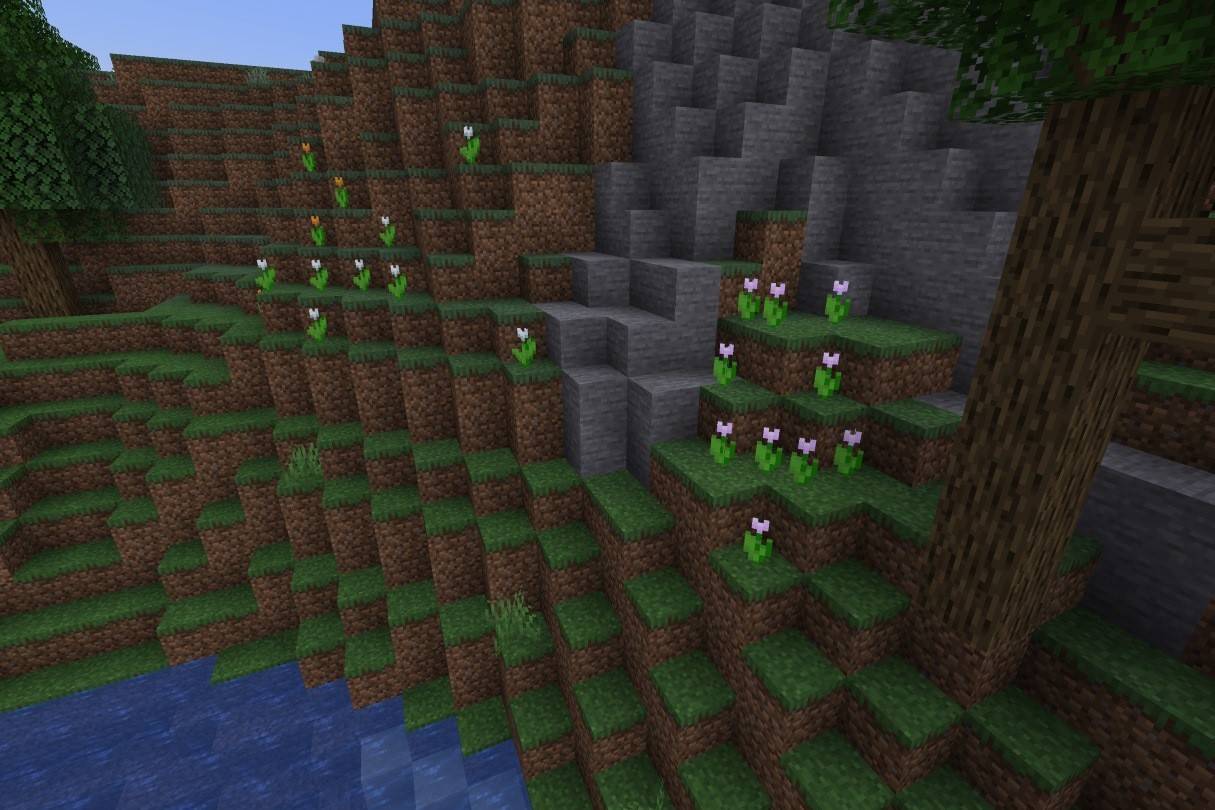 Image: ensigame.com
Available in red, orange, white, and pink, tulips offer diverse dyeing options, depending on their color.
Azure Bluet
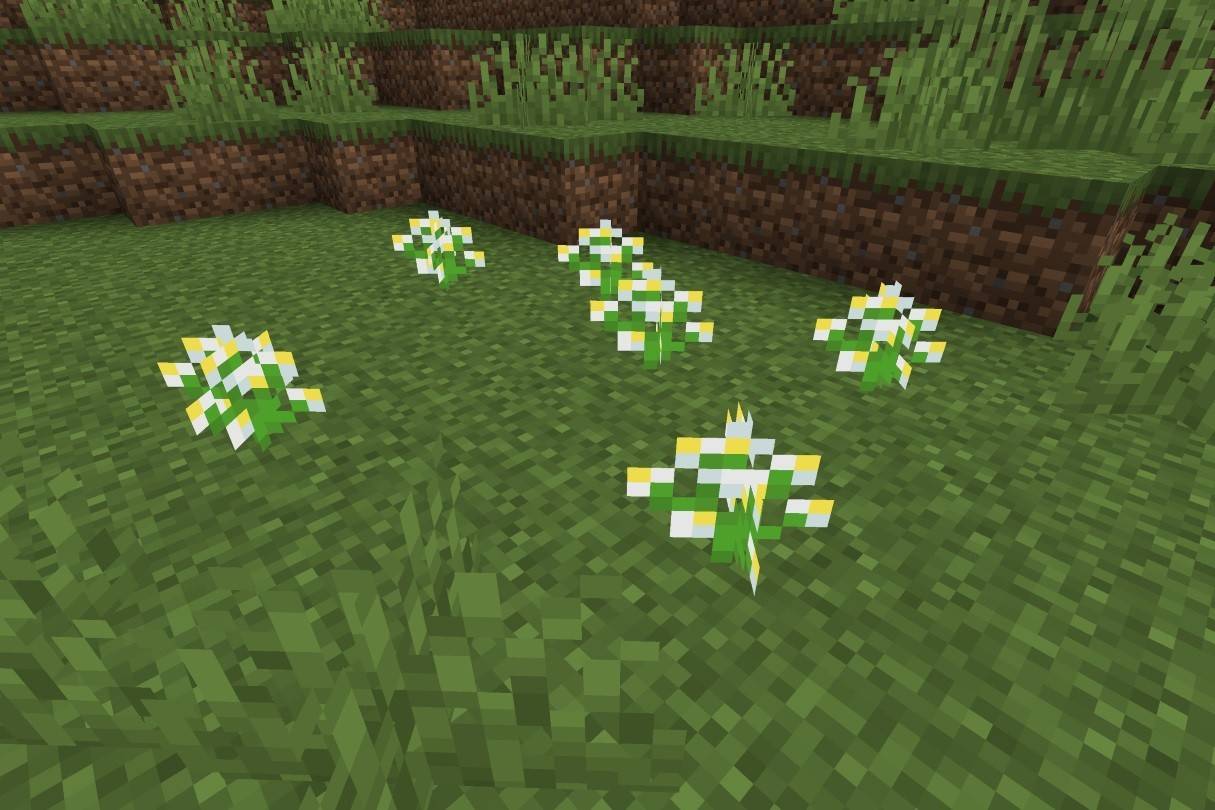 Image: ensigame.com
This small flower creates light gray dye, also obtainable by combining bone meal and gray dye.
Blue Orchid
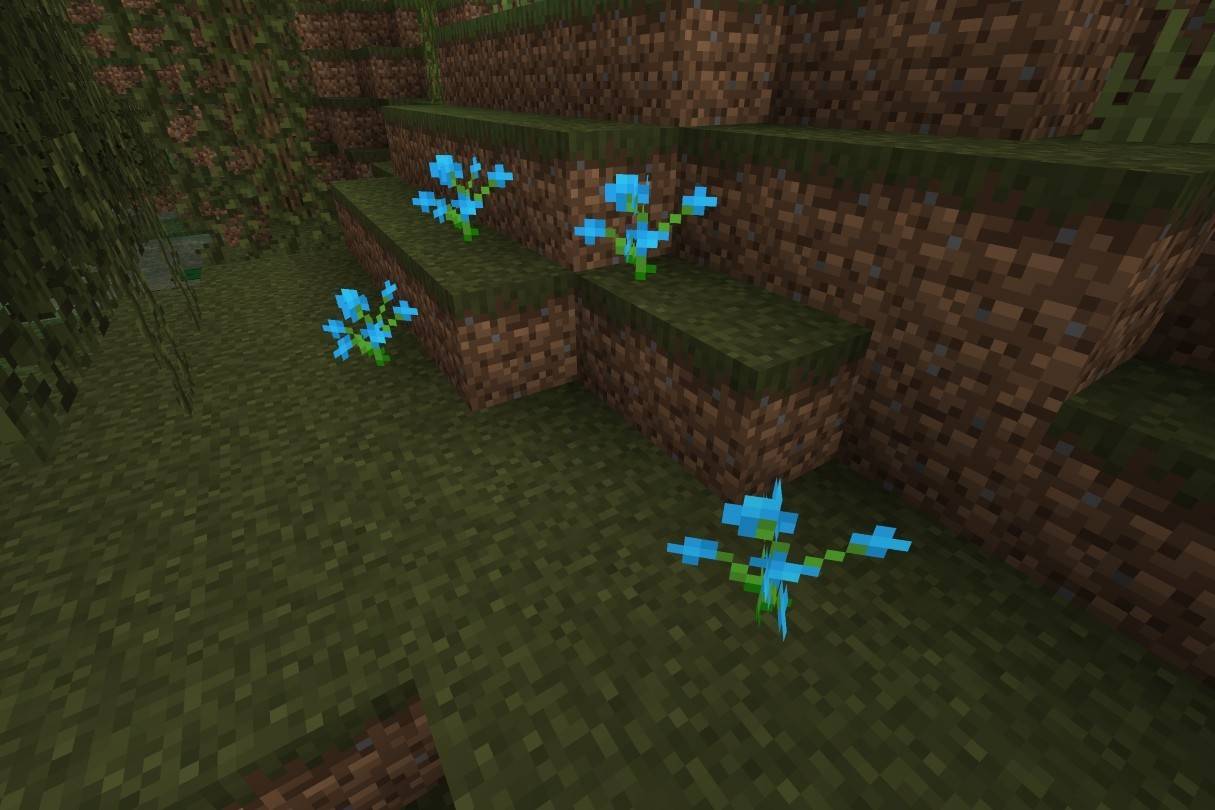 Image: ensigame.com
A rare find in swamps and taigas, the blue orchid is a source of light blue dye.
Cornflower
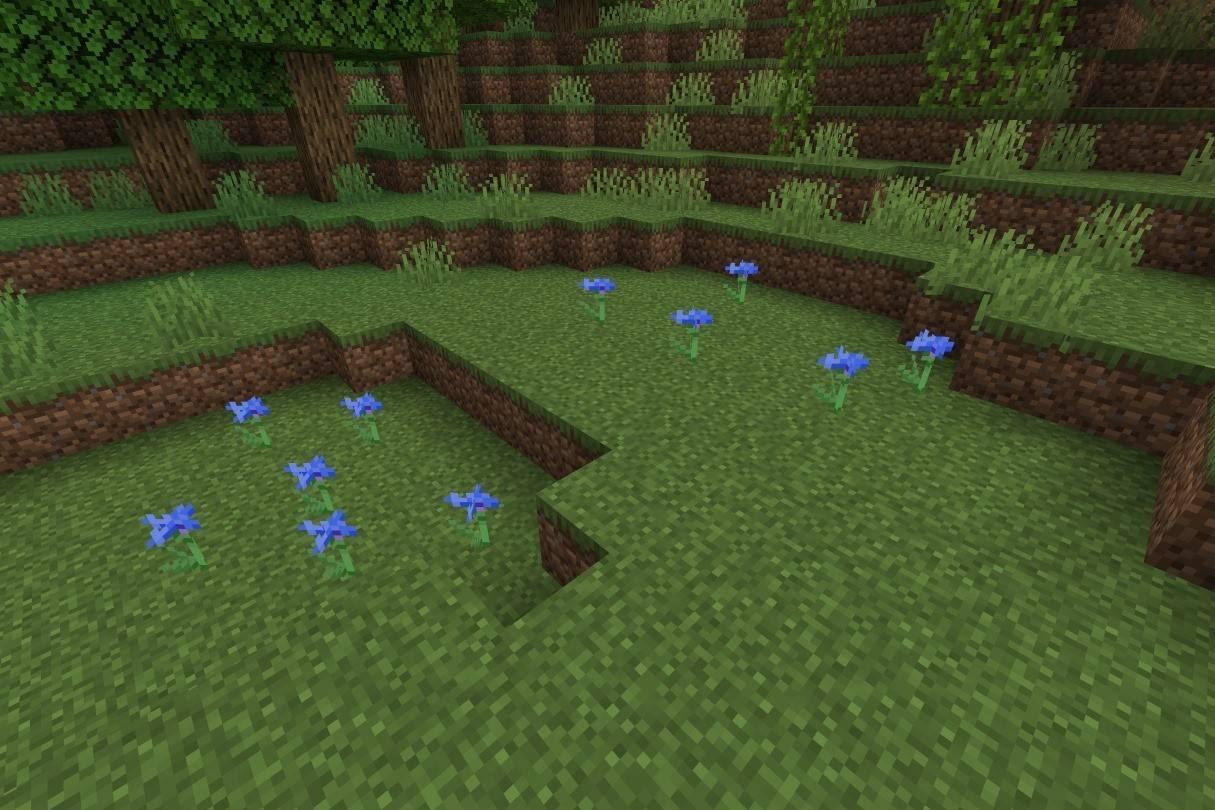 Image: ensigame.com
These blue flowers yield blue dye, perfect for coloring wool, glass, and terracotta.
Torchflower
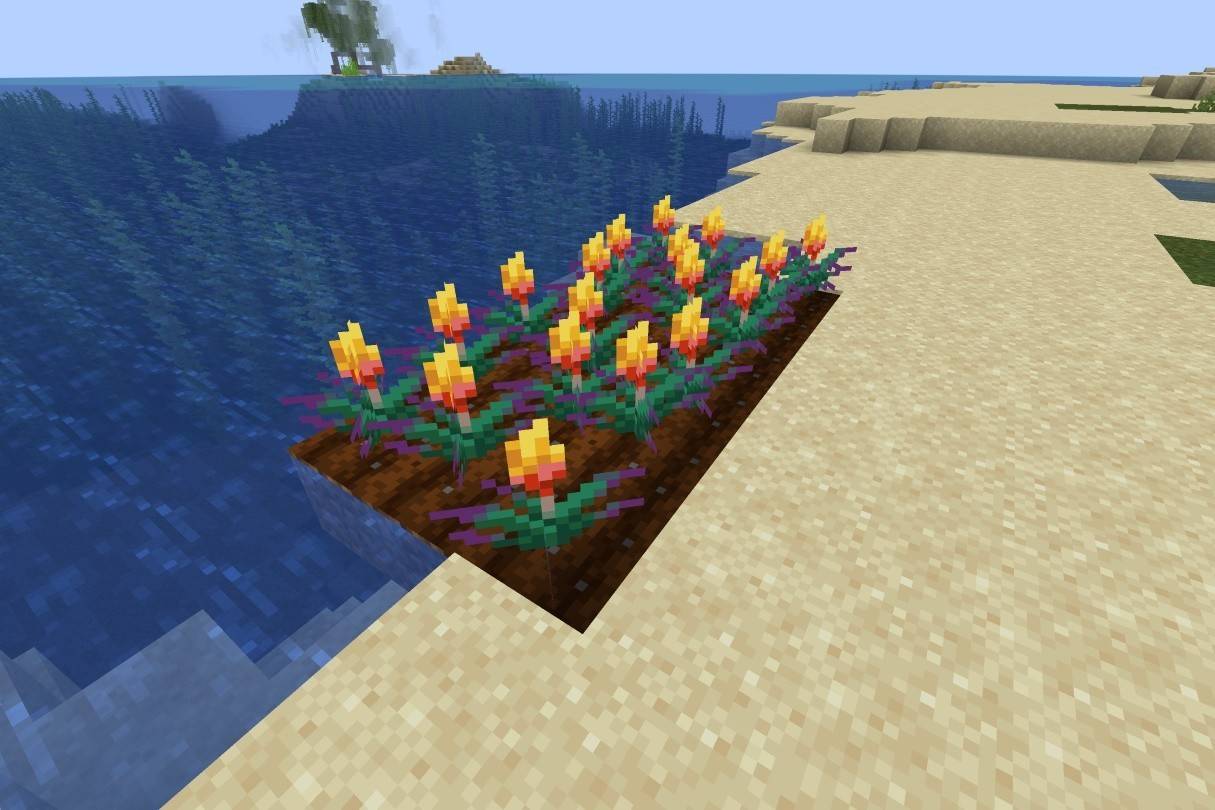 Image: ensigame.com
Producing orange dye, the torchflower is not naturally generated and cannot be spread with bone meal in Bedrock Edition.
Lilac
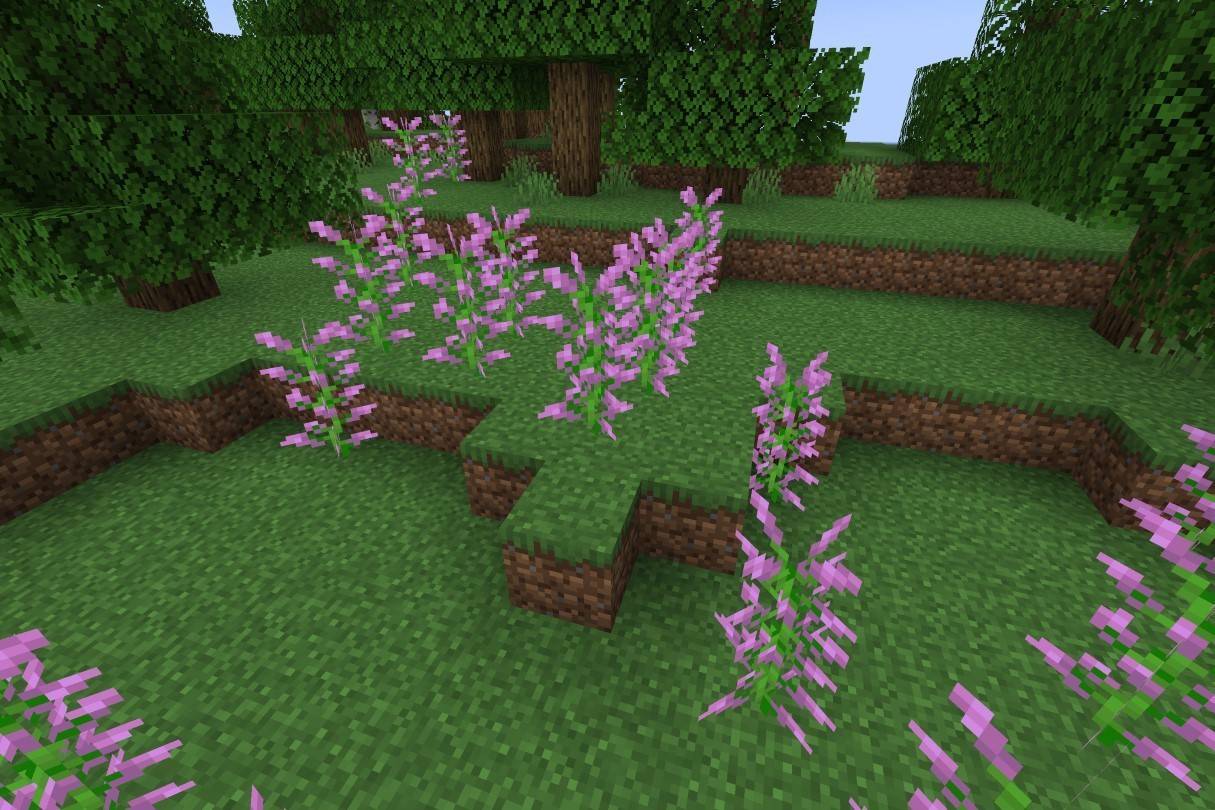 Image: ensigame.com
These tall, light-purple flowers create magenta dye.
Oxeye Daisy
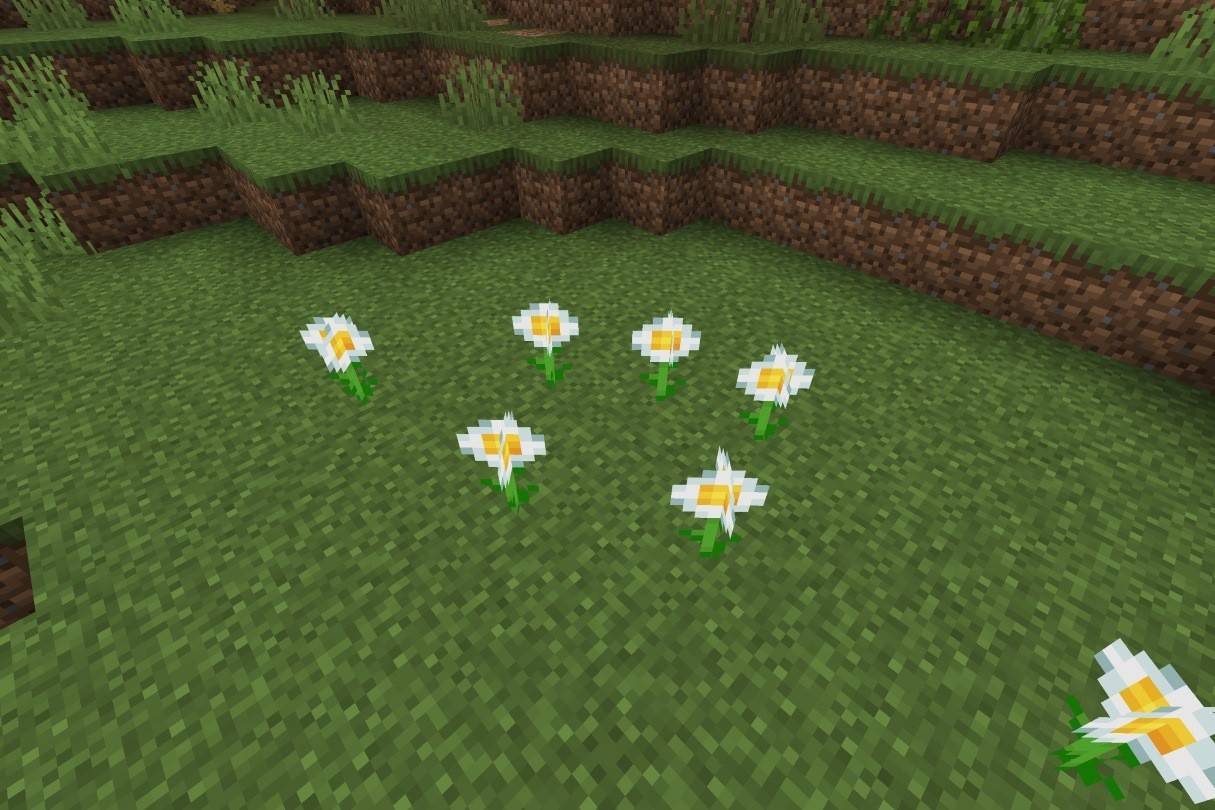 Image: ensigame.com
The oxeye daisy produces light gray dye and is also useful for decorative purposes.
Sunflower
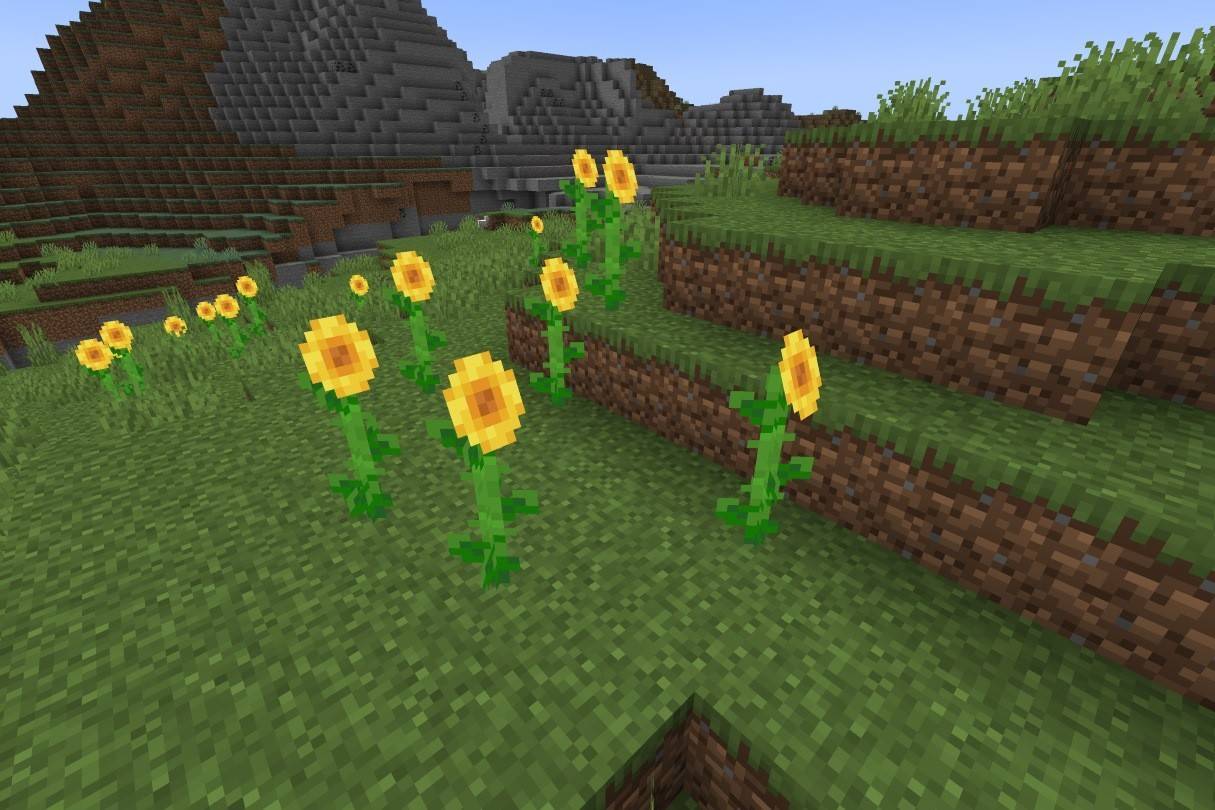 Image: ensigame.com
Found in sunflower plains, sunflowers yield yellow dye and are notable for their east-facing orientation.
Harness the potential of Minecraft's floral resources for crafting and creative building.
 Latest Downloads
 Downlaod



 Top News