
Building a gaming PC? Your most crucial decision is the graphics card. AMD offers excellent value, especially if you're not keen on paying extra for flashy features. All current-gen AMD cards support ray tracing and FidelityFX Super Resolution (FSR), an upscaling technology widely supported in PC games. While more powerful options exist, AMD cards like the Radeon RX 9070 XT deliver impressive 4K performance without the exorbitant price tags. For 1440p gaming, AMD shines, offering exceptional performance per dollar.
Got questions? Our Discord server is the place to be!
Top AMD Graphics Cards

Sapphire Pulse Radeon RX 7900 XTX: Best 4K AMD Card
See it at Amazon!

AMD Radeon RX 9070 XT: Best Overall AMD Card (For Most)
See it at Newegg!

AMD Radeon RX 9070: Best AMD Card for 1440p
See it at Newegg!

Gigabyte Radeon RX 7600 XT Gaming OC Windforce: Best AMD Card for 1080p
See it at Amazon!

XFX Speedster SWFT Radeon RX 6600: Best Budget AMD Card
See it at Amazon!
AMD's architecture powers the PlayStation 5 and Xbox Series X, potentially aiding PC game optimization. However, choosing the best AMD GPU depends on your desired resolution and budget.
Graphics Card Basics
AMD graphics cards use a new naming convention. Cards starting with '9' are current-gen, followed by '7' and '6' for previous generations. "XT" or "XTX" denote incremental performance boosts within a generation. Older three-digit models (e.g., RX 580) are outdated unless extremely cheap.
Higher numbers generally mean better performance. Key specs include VRAM (more is better, especially at higher resolutions), compute units (more equals more processing power), and RT Cores (for ray tracing). Ensure your PC case and power supply are compatible before purchasing.
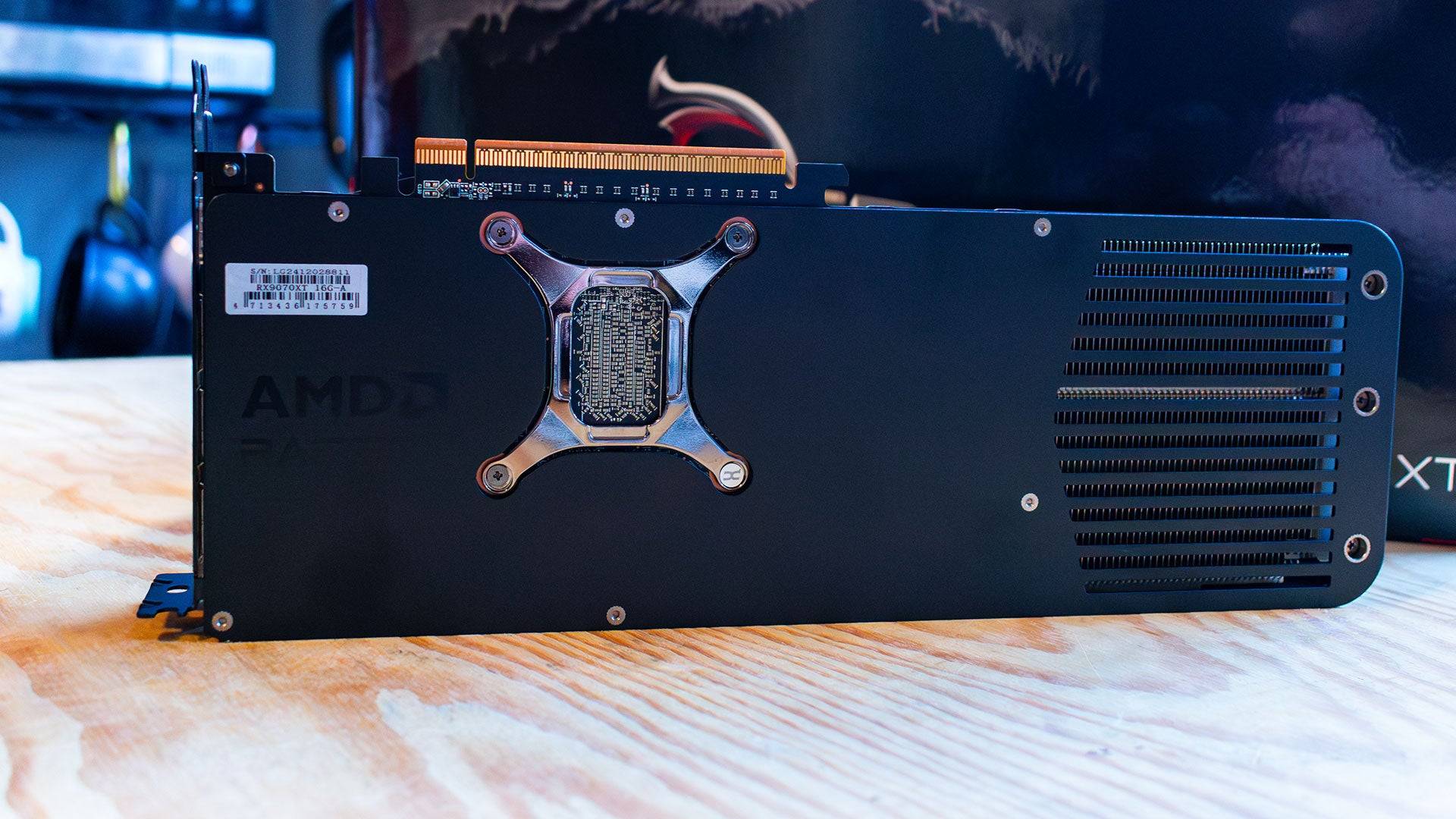
AMD Radeon RX 9070 XT
This card offers excellent 4K performance at a competitive price. It boasts impressive performance, even surpassing the more expensive RTX 5070 Ti in some benchmarks. FSR 4 provides improved image quality, though with a slight performance trade-off compared to FSR 3.1.
Product Specifications: Streaming Multiprocessors: 4096; Base Clock: 1660 MHz; Game Clock: 2400 MHz; Video Memory: 16GB GDDR6; Memory Bandwidth: 644.6 GB/s; Memory Bus: 256-bit; Power Connectors: 2 x 8-pin
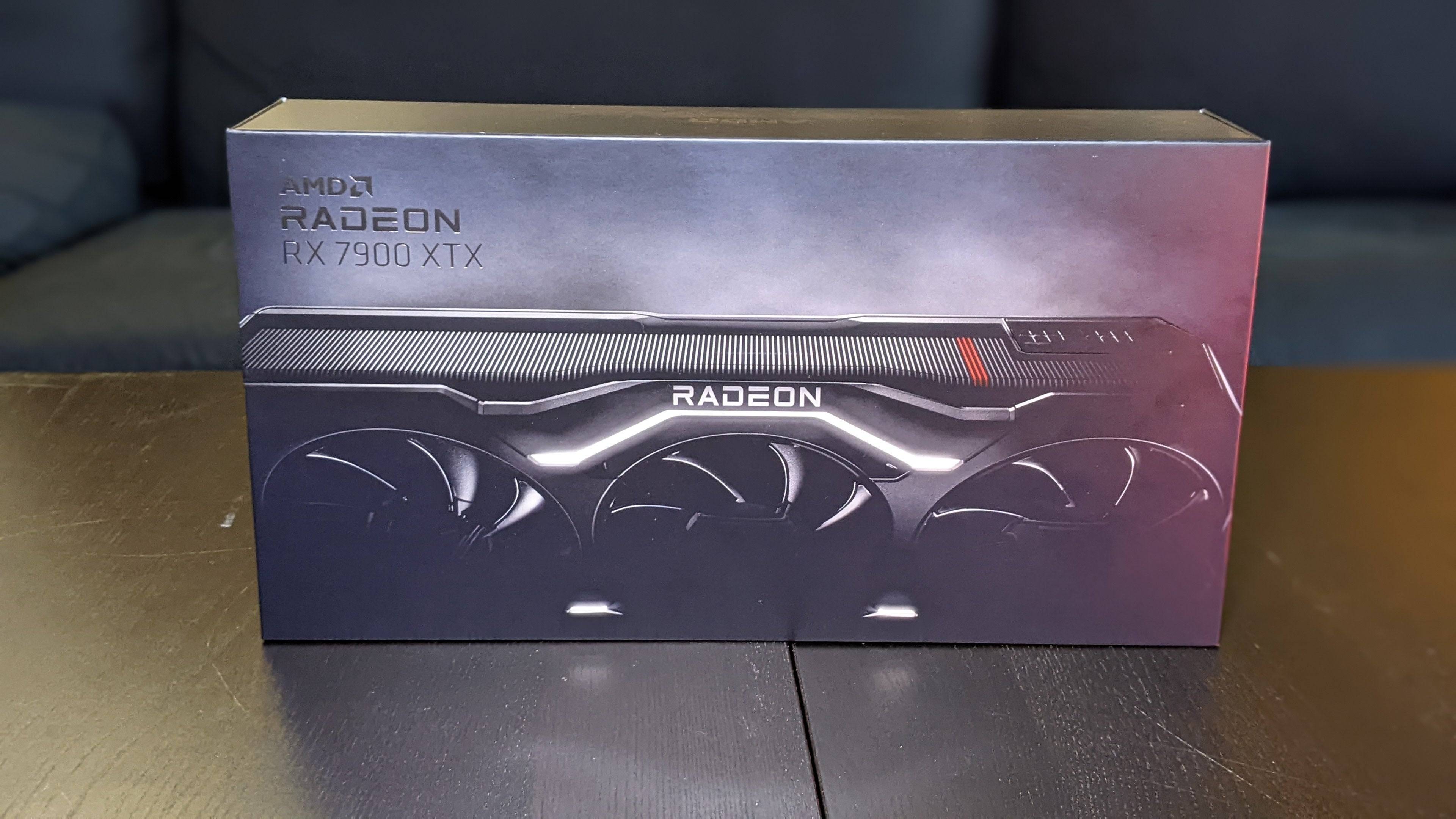
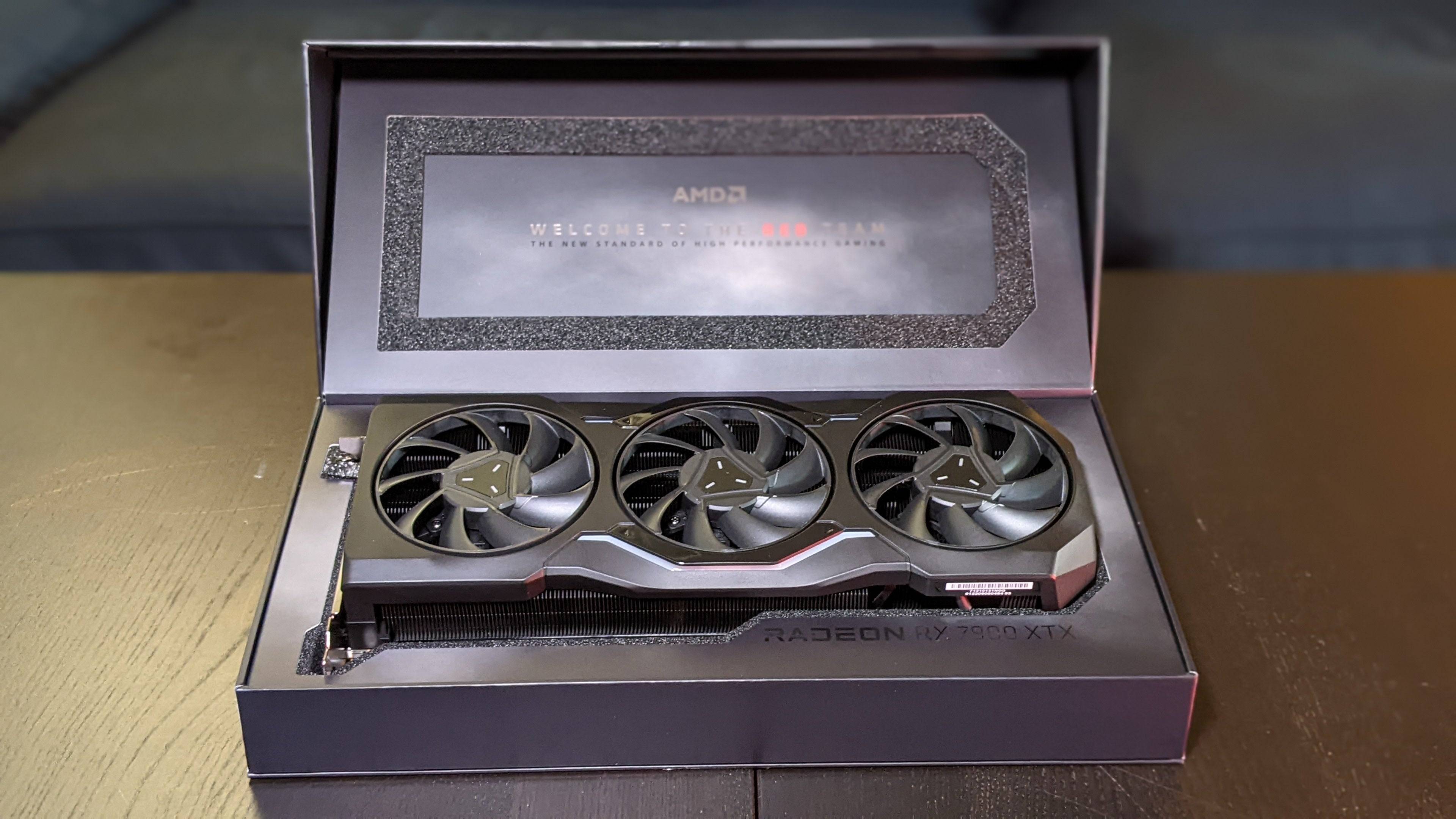
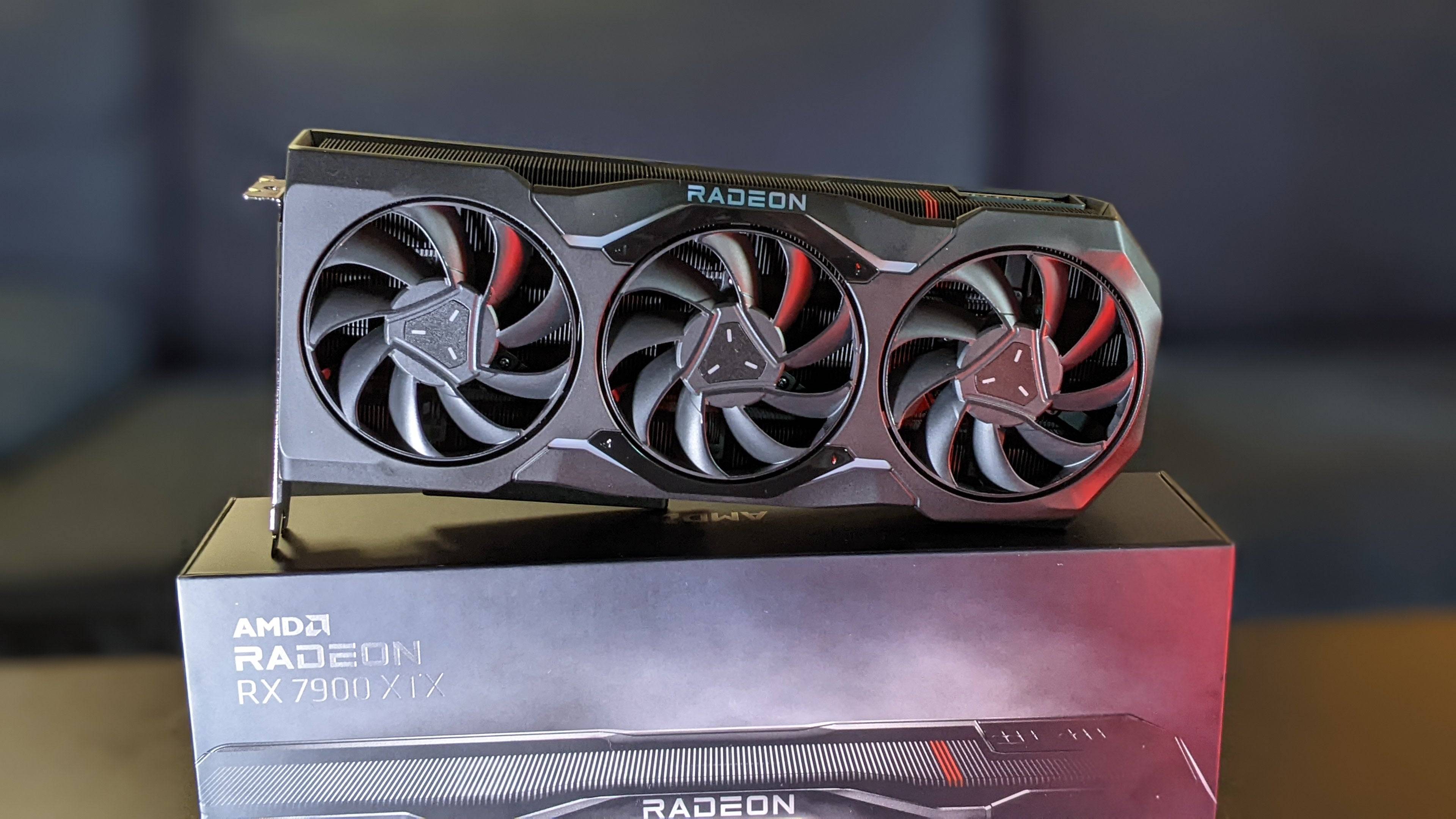
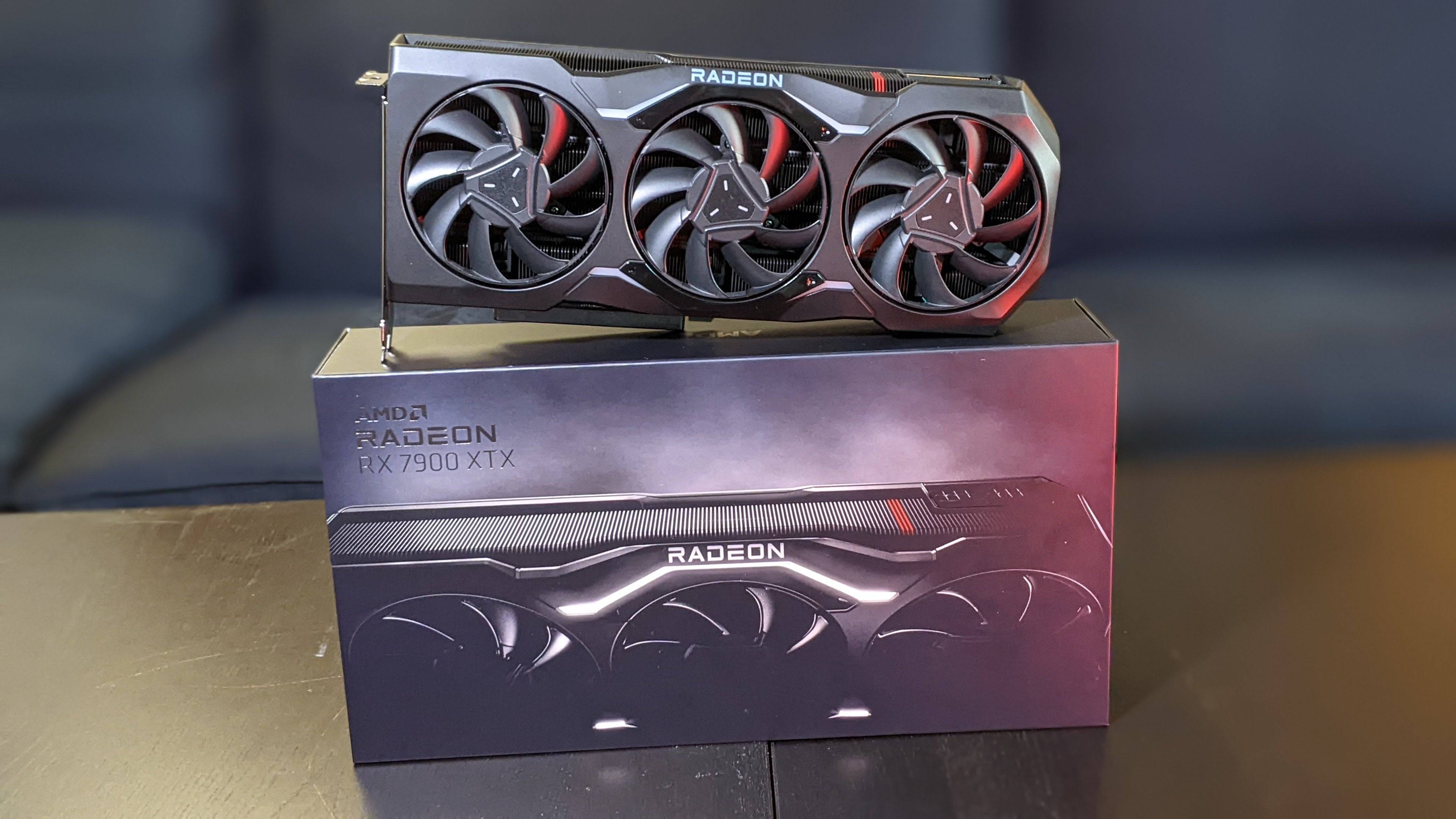
AMD Radeon RX 7900 XTX
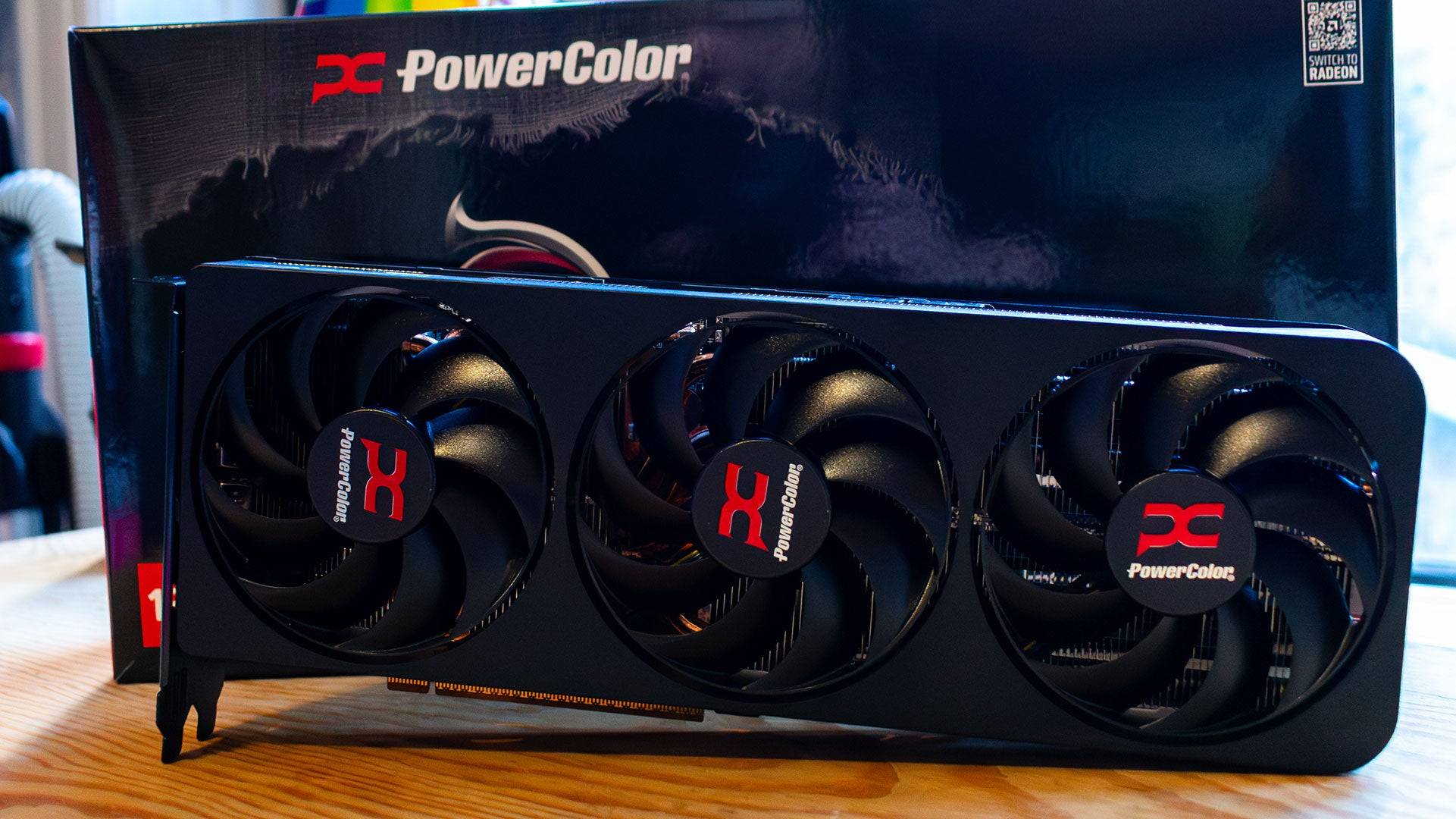
For top-tier 4K gaming, the RX 7900 XTX delivers exceptional performance, often matching or exceeding the more expensive RTX 4080, particularly in non-ray tracing scenarios. Its 24GB VRAM handles high-resolution textures effectively.
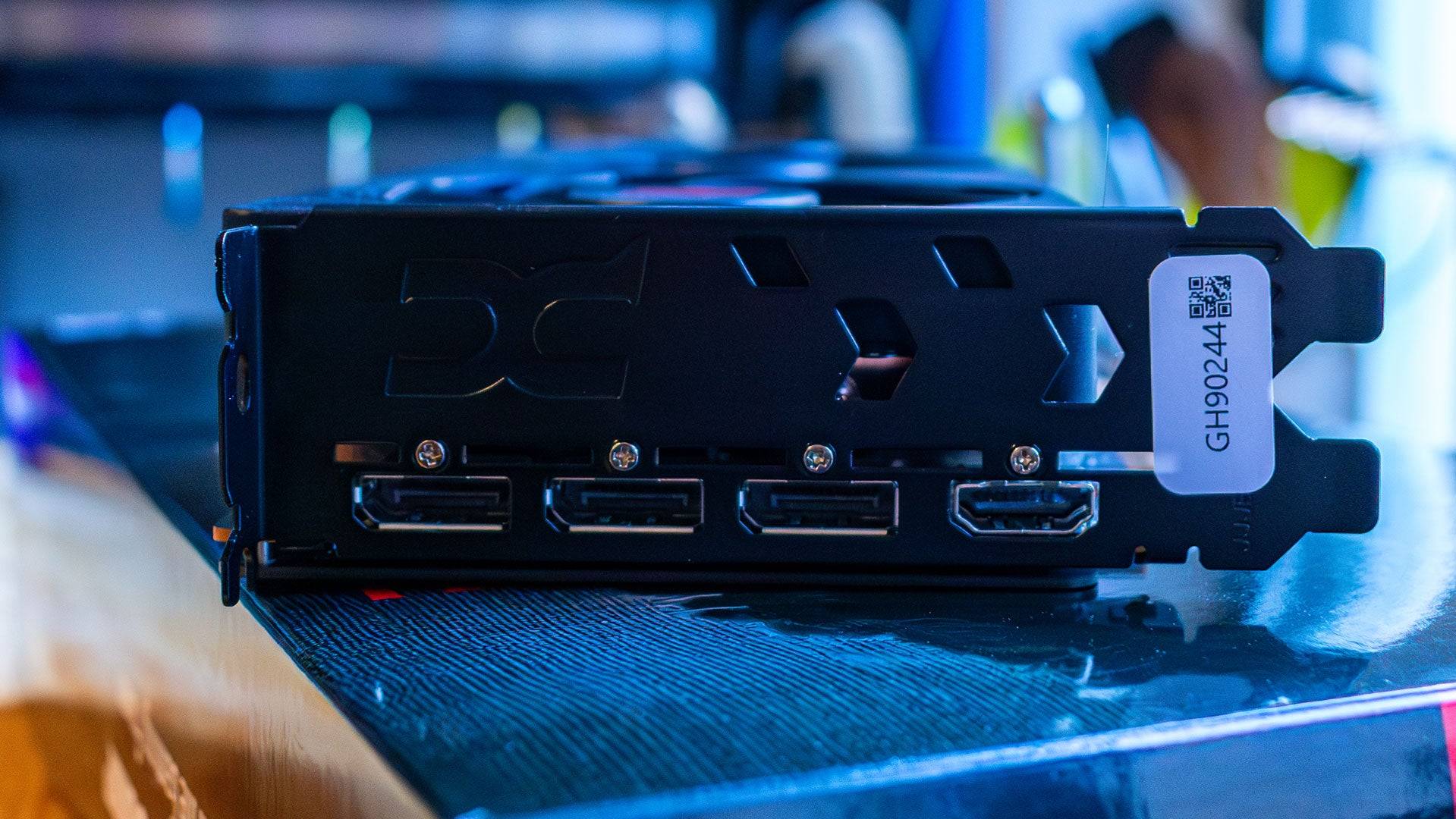
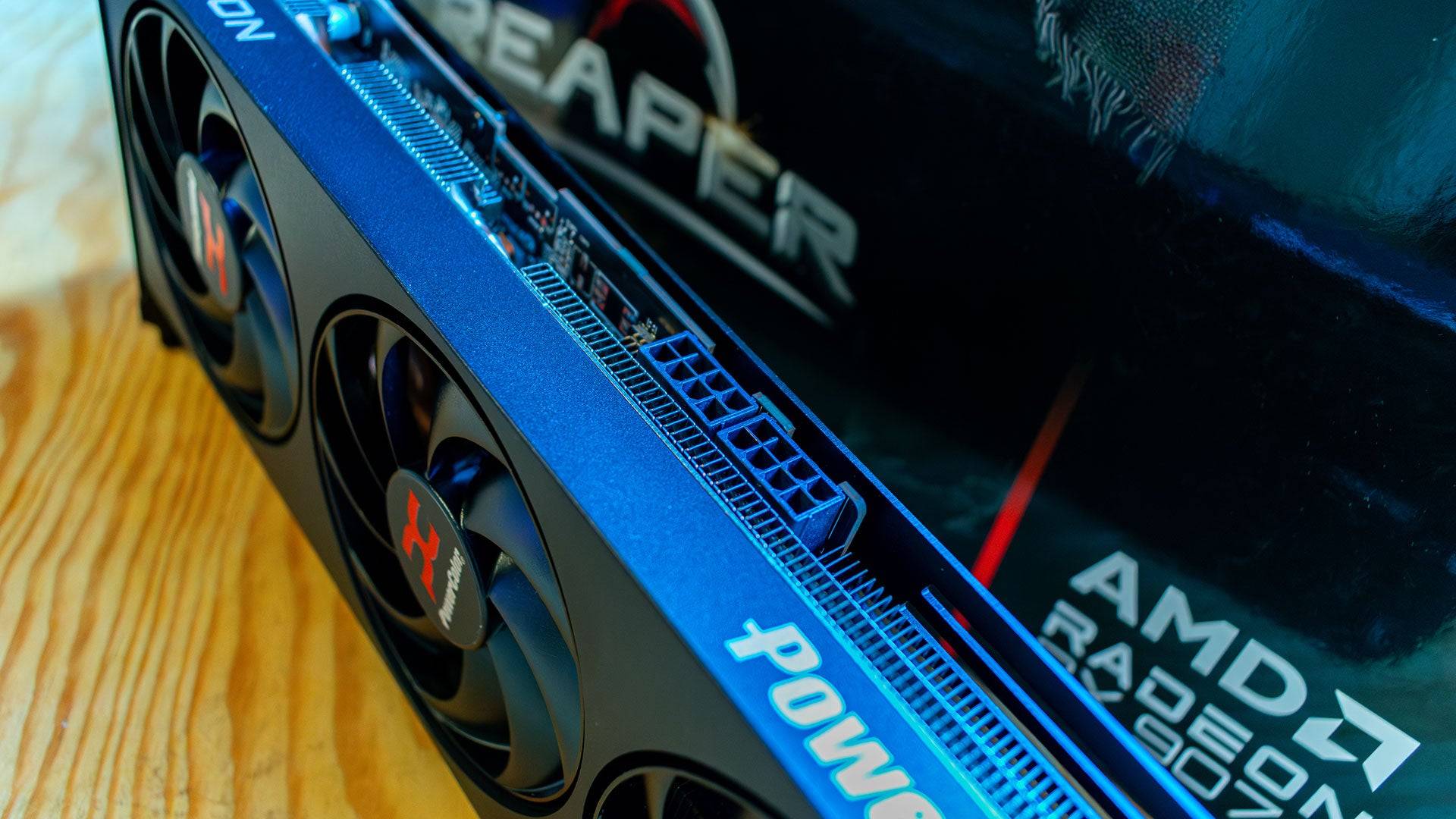
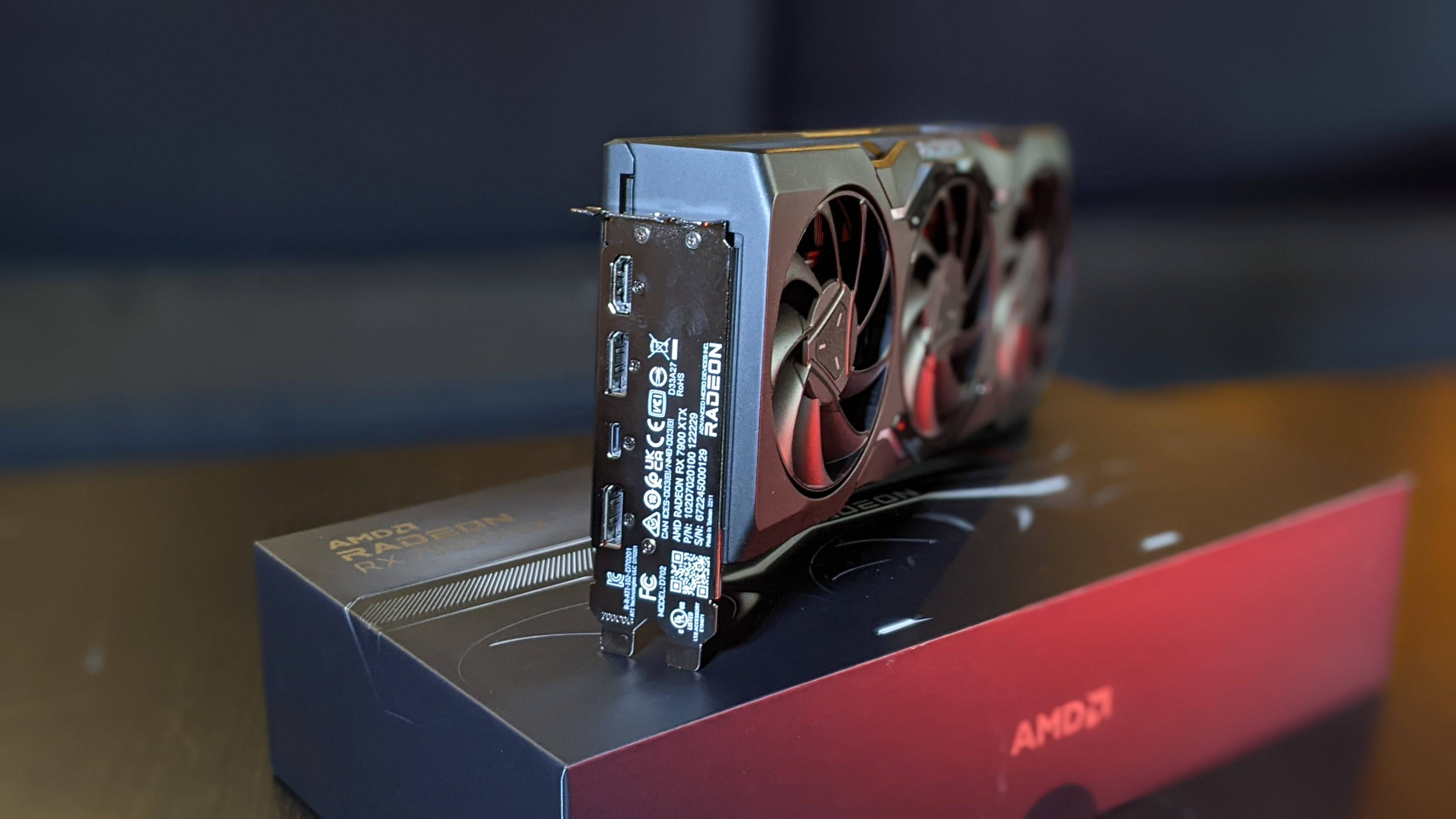
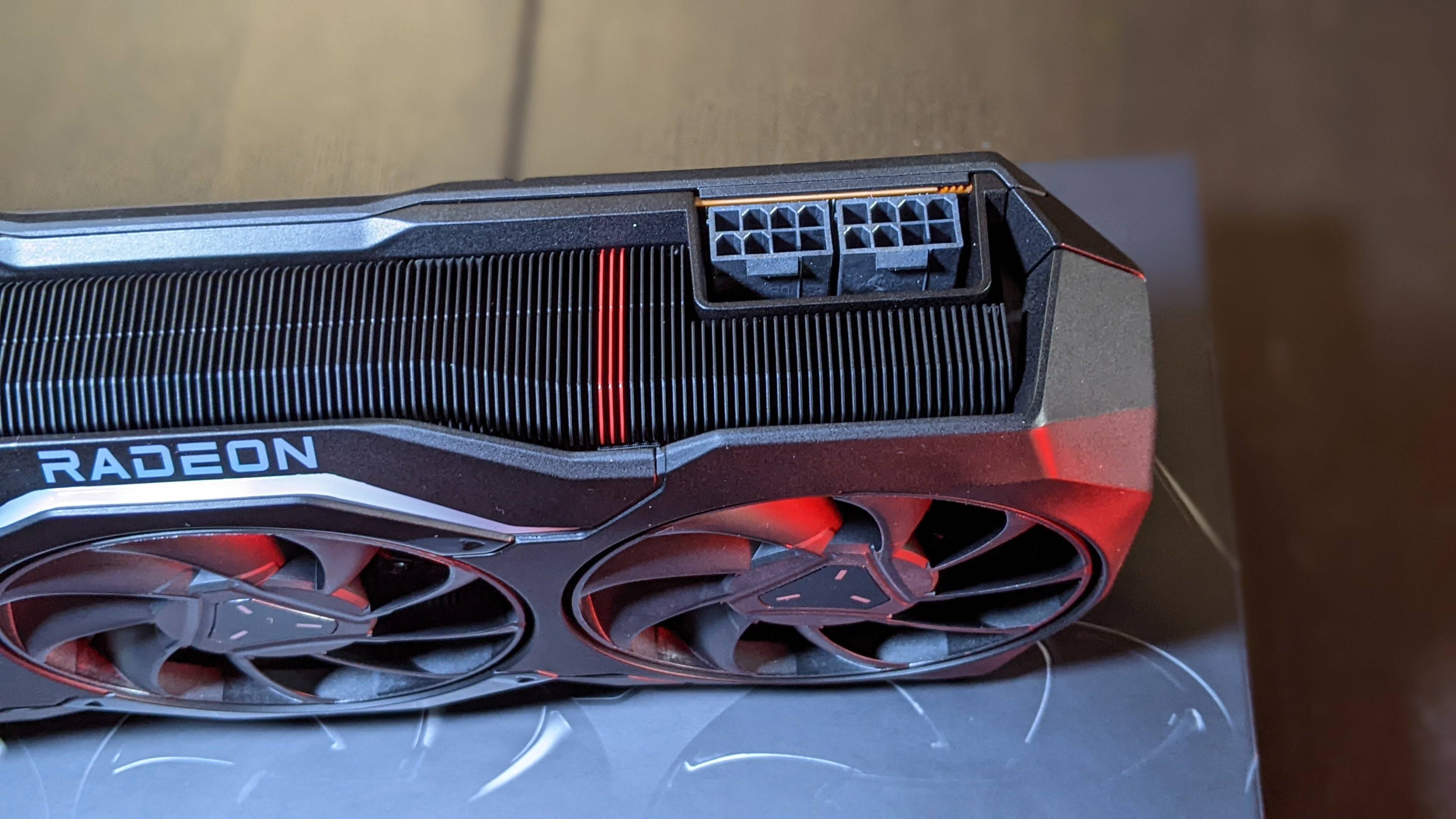
Product Specifications: Streaming Multiprocessors: 6144; Base Clock: 1929MHz; Game Clock: 2365MHz; Video Memory: 24GB; Memory Bandwidth: 960 GB/s; Memory Bus: 384-bit; Power Connectors: 2 x 8-pin; Outputs: 1 x HDMI 2.1a, 2 x DisplayPort 2.1, 1 x USB-C
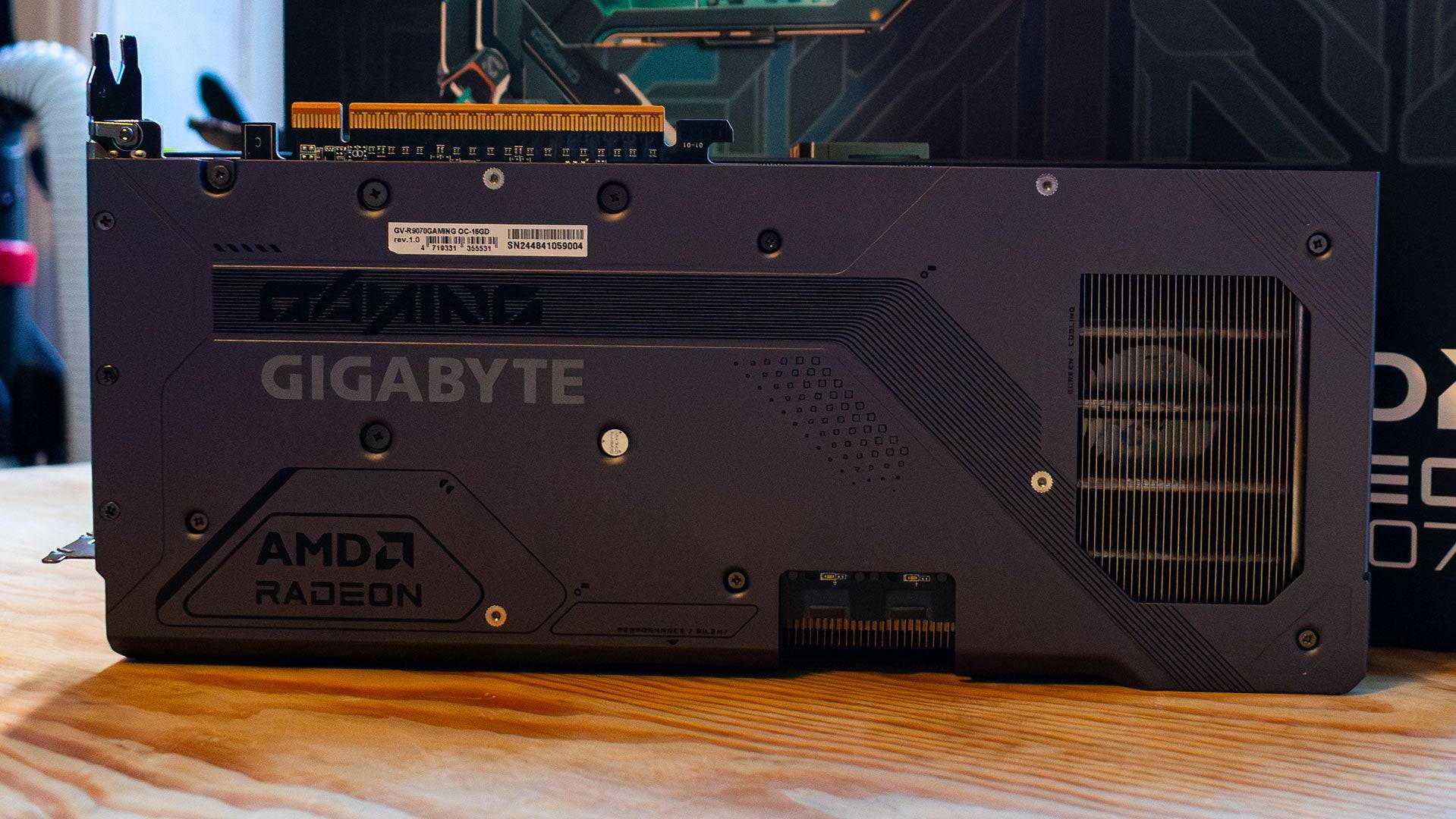
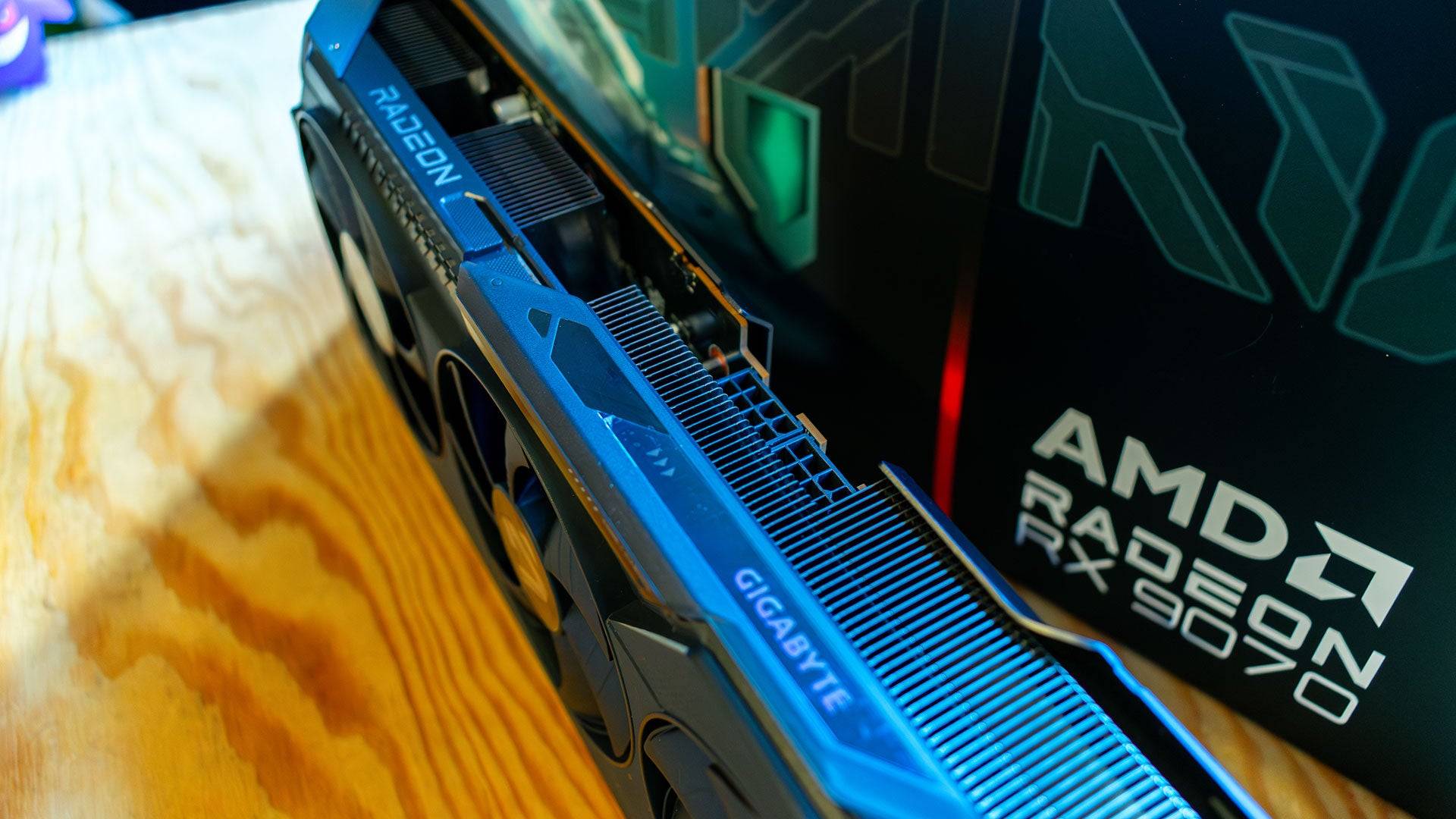
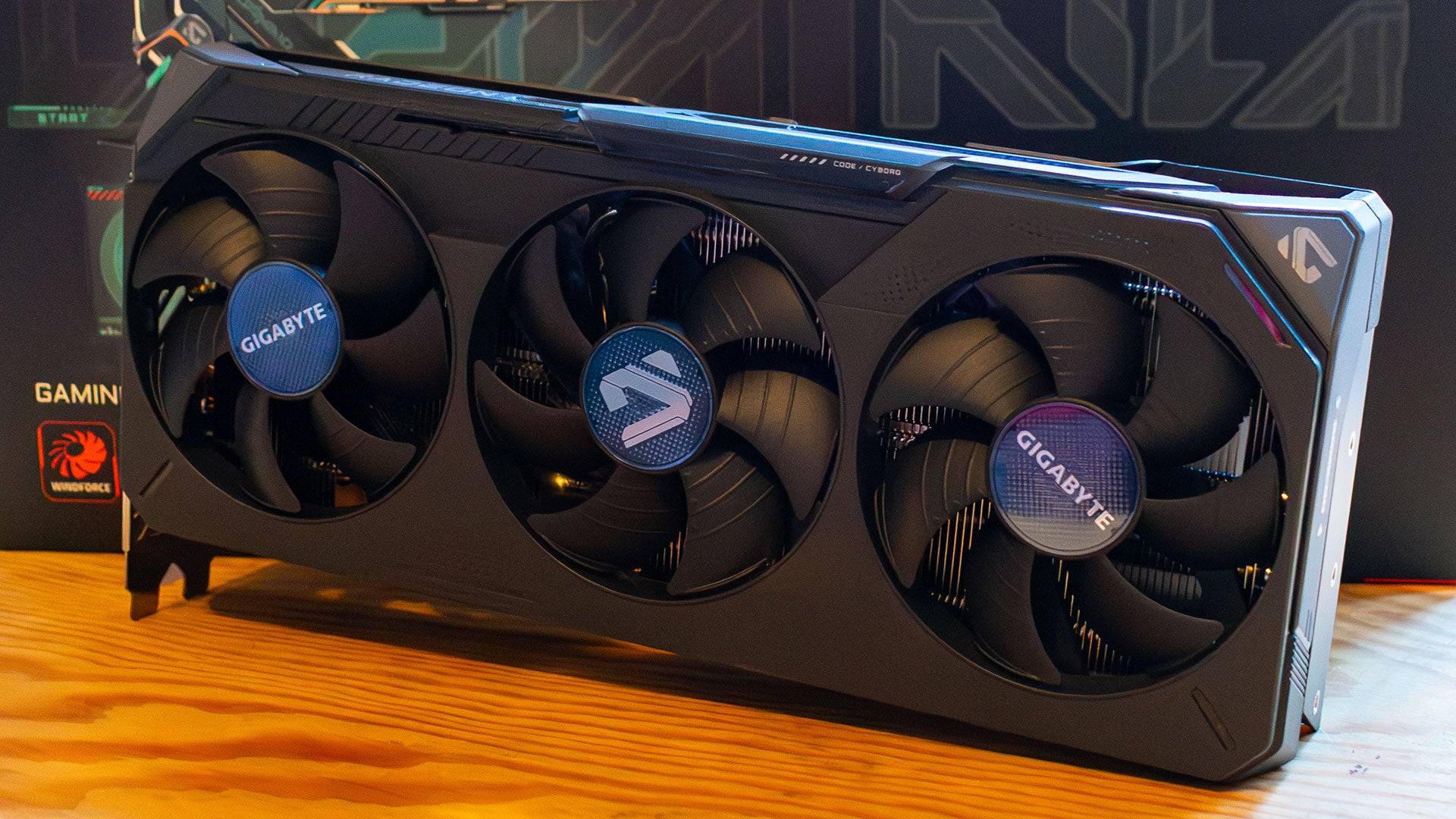
AMD Radeon RX 9070
While close in price to the 9070 XT, the RX 9070 excels at 1440p gaming, delivering high frame rates and benefiting from FSR 4's improved image quality.
Product Specifications: Streaming Multiprocessors: 3584; Base Clock: 1330 MHz; Game Clock: 2520 MHz; Video Memory: 16GB GDDR6; Memory Bandwidth: 644.6 GB/s; Memory Bus: 256-bit; Power Connectors: 2 x 8-pin
AMD Radeon RX 7600 XT
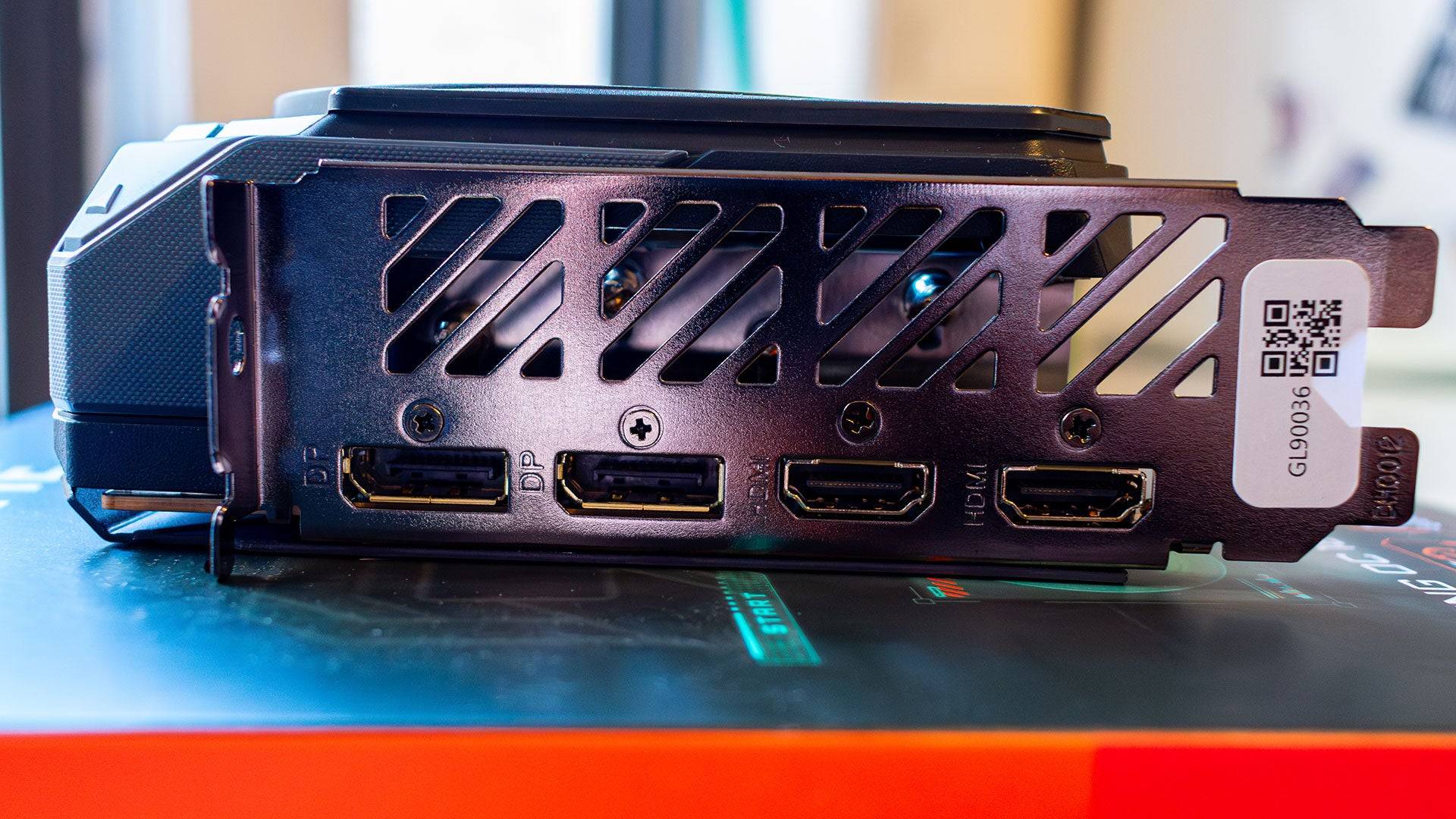
A budget-friendly option perfect for 1080p gaming. Its 16GB VRAM ensures future-proofing. While ray tracing performance might be limited in demanding titles, it delivers impressive frame rates in most games.
Product Specifications: Streaming Multiprocessors: 2048; Base Clock: 1980 MHz; Game Clock: 2470 MHz; Video Memory: 16GB GDDR6; Memory Bandwidth: 288 GB/s; Memory Bus: 128-bit; Power Connectors: 1 x 8-pin; Outputs: 1 x HDMI 2.1a, 3 x DisplayPort 2.1
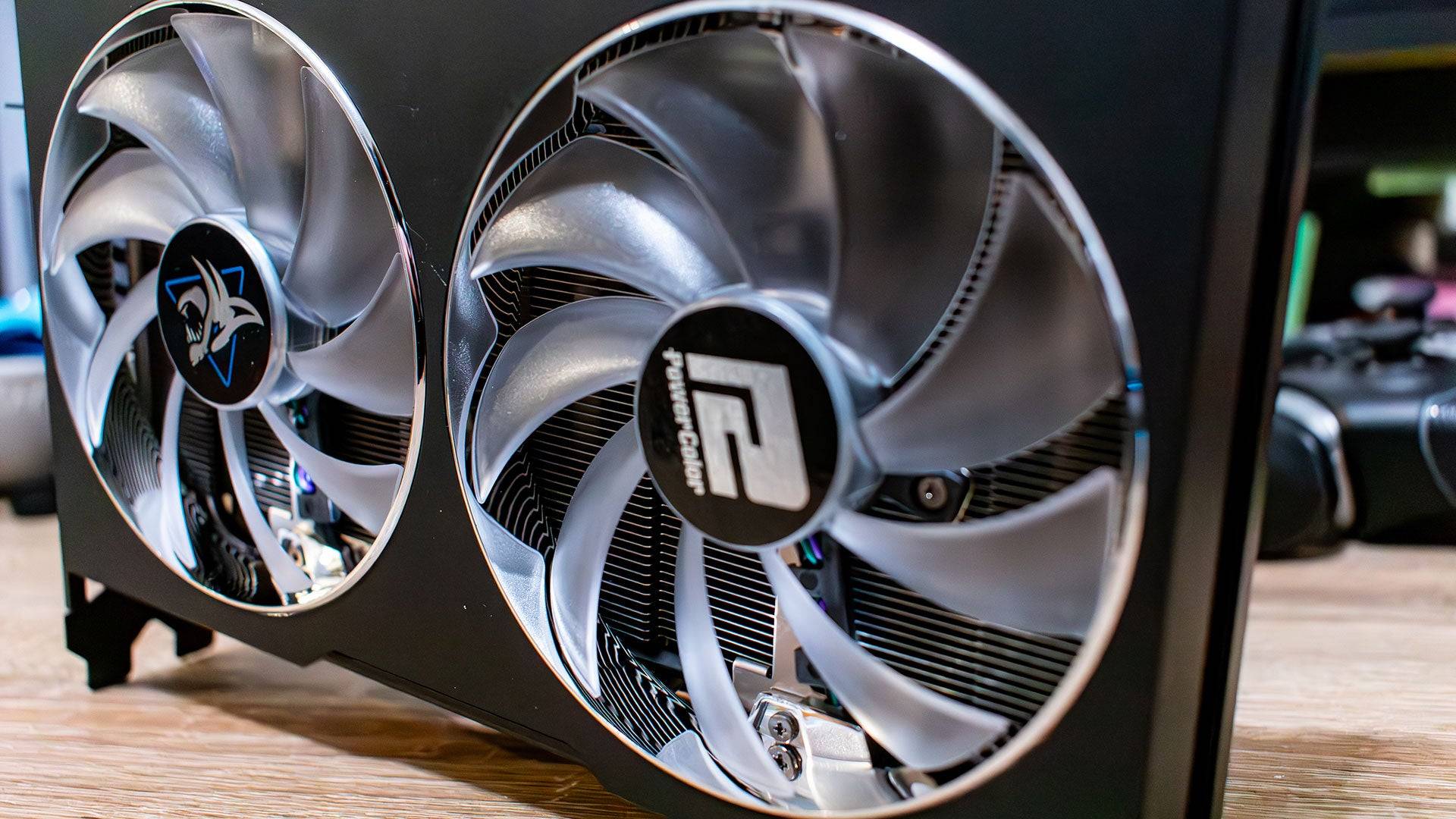
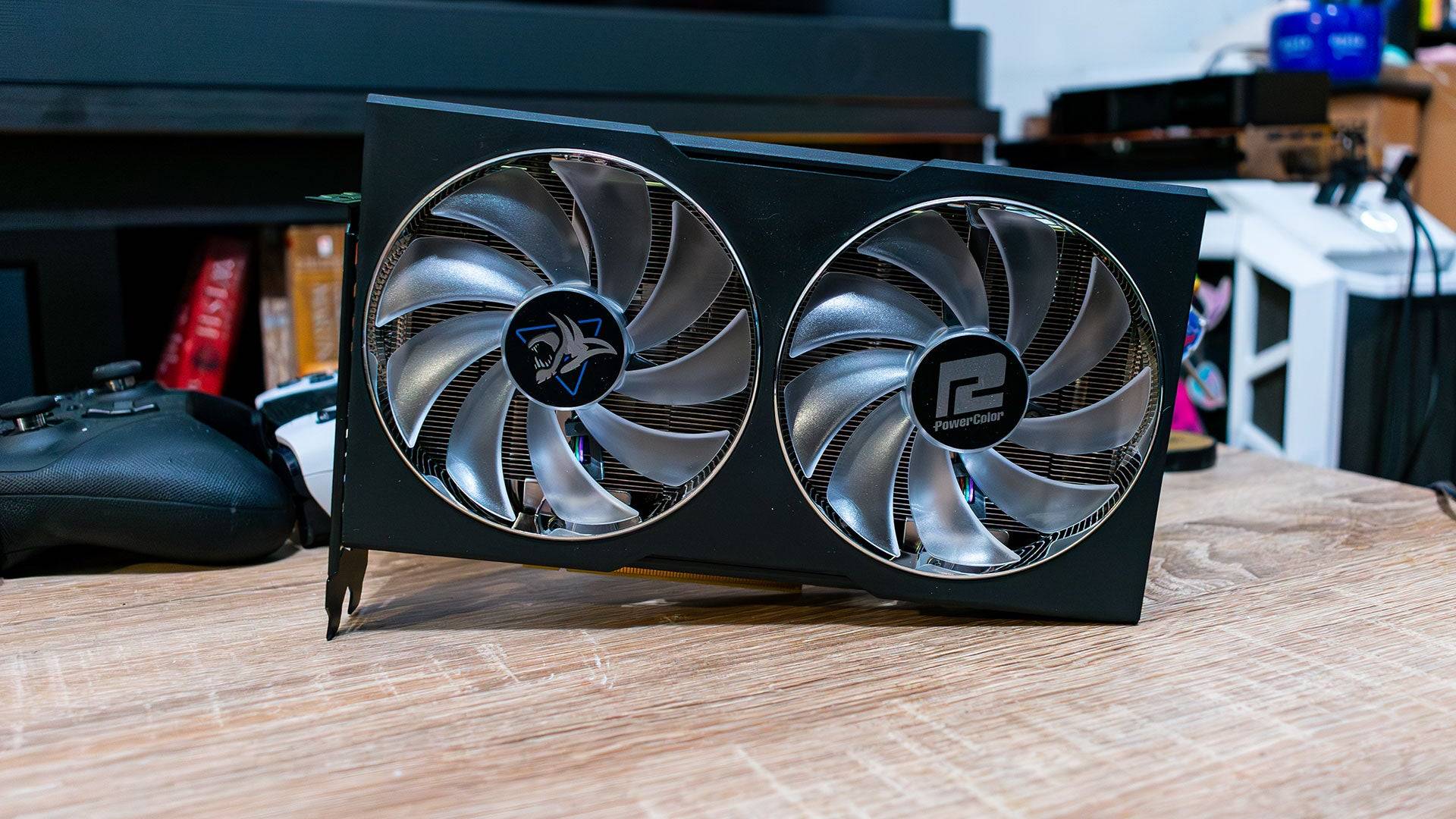
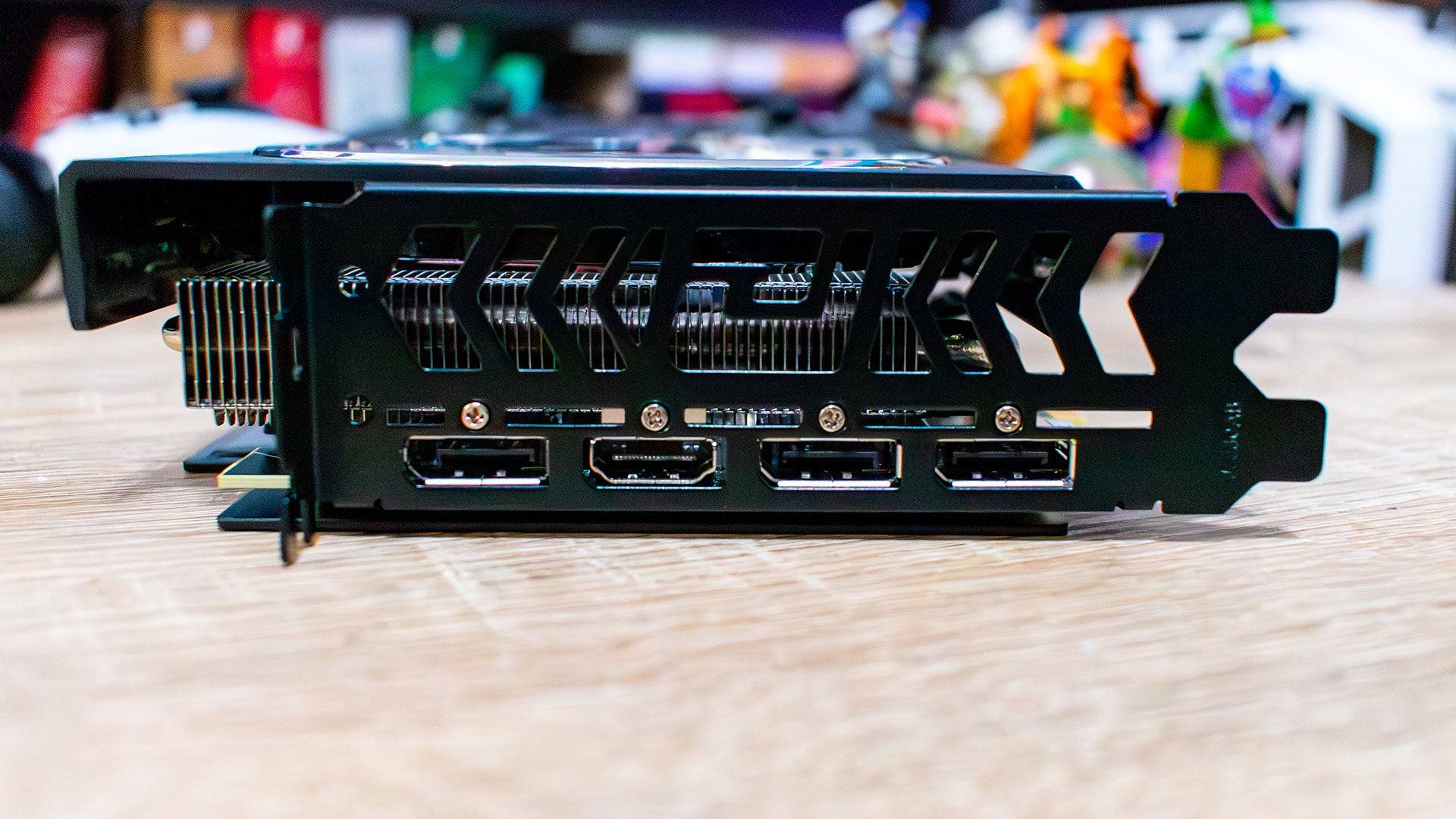
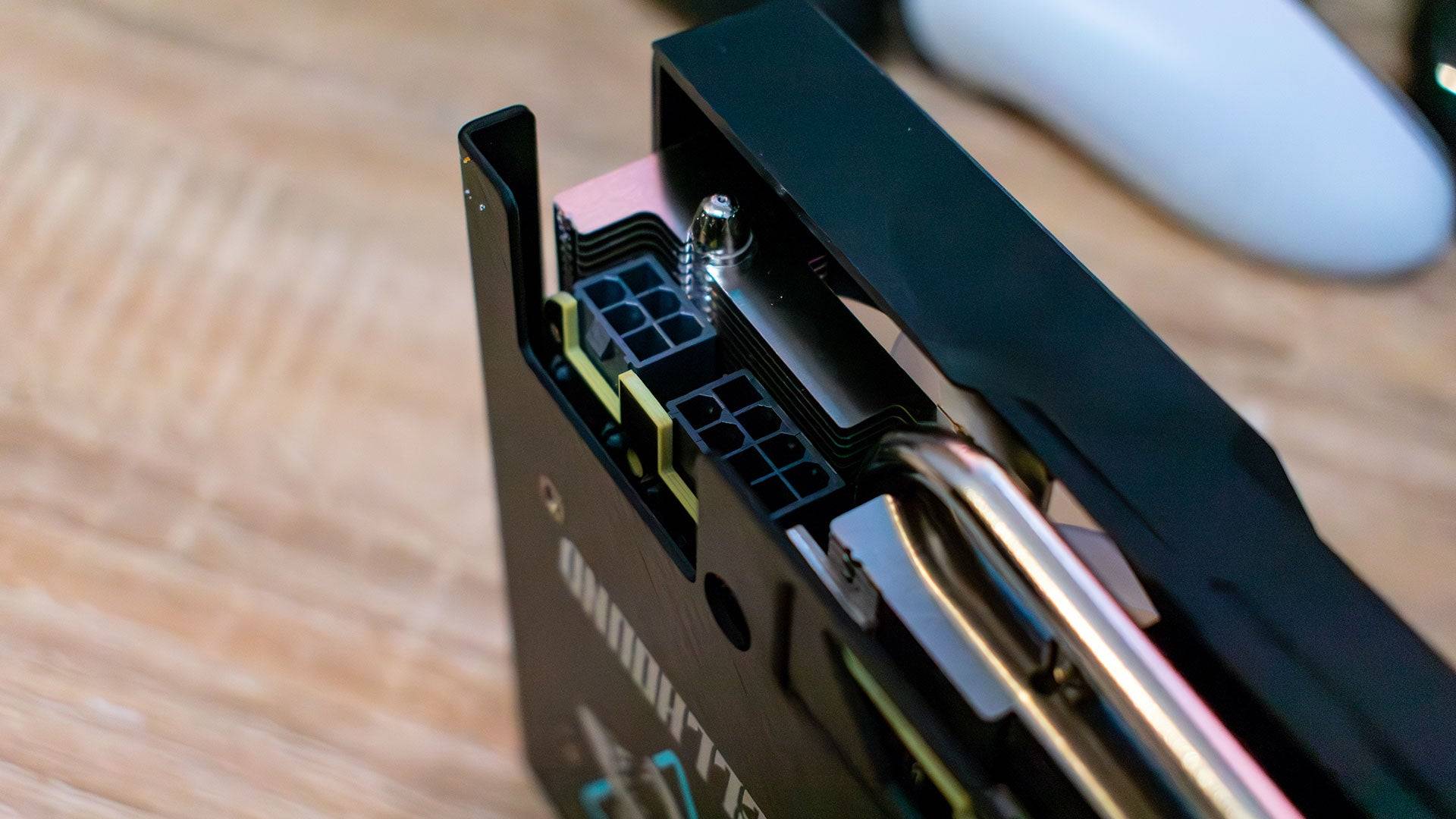
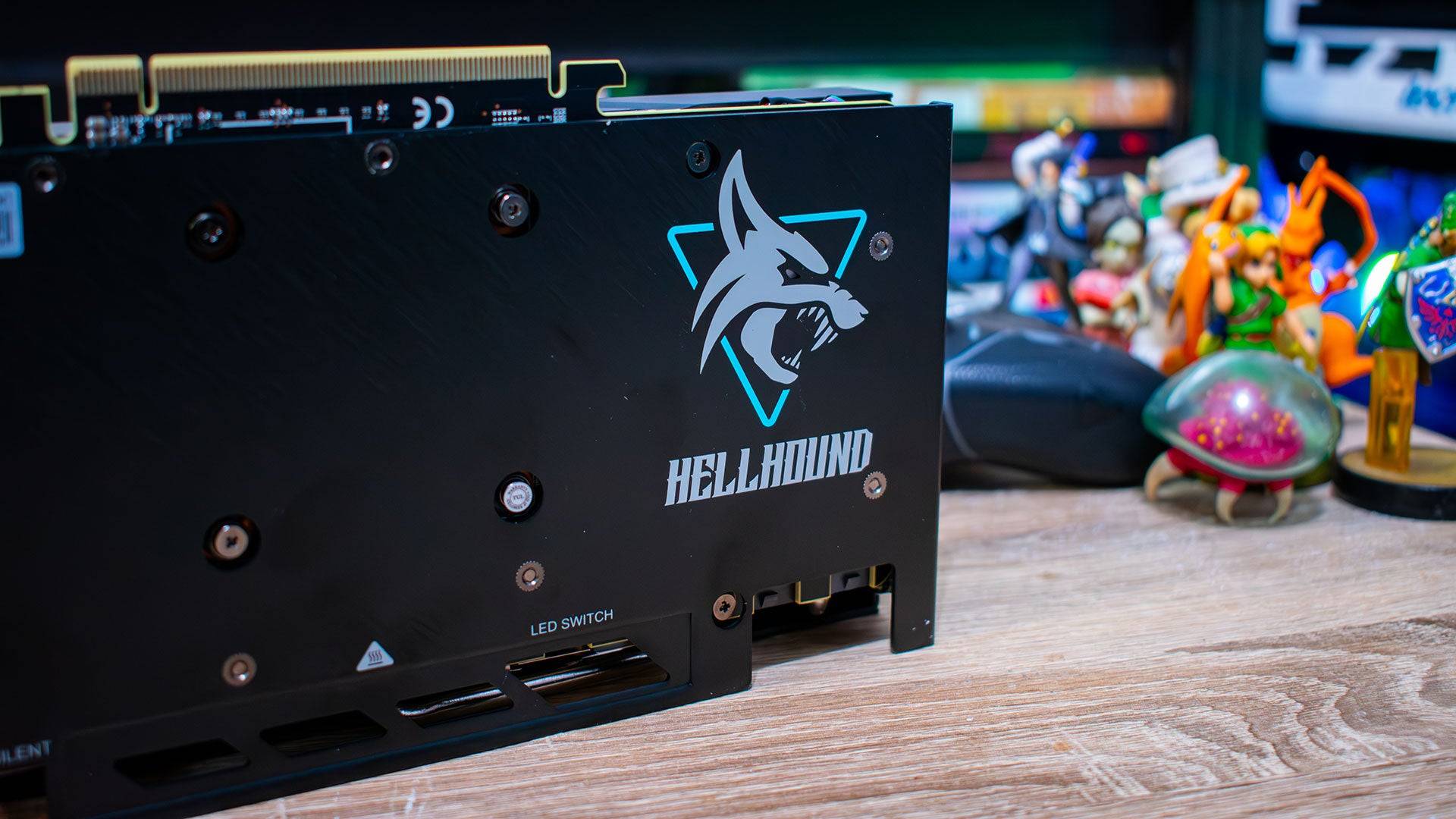
AMD Radeon RX 6600
This last-gen card remains a strong budget choice for 1080p gaming, particularly for esports titles. While not as powerful as newer cards, it delivers playable frame rates in most games at this resolution.
Product Specifications: Streaming Multiprocessors: 1792; Base Clock: 1626 MHz; Game Clock: 2044 MHz; Video Memory: 8GB GDDR6; Memory Bandwidth: 224 GB/s; Memory Bus: 128-bit; Power Connectors: 1 x 8-pin; Outputs: 1 x HDMI 2.1, 3 x DisplayPort 1.4a
FSR and Ray Tracing Explained
FSR (FidelityFX Super Resolution) upscales lower-resolution images to your native resolution, improving performance. FSR 4 uses AI for better image quality than FSR 3.1, while FSR frame generation adds extra frames for smoother gameplay (best used at 50-60fps or higher).
Ray tracing realistically renders light in 3D scenes, significantly increasing GPU workload. RT Cores in modern GPUs accelerate this process, enabling more realistic lighting effects in games. Games using full ray tracing (path tracing) require substantial processing power, often necessitating upscaling techniques like FSR for smooth performance.
 Latest Downloads
 Downlaod




 Top News