
 Monster Hunter's narrative, often overlooked due to its straightforward gameplay, deserves closer examination. This deep dive explores the underlying themes and interwoven stories.
← Return to Monster Hunter Wilds' main article
Monster Hunter's Evolving Narrative
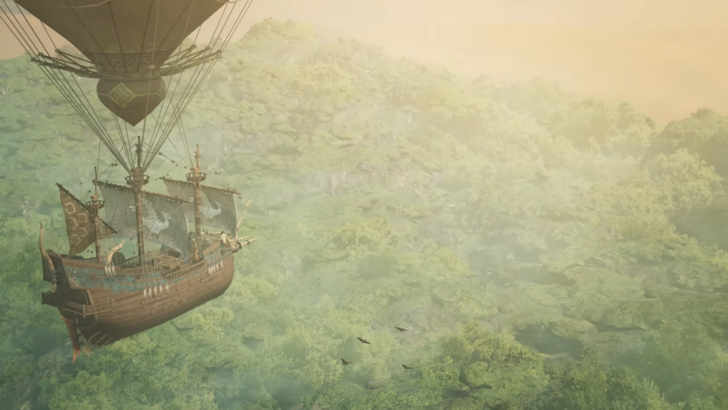 The Monster Hunter series isn't primarily known for its story. Many dismiss its narrative due to the mission-based structure, where quests dictate the player's actions. But is it truly that simplistic? Is it merely about hunting monsters for profit, fashion, or sport? Let's delve into the mainline series to uncover a deeper meaning.
The Hunter's Journey
 Most Monster Hunter games follow a similar pattern: a novice Hunter accepts quests, gradually progresses, and ultimately becomes the village's top-ranked Hunter. This involves facing increasingly challenging monsters, culminating in a final showdown with the game's ultimate boss (e.g., Fatalis in Monster Hunter 1). This core loop persists even in later games with enhanced storytelling. However, titles like World, Rise, and their expansions offer more involved narratives.
Maintaining Ecological Balance
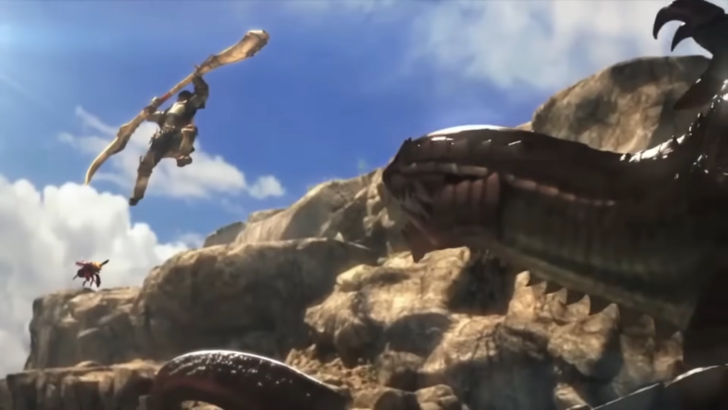 The series frequently portrays the Hunter as a force maintaining ecological balance. Monster Hunter 4 (MH4), for instance, features the Gore Magala and its Frenzy Virus, a disease making monsters aggressive. Defeating the Gore Magala is crucial to restoring balance.
Monster Hunter: World and Iceborne, however, present a more nuanced perspective. The endings suggest that while humans bear a responsibility for ecological balance, they still have much to learn about nature's intricate workings.
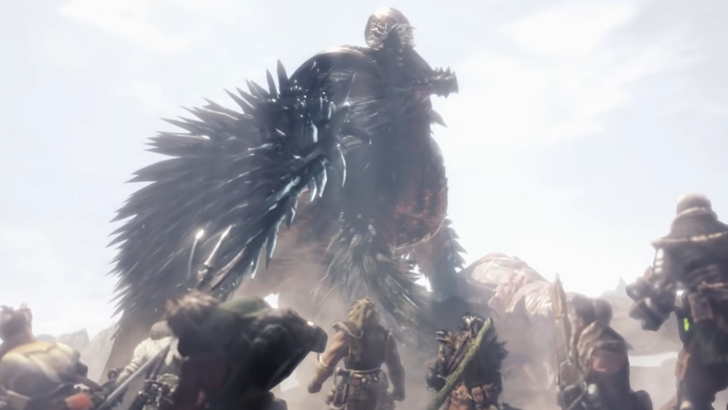 Iceborne's conclusion reveals Nergigante as a natural force of balance. While its role might seem underwhelming, it perfectly encapsulates the game's theme. The base game's ending labels the Hunter a "Sapphire Star," a guiding light linked to the in-game creation myth, "The Tale of the Five." This implies the Research Commission accepts its role as nature's guardian, guided by the Hunter.
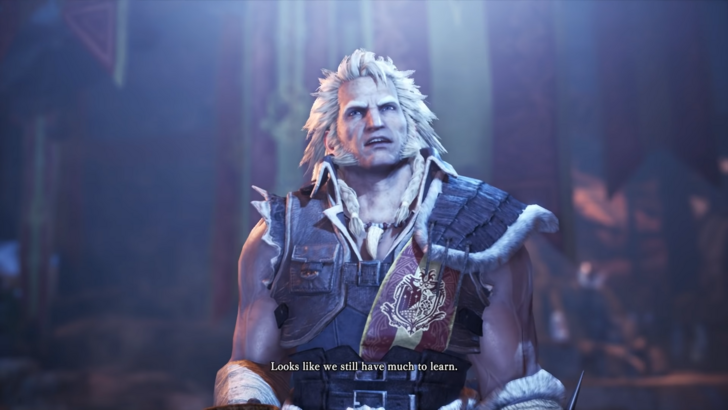 Iceborne's ending contrasts this, highlighting the Commission's need for further understanding of nature's resilience. This juxtaposition showcases nature's ability to thrive independently of human intervention, mirroring real-world ecological principles. This subtle narrative depth adds layers to the seemingly straightforward monster-hunting gameplay. But how do the monsters perceive the Hunter?
The Hunter's Reflection in the Monster
 In MH4, defeating the Gore Magala only reveals its evolved form, Shagaru Magala. This mirrors the player's experience of upgrading equipment and facing stronger challenges. This suggests the monsters also learn and adapt, reflecting the Hunter's progress.
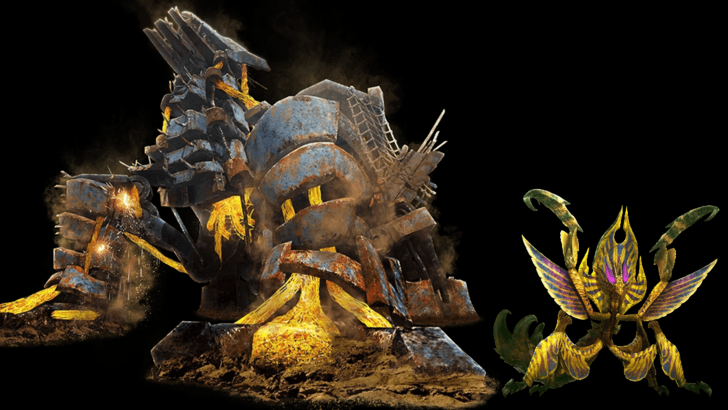 Ahtal-Ka in Monster Hunter Generations Ultimate exemplifies this. Its unique design and use of Hunter-like weaponry (Dragonators, steel beams) in its final form showcase its adaptation to the Hunter's methods. This reflects nature's ability to adapt, even to those who initially believe they are shaping it.
The Personal Narrative: Man vs. Wild
 Ultimately, Monster Hunter is about the player's journey of improvement and overcoming challenges. The game often establishes a personal narrative, like the initial encounter with the Tigrex in Monster Hunter Freedom 2, which sets the stage for the player's growth and eventual triumph.
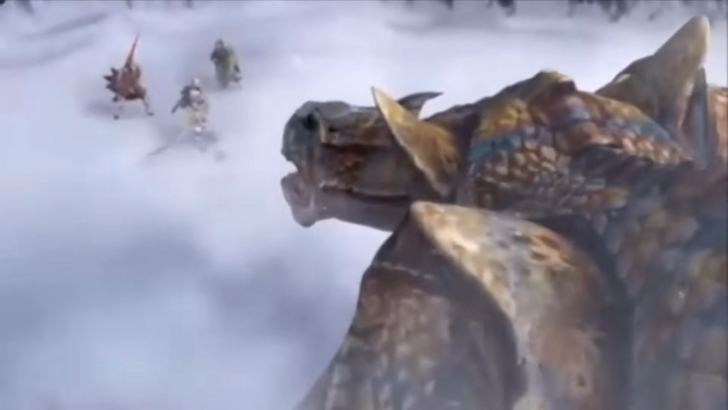 Later encounters with the same monster highlight the player's progress. This personal narrative, coupled with the overarching themes of ecological balance and adaptation, creates a compelling player experience.
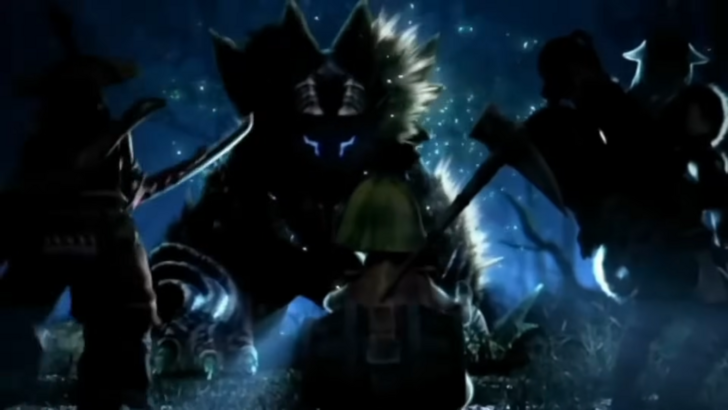 While newer games incorporate more explicit storylines, the core appeal remains the player's personal journey of overcoming challenges, creating a memorable narrative experience. Monster Hunter may not have the most elaborate plots, but it effectively weaves a compelling narrative through gameplay and thematic depth.
 Latest Downloads
 Downlaod




 Top News