
The 1970s marked a period of significant change for Marvel Comics, introducing iconic storylines like "The Night Gwen Stacy Died" and the profound encounter of Doctor Strange with God. However, it was the dawn of the 1980s that truly heralded a new era, with legendary creators delivering some of the most memorable runs in comic book history. This era saw Frank Miller's groundbreaking work on Daredevil, John Byrne's transformative take on the Fantastic Four, David Michelinie's influential Iron Man stories, and the peak of Chris Claremont's legendary X-Men saga. Not to be overlooked, Roger Stern's Amazing Spider-Man and Walt Simonson's Thor were just on the horizon, further cementing the 1980s as a pivotal decade for Marvel's enduring characters.
When examining the entire tapestry of the Marvel Universe, the 1980s stand out as a potential golden age for the company. In this installment, Part 7 of our series, we delve into the essential issues that defined this remarkable period.
More Essential Marvel
- 1961-1963 - The Birth of a Universe
- 1964-1965 - The Sentinels Are Born and Cap Dethaws
- 1966-1969 - How Galactus Changed Marvel Forever
- 1970-1973 - The Night Gwen Stacy Died
- 1974-1976 - The Punisher Begins His War on Crime
- 1977-1979 - Star Wars Saves Marvel From Bankruptcy
- The Dark Phoenix Saga and Other All-Time X-Men Stories
Chris Claremont's transformative run on X-Men, which began in 1975, reached its zenith in the early 1980s with three monumental stories. The first, the Dark Phoenix Saga, unfolded in X-Men #129-137 and remains the most celebrated X-Men narrative. This epic tale, co-plotted and illustrated by John Byrne, chronicles Jean Grey's transformation into the Dark Phoenix, a cosmic entity corrupted by the Hellfire Club. The saga not only introduced pivotal characters like Kitty Pryde (Shadowcat), Emma Frost, and Dazzler but also delivered one of the most emotionally charged moments in X-Men lore with Jean Grey's ultimate sacrifice. Despite numerous adaptations, including films like X-Men: The Last Stand and Dark Phoenix, the animated series have arguably captured the essence of this story more faithfully.
Following closely, the Days of Future Past storyline in X-Men #141-142 introduced a dystopian future dominated by the mutant-hunting Sentinels, first created by Stan Lee and Jack Kirby. This gripping two-issue arc, featuring time-traveling Kitty Pryde's mission to prevent a pivotal assassination, has been revisited and adapted, notably in the 2014 film X-Men: Days of Future Past and the animated series Wolverine & the X-Men.
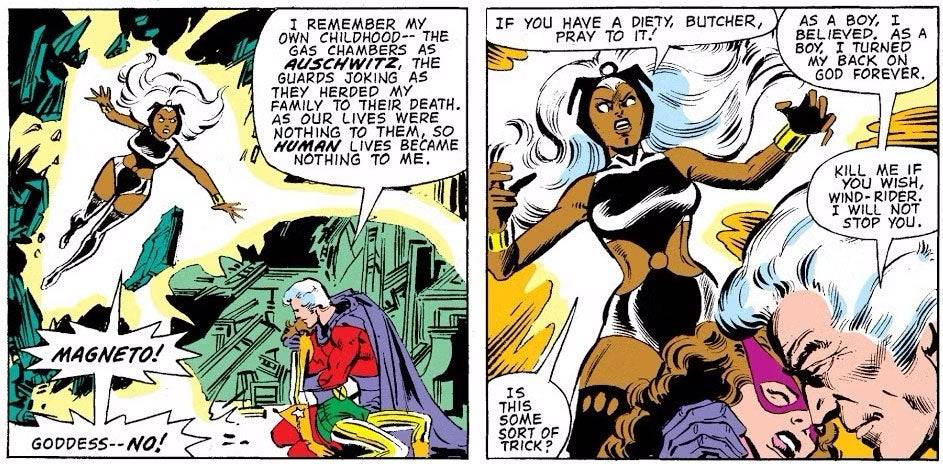
Completing the trilogy of iconic X-Men stories from this era, X-Men #150 delves into Magneto's complex character, revealing his Holocaust survivor backstory during a near-fatal confrontation with the X-Men. This revelation set the stage for Magneto's evolution into a more nuanced figure in subsequent narratives.
The First Appearances of Rogue, She-Hulk, and the New Mutants
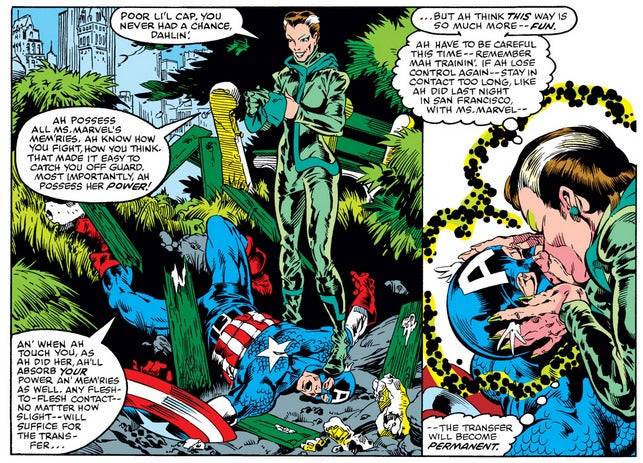
The 1980s also introduced several key characters, particularly notable female heroes. Rogue, a fan-favorite X-Men member, debuted as a villain in Avengers Annual #10, part of Mystique's Brotherhood of Evil Mutants. Her initial act of draining Carol Danvers' powers set a dramatic course for both characters. This issue also addressed Carol's traumatic experience with Marcus Immortus, marking a significant, albeit controversial, moment in Marvel's history.
She-Hulk, co-created by Stan Lee, made her debut in Savage She-Hulk #1. Jennifer Walters, Bruce Banner's cousin, gained her powers through an emergency blood transfusion. While her initial series didn't capture widespread acclaim, She-Hulk's character flourished upon joining the Avengers and Fantastic Four, eventually leading to Tatiana Maslany's portrayal in the MCU's She-Hulk series.
The New Mutants, Marvel's first X-Men spin-off, debuted in Marvel Graphic Novel #4 before transitioning to their own series. This team of young mutants, including Cannonball, Sunspot, Karma, Wolfsbane, and Dani Moonstar (later Mirage), along with the later addition of Illyana Rasputina (Magik), laid the groundwork for future stories and adaptations, such as the 2020 New Mutants film.
Iconic Storylines for Daredevil, Iron Man, and Captain America
Daredevil #168 marked the beginning of Frank Miller's transformative run, introducing Elektra and redefining the character's mythology. Over the next two years, Miller crafted a gritty, noir-inspired saga that included the rise of Kingpin as Matt Murdock's nemesis, the introduction of Stick, and the tragic death of Elektra at the hands of Bullseye. This run not only inspired the 2003 film and the 2015 Netflix series but also set the stage for the upcoming MCU show, Daredevil: Born Again.
David Michelinie and Bob Layton's Doomquest storyline in Iron Man #149-150 saw Iron Man's first solo confrontation with Doctor Doom, leading to an adventure in Arthurian times. This tale solidified Doom's place in Iron Man's rogues gallery and set the stage for future collaborations between Doom and Morgan le Fay.
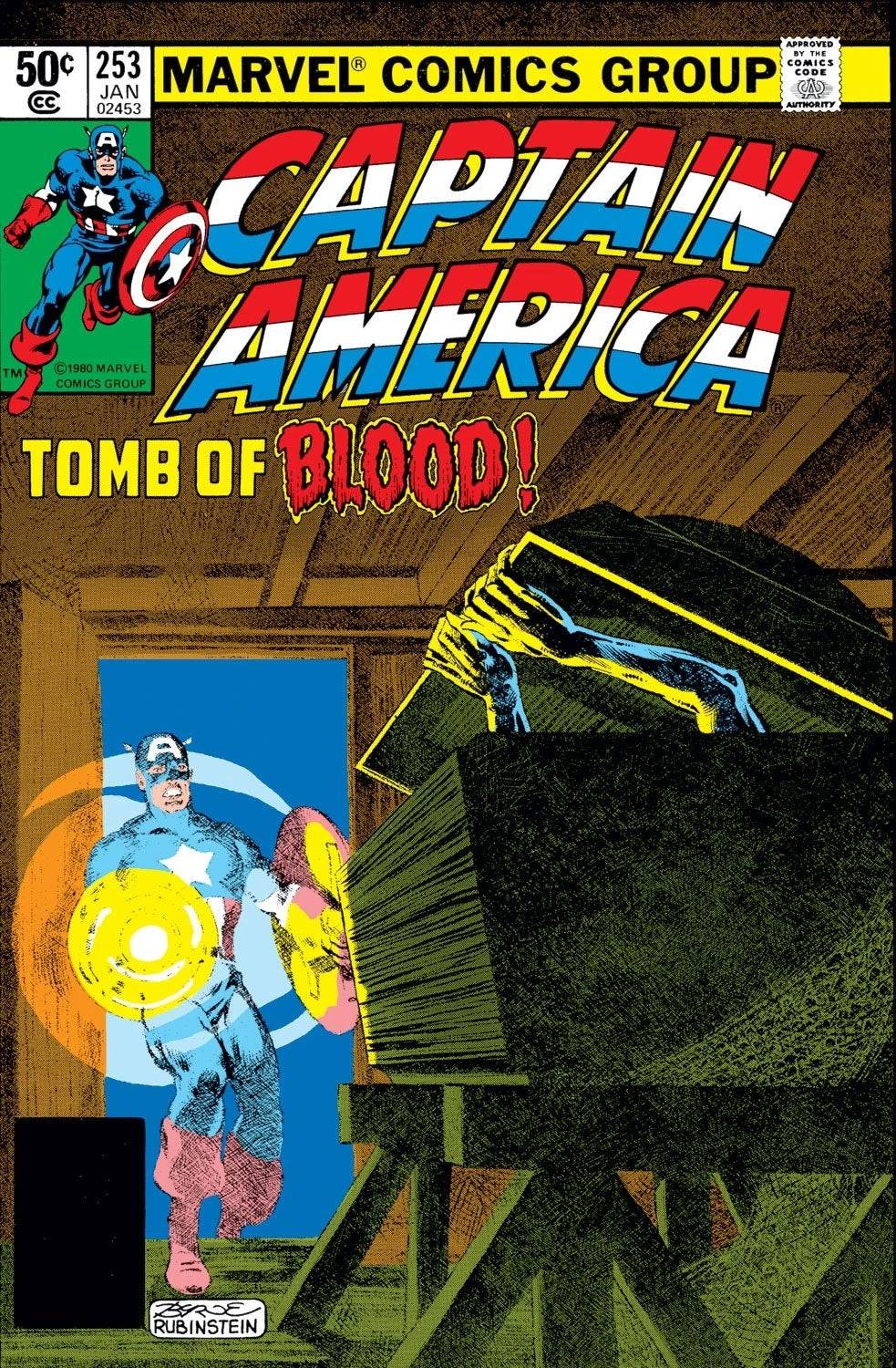
Roger Stern and John Byrne's Captain America #253-254 delivered a darker narrative involving Cap's battle with the Nazi vampire Baron Blood, showcasing stellar artwork and a gripping storyline.
Moon Knight Becomes a Hero and Marvel Helps Create the G.I. Joe Mythology
Moon Knight's transition from antagonist to hero was solidified in Moon Knight #1, where his backstory and alternate personalities were fully explored. This issue laid the foundation for all subsequent Moon Knight narratives.
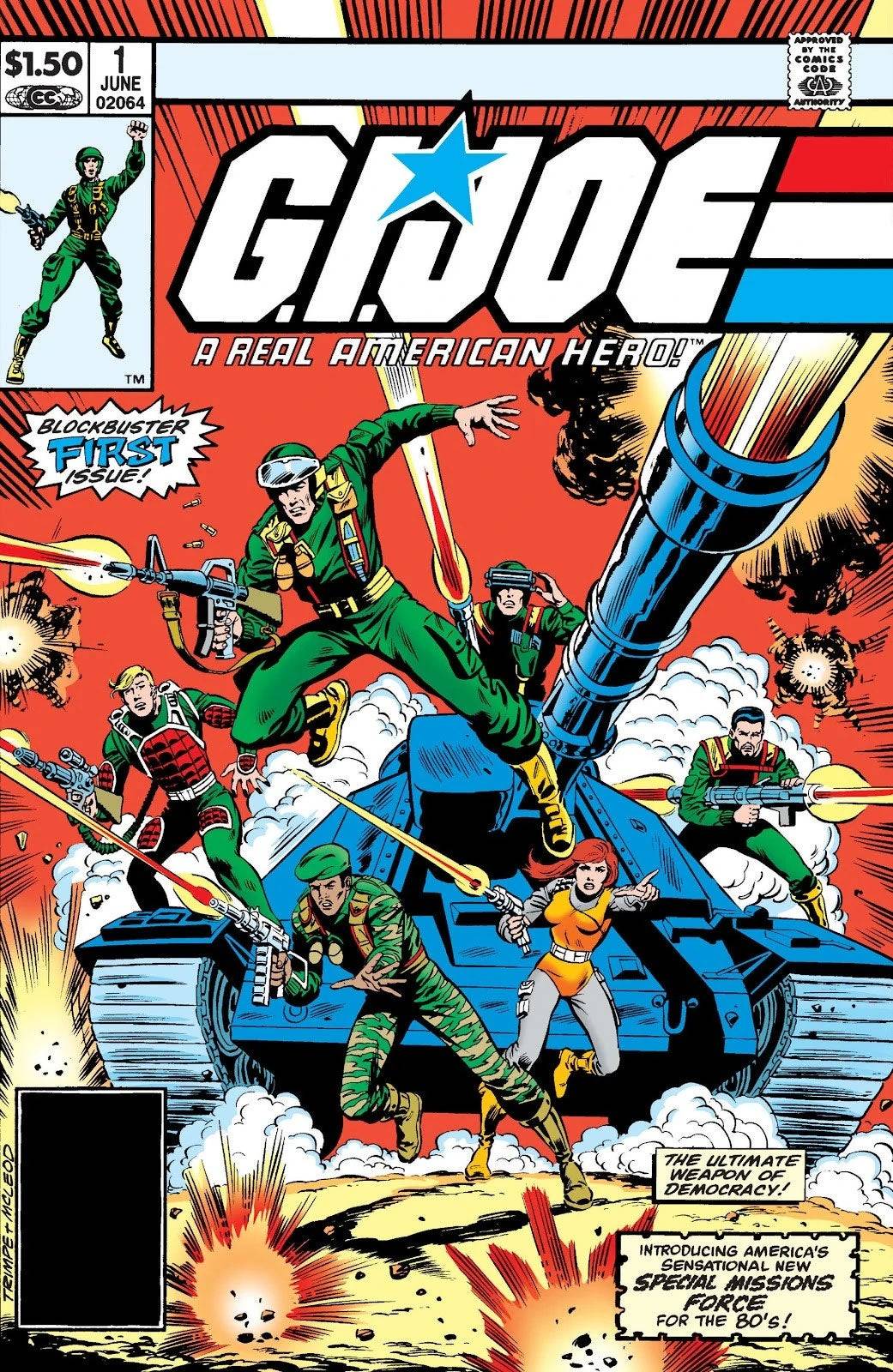
Although not owned by Marvel, the G.I. Joe franchise owes much of its character development to Marvel's creative team. The Real American Hero comic, launched in 1982, introduced iconic characters like Scarlett, Snake Eyes, and Storm Shadow, thanks to the efforts of editor Archie Goodwin and writer Larry Hama. Hama's storytelling not only made G.I. Joe one of Marvel's most popular titles but also resonated strongly with female readers due to its equitable portrayal of female characters.
 Latest Downloads
 Downlaod



 Top News