
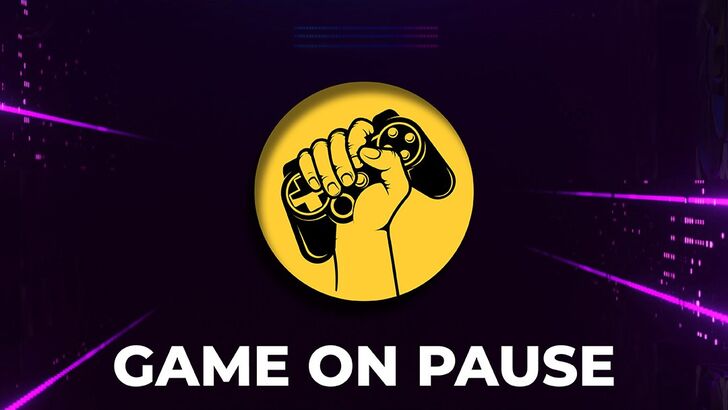
 The video game industry faces potential upheaval as SAG-AFTRA, the union representing voice actors and performance artists, has authorized a strike against major game developers. This action highlights a critical conflict over fair labor practices and the ethical implications of artificial intelligence in performance capture.
SAG-AFTRA Authorizes Strike: A Fight for AI Protections
SAG-AFTRA's Declaration
On July 20th, SAG-AFTRA's National Board unanimously empowered its National Executive Director & Chief Negotiator to call a strike if necessary. This strike would encompass all services under the Interactive Media Agreement (IMA), halting work on all affected projects. The central issue is securing robust AI protections for video game performers.
National Executive Director & Chief Negotiator Duncan Crabtree-Ireland emphasized the union's unwavering resolve, stating that the overwhelming member vote (over 98% in favor) to authorize a strike underscores the need for a fair agreement, particularly regarding AI usage. He highlighted the importance of protecting the performers whose work is integral to the success of popular video games.
Key Issues and Industry Impact
 The potential strike stems from concerns over the unregulated use of AI in voice acting and performance capture. Currently, no safeguards prevent AI replication of actors' likenesses, leading to anxieties about unpaid usage and lack of control over how their work is employed. SAG-AFTRA members demand fair compensation and clear guidelines for AI usage of their performances.
Beyond AI, the union seeks substantial wage increases to counter inflation (11% retroactive pay and 4% increases in subsequent years), improved on-set safety measures (including mandatory rest periods, on-site medics for hazardous work, vocal stress protections, and eliminating stunt requirements in self-taped auditions).
 The strike's impact on game development is uncertain. Unlike film and television, video game production spans years. While a strike could delay specific development phases, the extent of its effect on game release timelines remains unclear.
Companies Involved and Their Positions
The potential strike targets ten major companies: Activision Productions Inc., Blindlight LLC, Disney Character Voices Inc., Electronic Arts Productions Inc., Epic Games, Inc., Formosa Interactive LLC, Insomniac Games Inc., Take 2 Productions Inc., VoiceWorks Productions Inc., and WB Games Inc.
Epic Games has publicly supported SAG-AFTRA's position, with CEO Tim Sweeney tweeting his opposition to game companies obtaining generative AI training rights from voice recording sessions. Other companies have yet to release official statements.
Negotiation History and Context
 This conflict began in September 2023, with SAG-AFTRA securing overwhelming member support (98.32%) for strike authorization ahead of contract negotiations. Negotiations have stalled, despite an extension of the previous contract (expired November 2022).
The current situation echoes a 2016 strike lasting 340 days, which resulted in a compromise deemed unsatisfactory by many union members. Further complicating matters, a January 2024 deal with Replica Studios, an AI voice provider, drew criticism, widening internal divisions within SAG-AFTRA regarding AI's role in performance capture.
 The strike authorization signifies a critical juncture in the fight for fair labor practices within the gaming industry. The outcome will significantly impact AI's role in performance capture and the overall treatment of video game performers. The rapid advancement of AI necessitates strong protections for individuals, ensuring AI enhances, not replaces, human creativity. A swift resolution addressing the union's concerns is crucial.
 Latest Downloads
 Downlaod



 Top News