
Exploring Monster Hunter Wilds' Oilwell Basin: A Deep Dive into its Ecosystem and New Monsters
Monster Hunter Wilds introduces the Oilwell Basin, a unique locale drastically different from previous environments like the Windward Plains and Scarlet Forest. This fiery, oil-slicked landscape, brimming with geothermal energy, supports a distinct ecosystem, as detailed by directors Yuya Tokuda (Monster Hunter: World and Wilds) and Kaname Fujioka (Monster Hunter and Wilds' executive director and art director).
The Oilwell Basin's design emphasizes verticality, with varying conditions across its upper, middle, and lower strata. The top layer, bathed in sunlight, features oil-covered mud. Descending deeper, the heat intensifies, culminating in lava flows in the lower regions. This unique environment mirrors underwater volcanic ecosystems, drawing on the team's experience creating the Coral Highlands in World. The Basin's flora and fauna thrive on geothermal energy, a stark contrast to the sunlight-dependent ecosystems of previous locales.
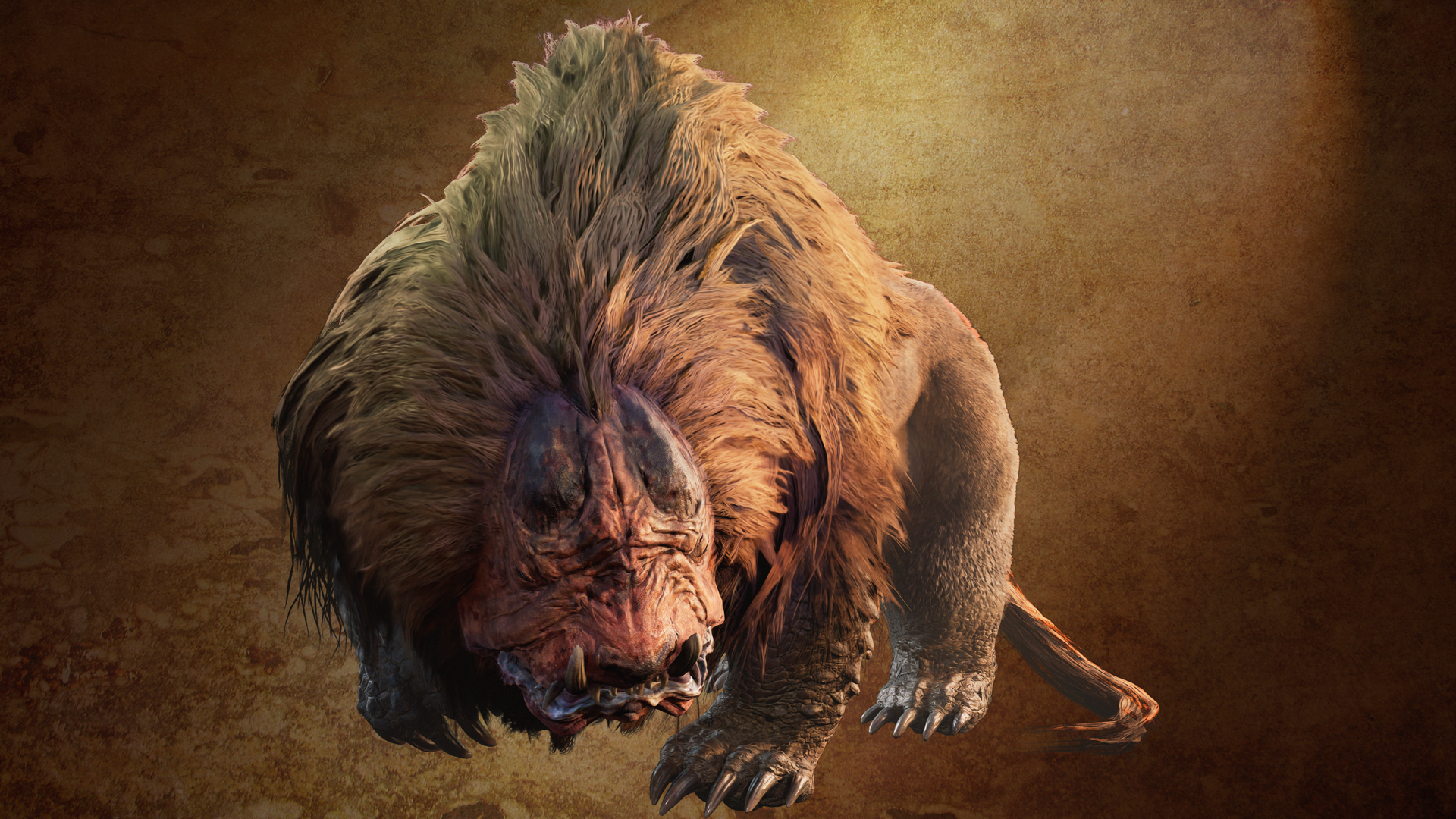
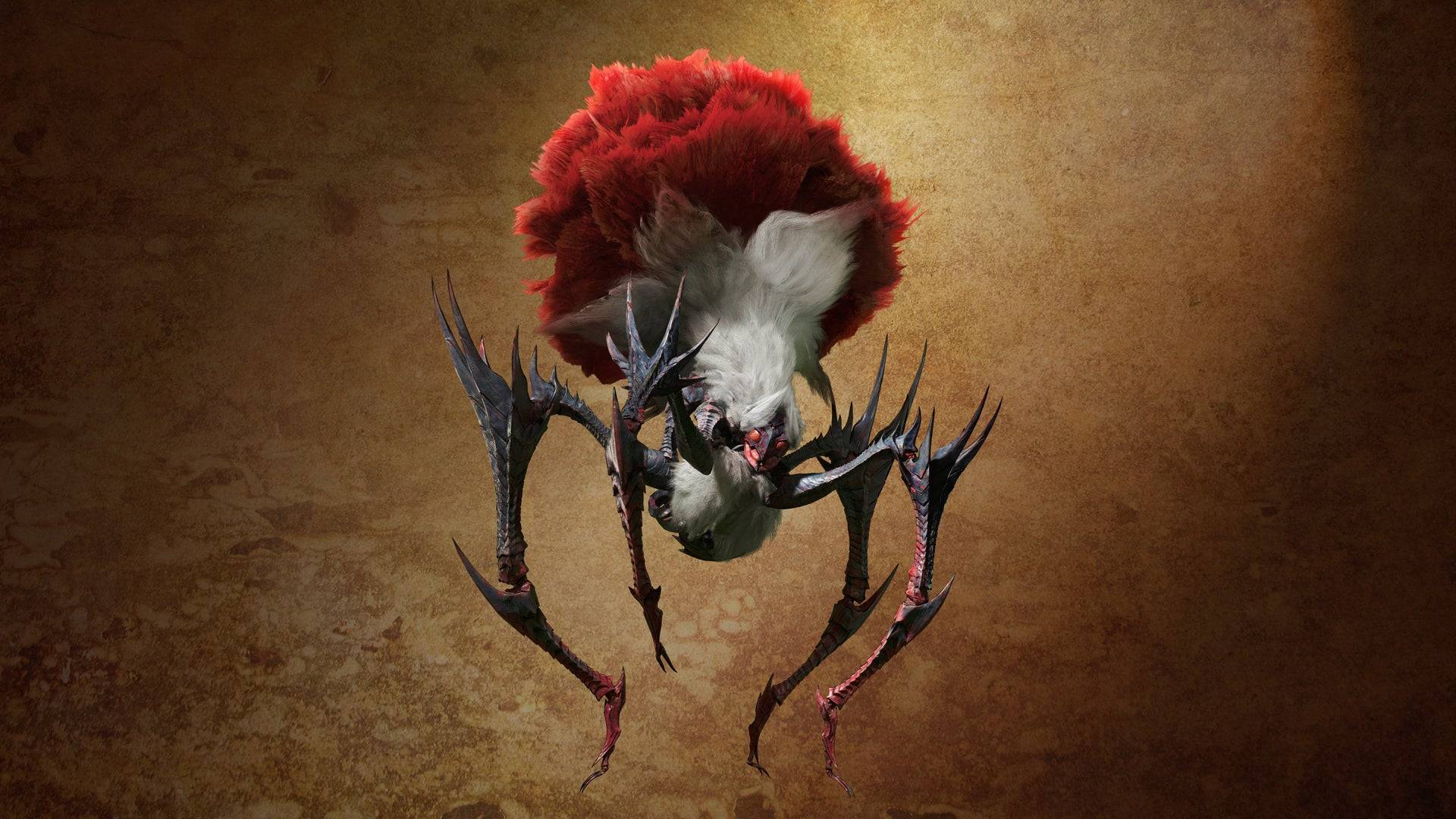
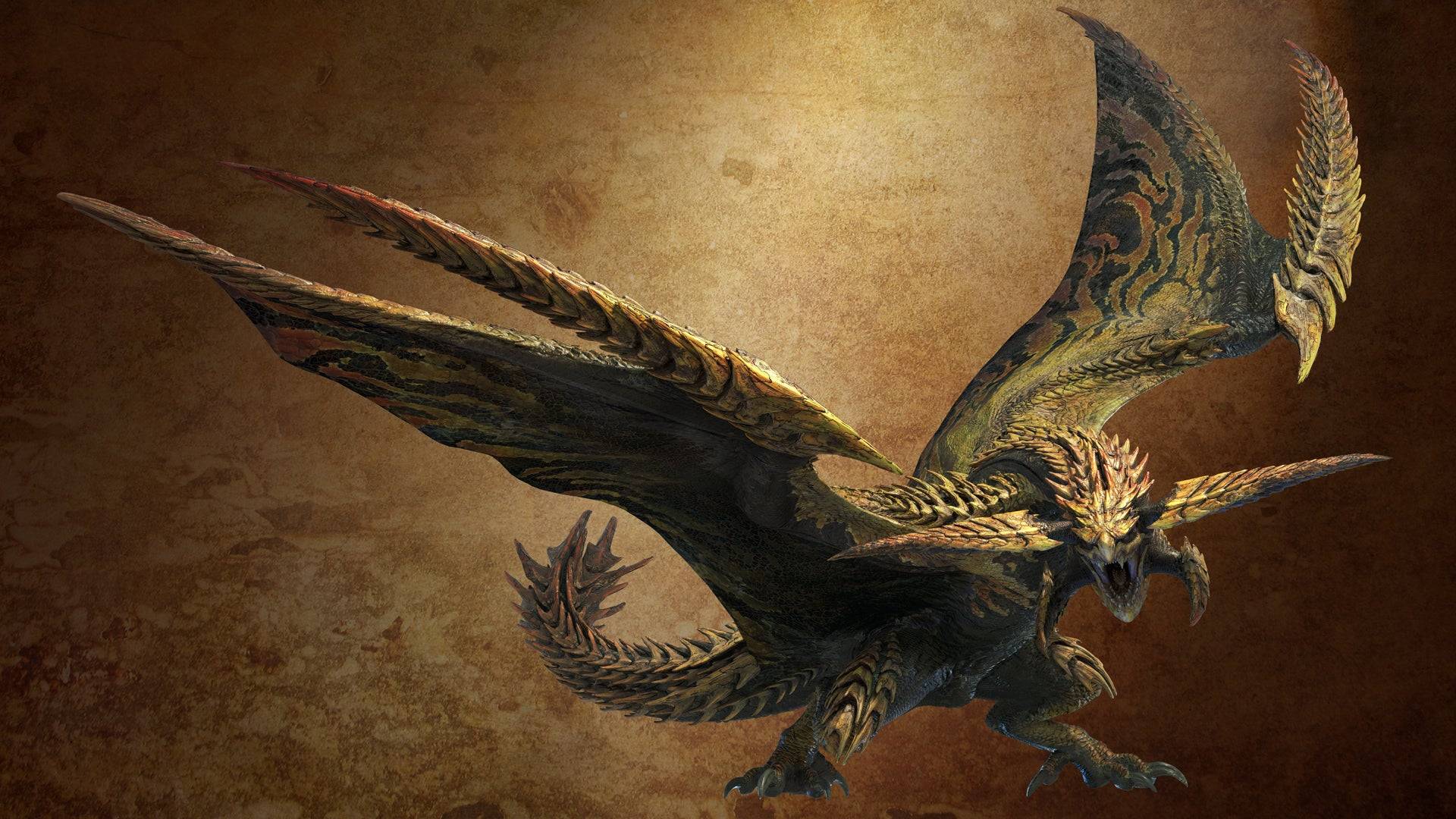
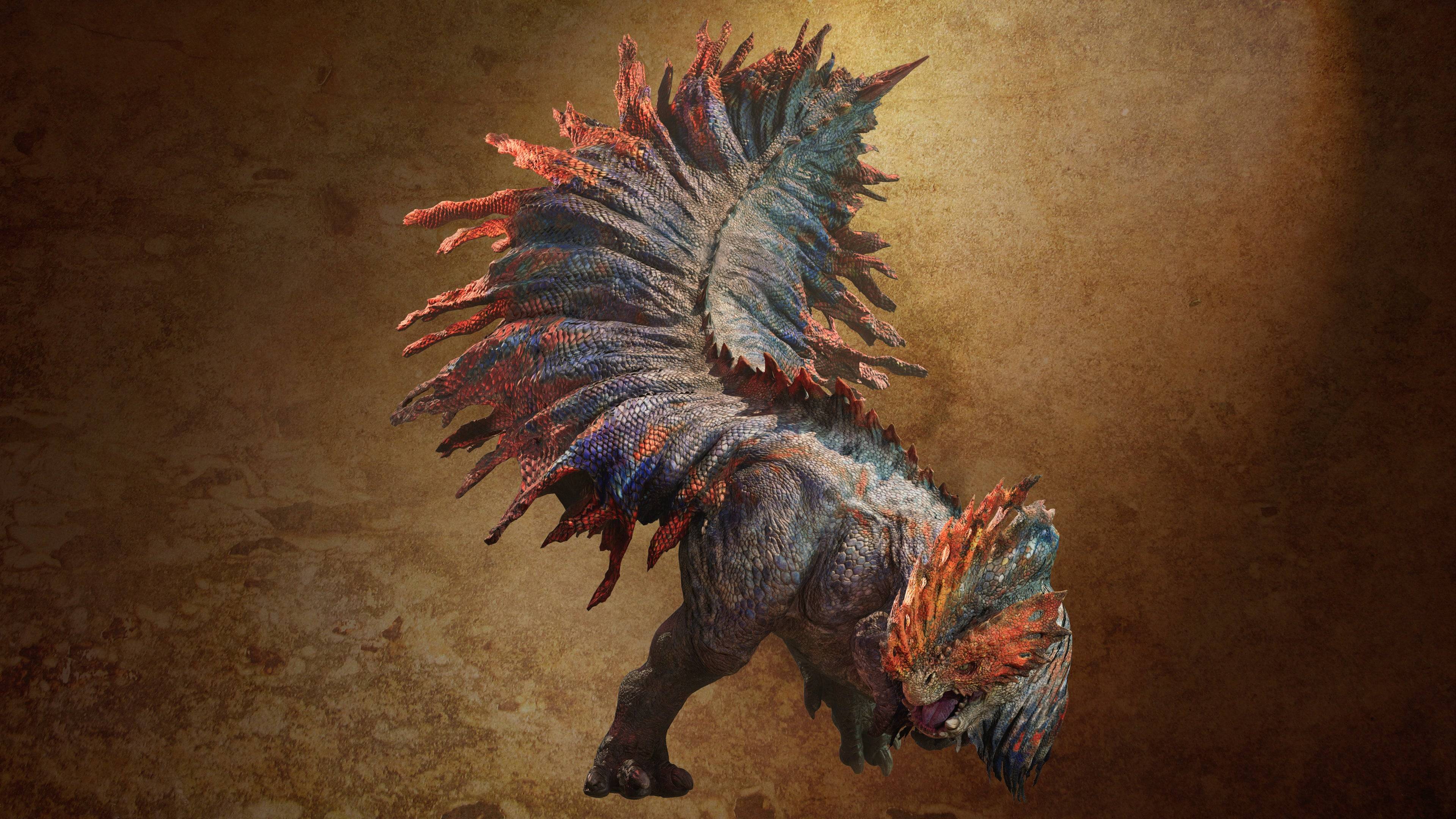
New Monsters: Rompopolo and Ajarakan
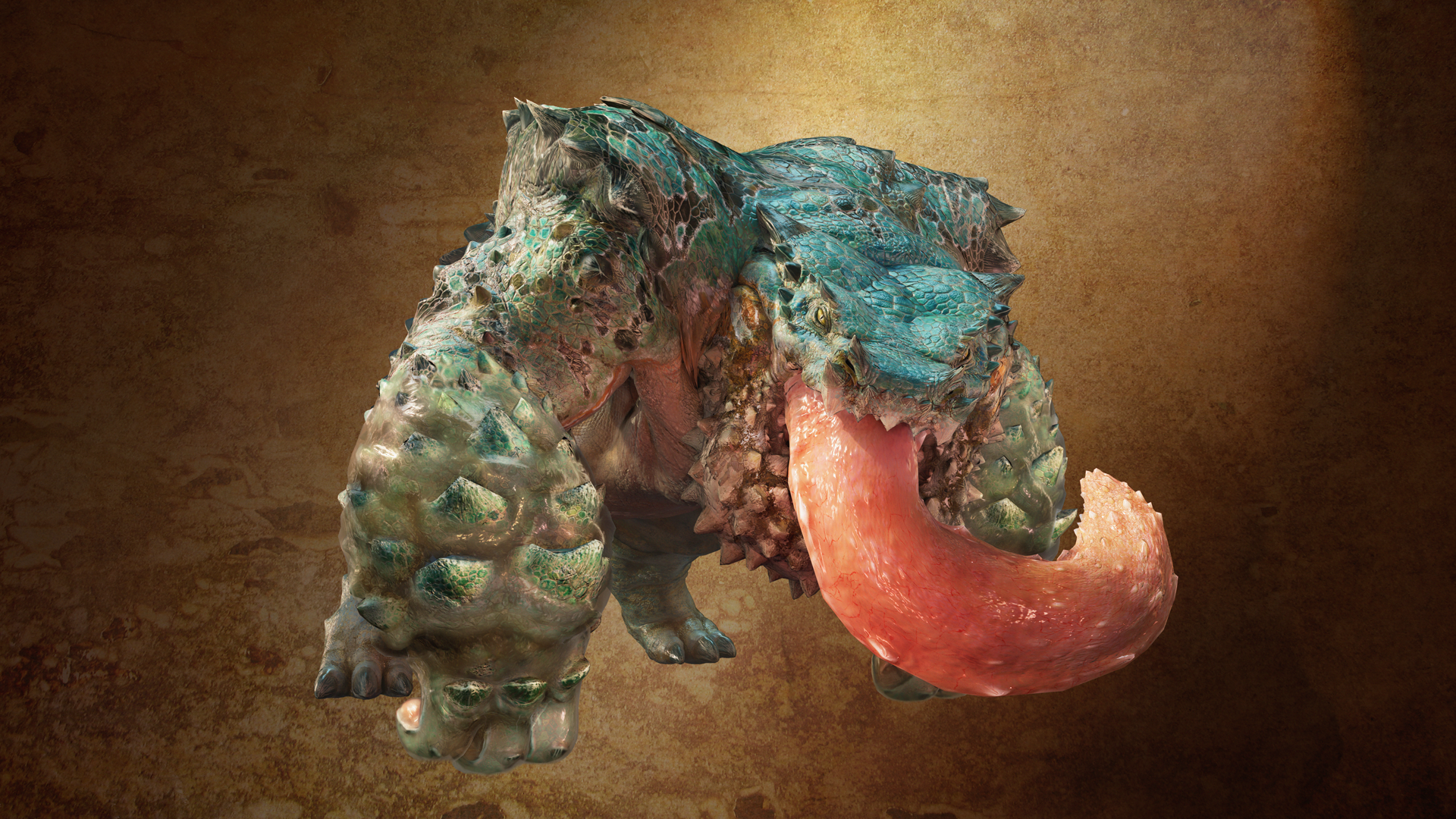
Two new monsters inhabit this harsh environment: Rompopolo and Ajarakan. Rompopolo, a globular, toxic creature, was inspired by the image of a mad scientist, reflected in its purple hue and glowing red eyes. Its design focuses on trickery and the use of toxic gas. Conversely, Ajarakan, a flame-wreathed gorilla-like monster, embodies straightforward power. Its design prioritizes easily understood strengths, with attacks centered on powerful punches and ground slams that erupt in flames. Ajarakan's towering silhouette and fiery attacks establish its dominance in the Oilwell Basin's food chain.


The Apex Predator: Nu Udra
Ruling the Oilwell Basin is Nu Udra, a flame-coated octopus-like creature. Its design, a long-held ambition of Tokuda and Fujioka, presented significant technical challenges. Nu Udra’s flexible body and tentacle-based attacks required innovative animation techniques. Its movements are fluid and unpredictable, making it a formidable opponent. The team meticulously crafted its animations, allowing it to seamlessly navigate the terrain, including squeezing into small openings. Nu Udra's attacks are characterized by a unique tempo, combining focused strikes and area-of-effect attacks using its head and flames. Its sensory organs, located at the tips of its tentacles, emit light to indicate its targets, making it a challenging foe even in multiplayer hunts. The music accompanying Nu Udra battles also reflects demonic imagery, enhancing the overall experience.


The Return of Gravios
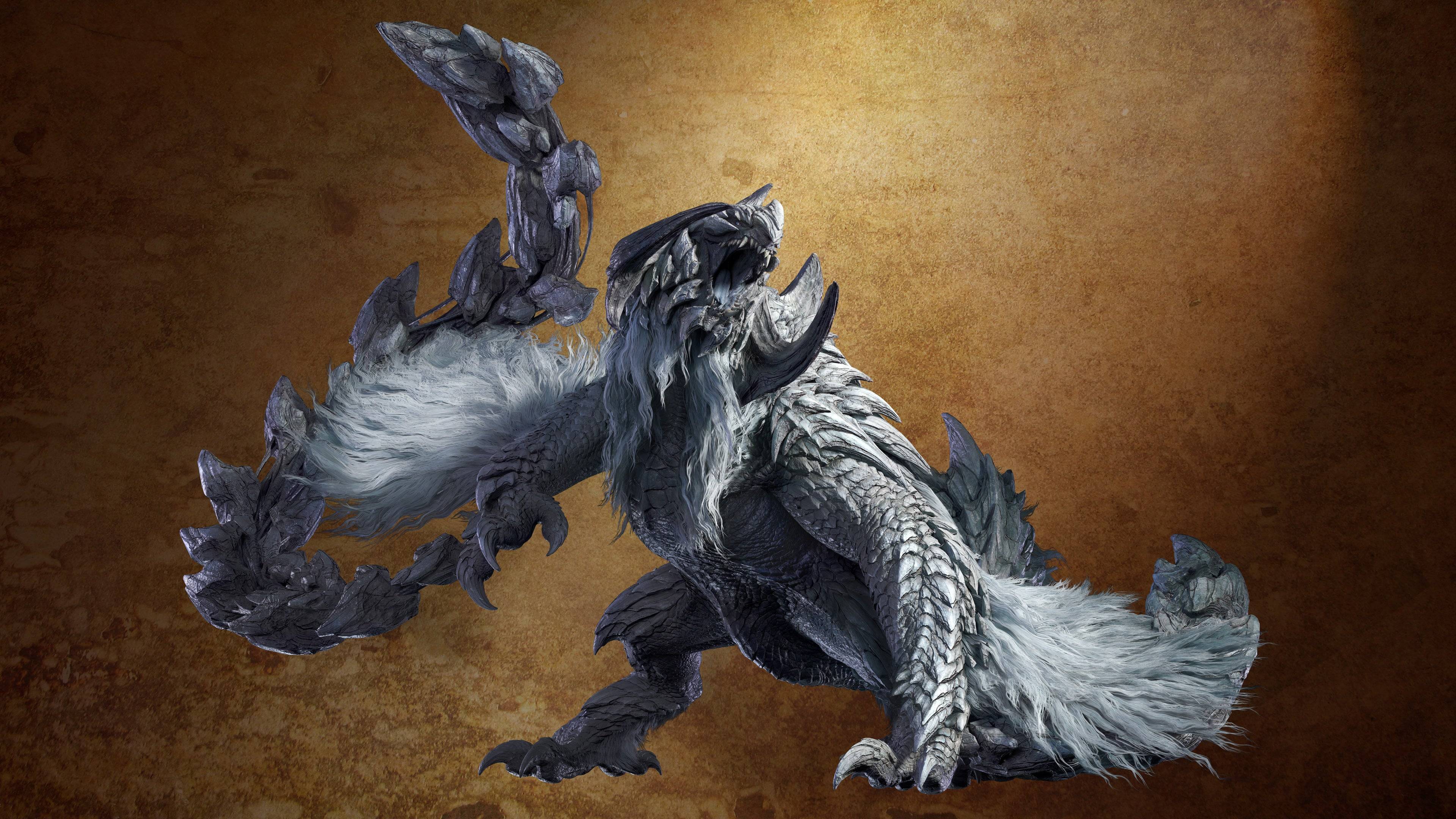
The Oilwell Basin also sees the return of Gravios, a fan-favorite monster last seen in Monster Hunter Generations Ultimate. Its hard, rocky carapace and emission of hot gas make it a fitting inhabitant of this fiery environment. The developers focused on retaining Gravios' signature hardness while also making it a challenging encounter for experienced hunters.
The Oilwell Basin, with its unique ecosystem and formidable monsters, promises a thrilling hunting experience in Monster Hunter Wilds. The developers' dedication to detail and innovation is evident in every aspect of this new locale, from its environmental design to the intricate animations of its inhabitants.
 Latest Downloads
 Downlaod



 Top News