
Nintendo, a titan in the gaming industry, has been synonymous with innovation and creativity since its inception. The company's rich history is filled with beloved intellectual properties that continue to captivate audiences even decades later. With a robust lineup of upcoming titles, Nintendo shows no signs of slowing down. The recent announcement of the Nintendo Switch 2 has sparked interest in revisiting the legacy of Nintendo's consoles. Let's take a journey through time and explore every console Nintendo has released, highlighting their contributions to gaming.
Got questions or want to discuss Nintendo's impact on gaming? Join our vibrant community on Discord!
Which Nintendo Console Had the Best Games?
AnswerSee Results*Looking to save on a new Nintendo Switch or new titles for your system? Be sure to check out the best Nintendo deals available today.*
How Many Nintendo Consoles Have There Been?
In total, 32 Nintendo consoles have been released throughout Nintendo's history. The upcoming Switch 2 will mark the 33rd. This count includes both home and handheld consoles, along with revision models such as those branded as XL and Mini.
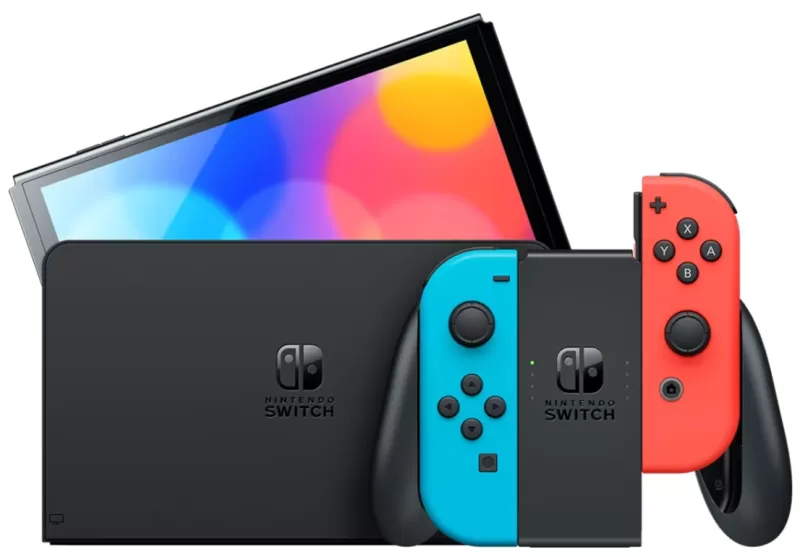 Latest Model
Nintendo Switch OLED (Neon Blue & Red)
4See it at Amazon
Every Nintendo Console in Order of Release
Color TV-Game - June 1, 1977
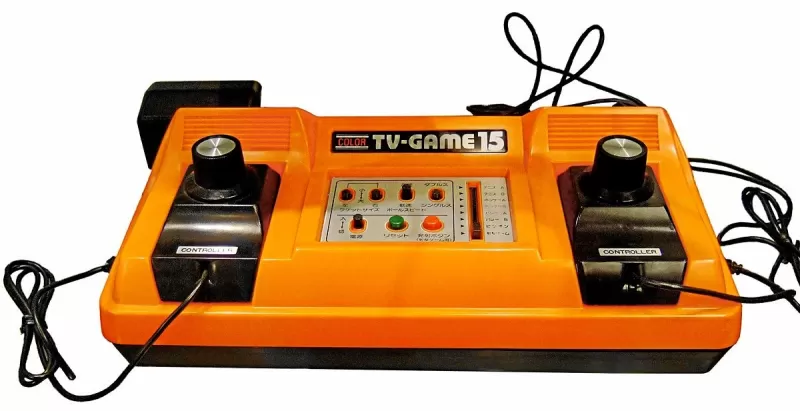 Nintendo's journey into gaming hardware began with the Color TV-Game series, a collaboration with Mitsubishi Electronics. This pioneering venture laid the foundation for Nintendo's future in the gaming industry, with the Color TV-Game systems enjoying significant success at the time.
Game & Watch - April 28, 1980
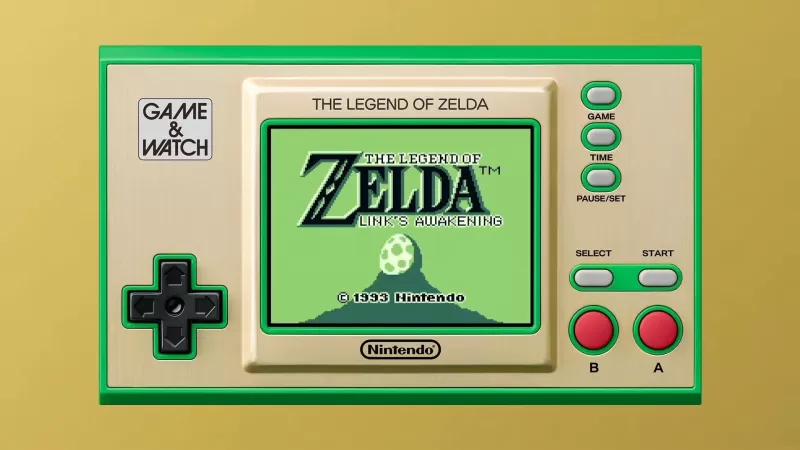 Nintendo ventured into the handheld market with Game & Watch devices, each featuring unique games. These devices sold over 40 million units worldwide, introducing innovations like the D-Pad, which are still relevant today. They were later reintroduced in limited editions to celebrate Mario and Zelda anniversaries.
Nintendo Entertainment System - October 18, 1985
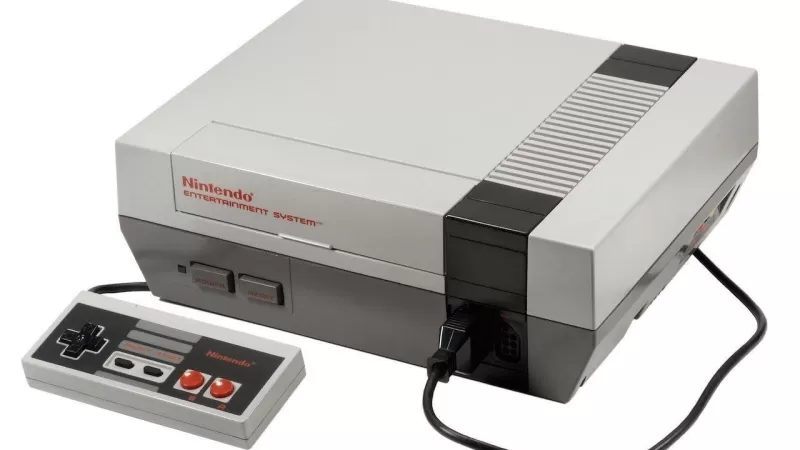 The Nintendo Entertainment System (NES), known as the Family Computer (Famicom) in Japan, revolutionized gaming with its cartridge system. It launched iconic franchises like Super Mario, The Legend of Zelda, and Metroid, cementing its place as a pivotal console in gaming history.
Game Boy - July 31, 1989
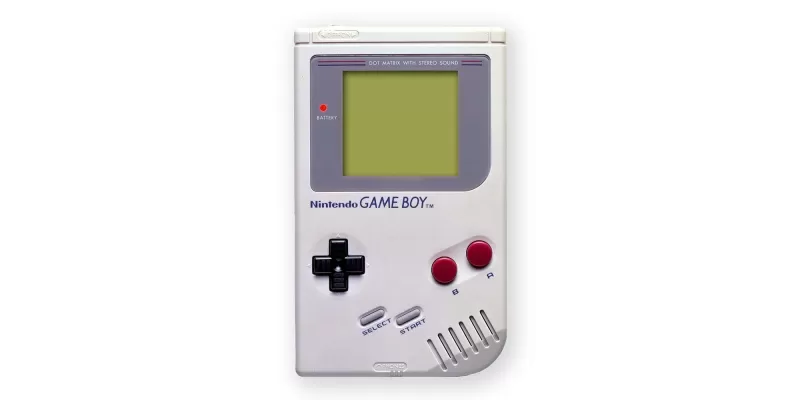 The Game Boy brought handheld gaming to new heights, introducing cartridge-based games. Its bundled game, Tetris, became synonymous with the console, marking a significant milestone in portable gaming.
Super Nintendo Entertainment System - August 23, 1991
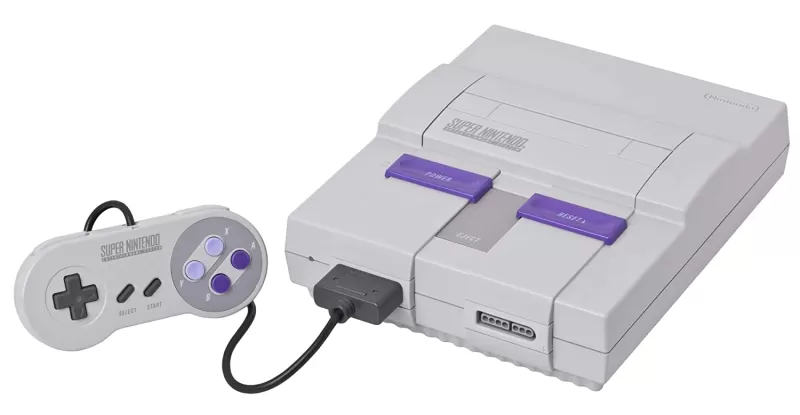 The Super Nintendo Entertainment System (SNES) introduced 16-bit graphics to Nintendo's lineup. It featured major evolutions of beloved series like Super Mario World and Donkey Kong Country, becoming the best-selling console of its era due to its compelling software and broad appeal.
Virtual Boy - August 14, 1995
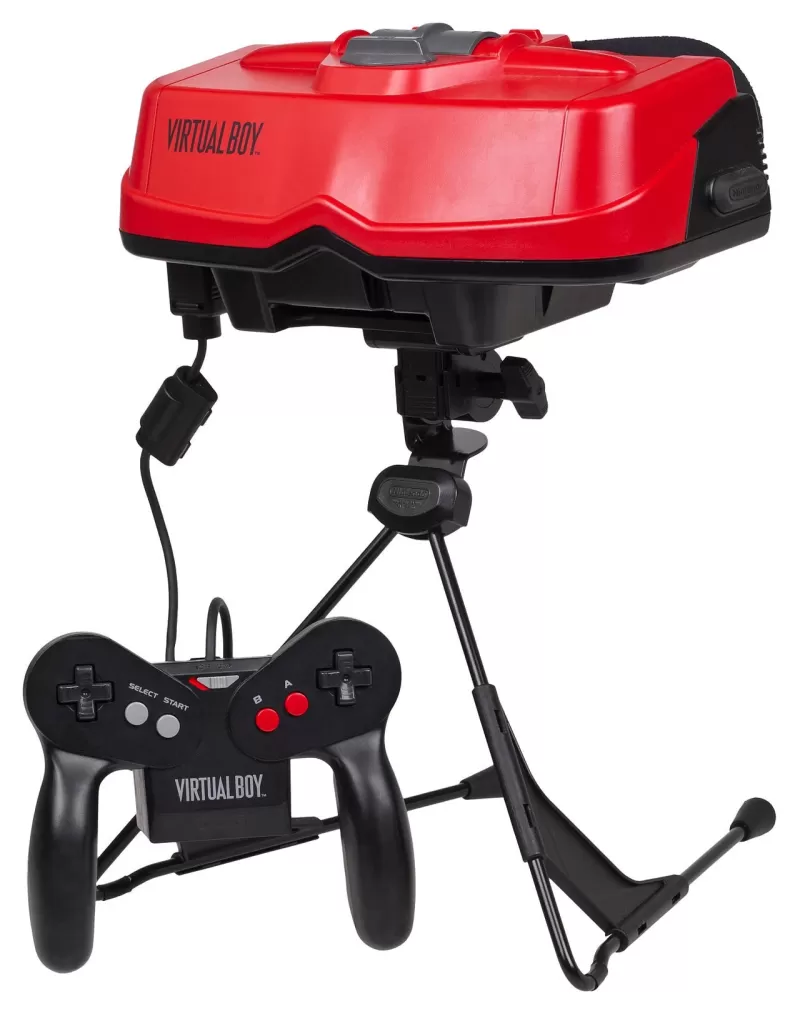 The Virtual Boy was Nintendo's bold experiment with 3D visuals in a portable format. Though short-lived, with only 22 games released, it remains a fascinating chapter in Nintendo's history.
Game Boy Pocket - September 3, 1996
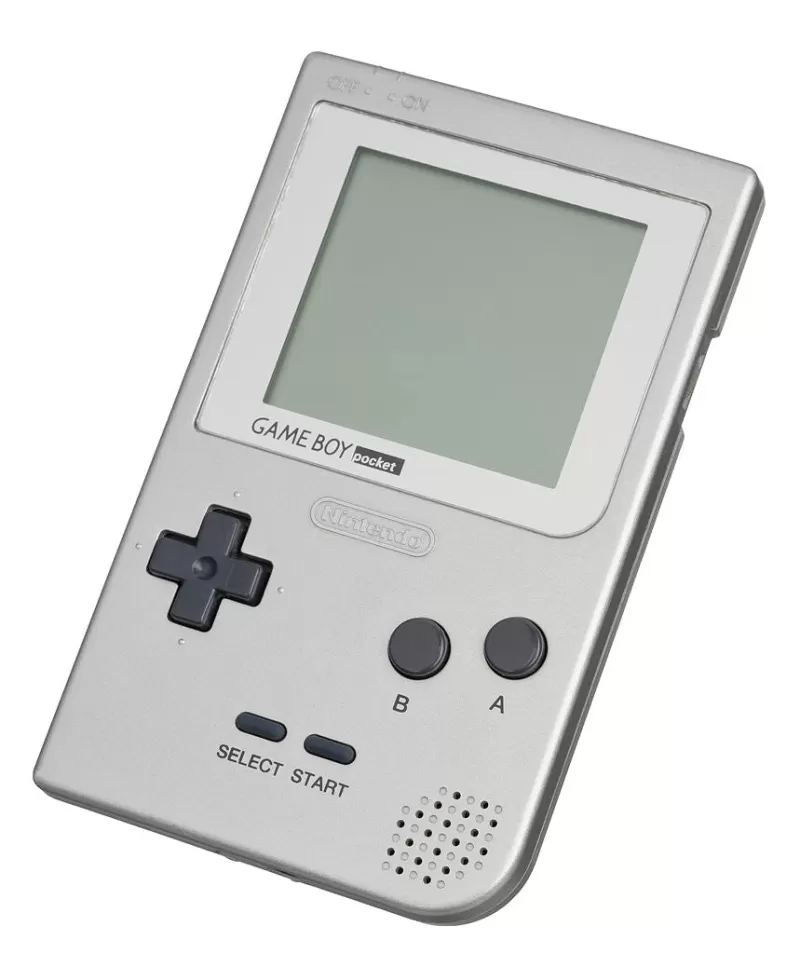 The Game Boy Pocket offered a smaller design with a sharper black-and-white screen, enhancing the original Game Boy's display. Despite its reduced size, it had a shorter battery life.
Nintendo 64 - September 29, 1996
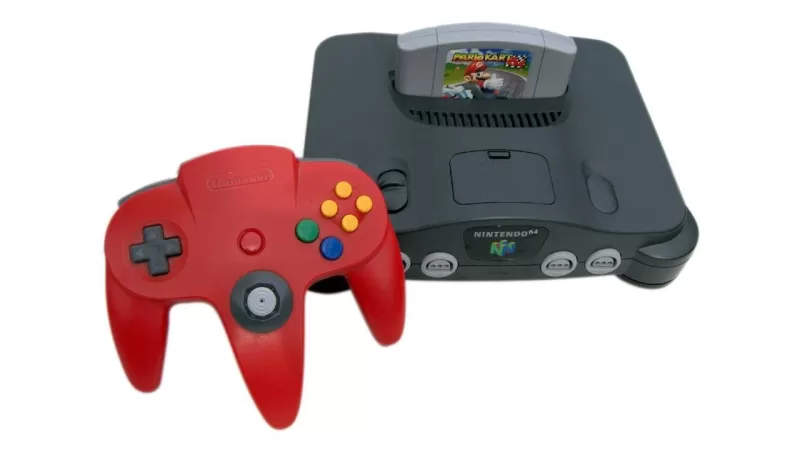 The Nintendo 64 brought 3D graphics to Nintendo's home consoles, introducing groundbreaking titles like Super Mario 64 and The Legend of Zelda: Ocarina of Time. Its innovative controller, with the first analog stick, marked a significant evolution in gaming.
Game Boy Light - April 14, 1998
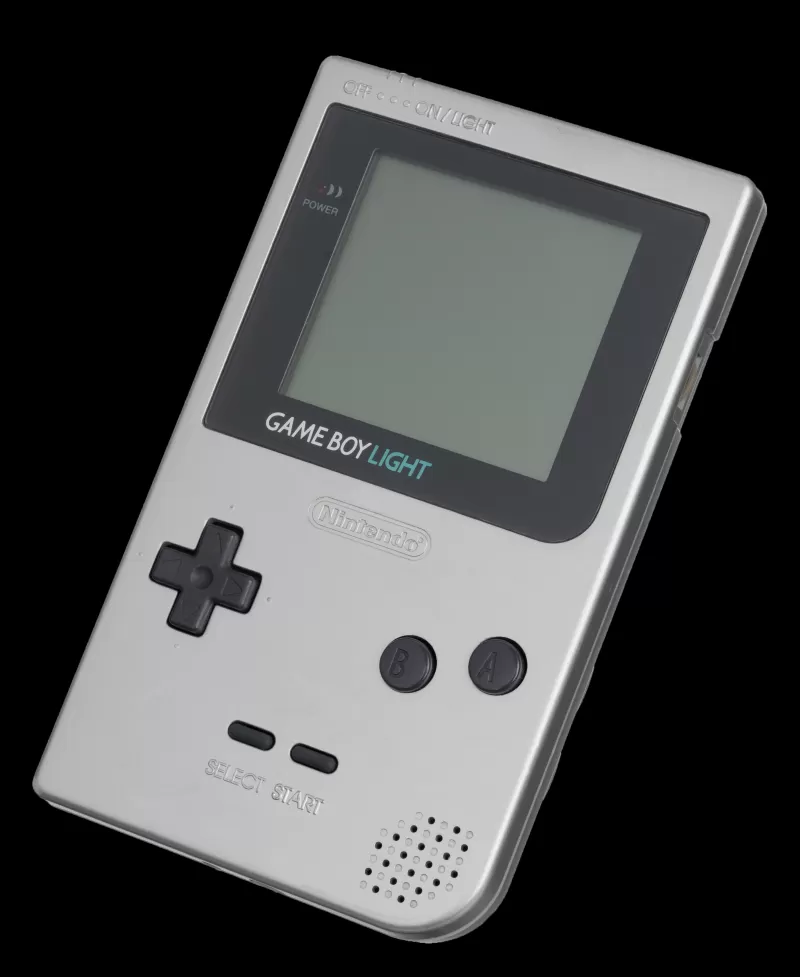 Exclusive to Japan, the Game Boy Light added a backlight for improved visibility in low-light conditions, offering a longer battery life than the Game Boy Pocket.
Game Boy Color - November 18, 1998
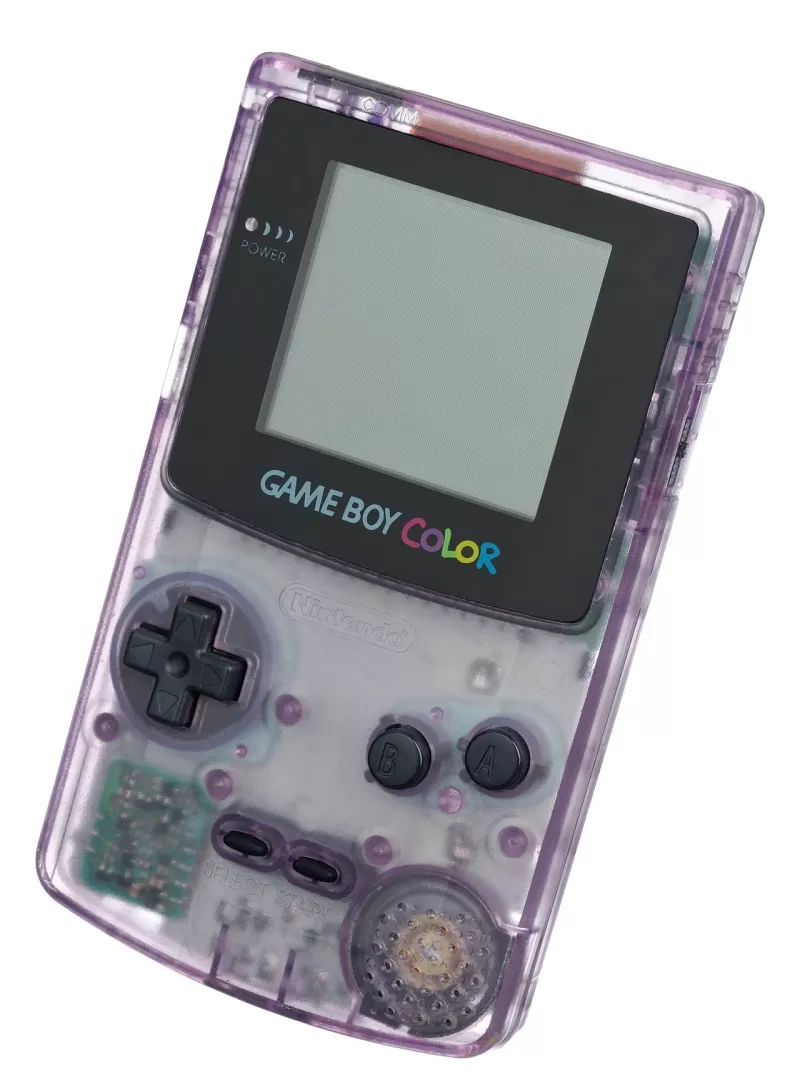 The Game Boy Color introduced color to Nintendo's handhelds, supporting both new color games and backwards compatibility with existing Game Boy titles, expanding the gaming experience.
Game Boy Advance - June 11, 2001
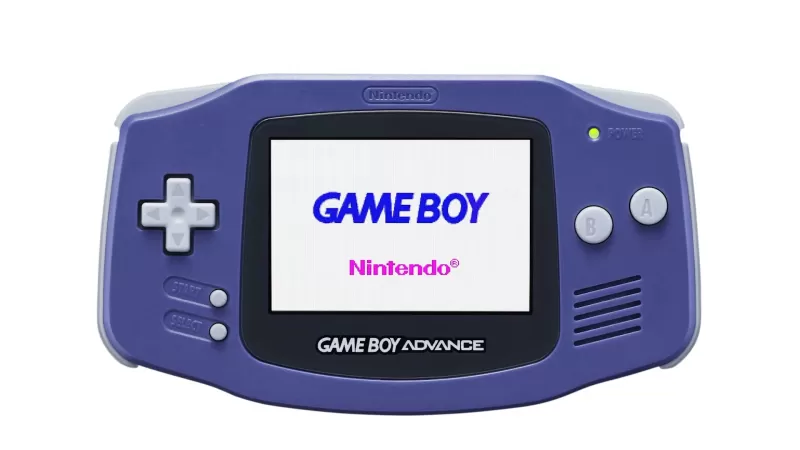 The Game Boy Advance represented a significant technological leap, featuring 16-bit graphics in a horizontal design. It was backwards compatible with previous Game Boy games, offering thousands of titles for players.
Pokémon mini - November 16, 2001

Nintendo GameCube - November 18, 2001
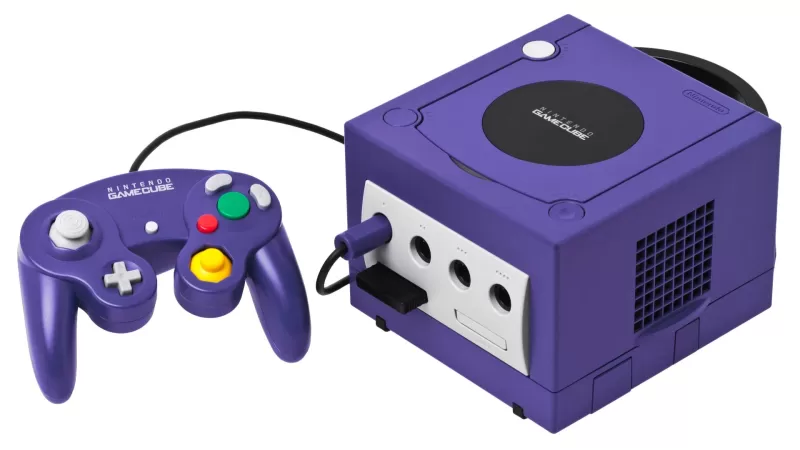 The Nintendo GameCube built upon the Nintendo 64's success, introducing sequels to popular franchises and using discs instead of cartridges. Its controller offered significant improvements, and its legacy lives on through popular series like Animal Crossing.
Panasonic Q - December 14, 2001
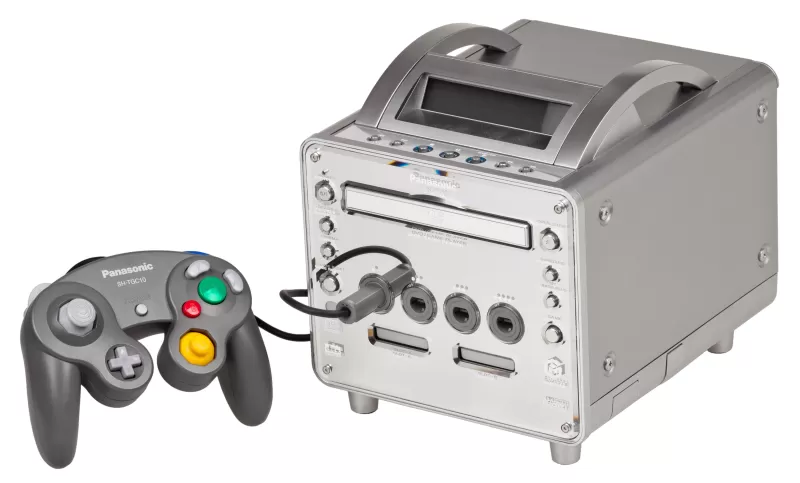 A collaboration with Panasonic, the Panasonic Q combined a GameCube with a DVD player. Its unique design and high price limited its market presence.
Game Boy Advance SP - March 23, 2003
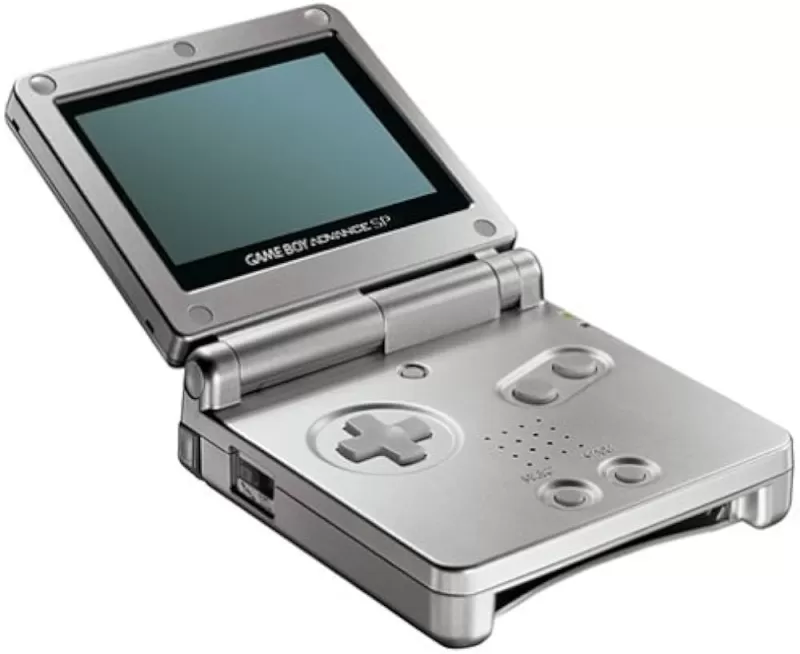 The Game Boy Advance SP featured a hinge design and a rechargeable battery, marking significant improvements over the original Game Boy Advance.
Nintendo DS - November 21, 2004
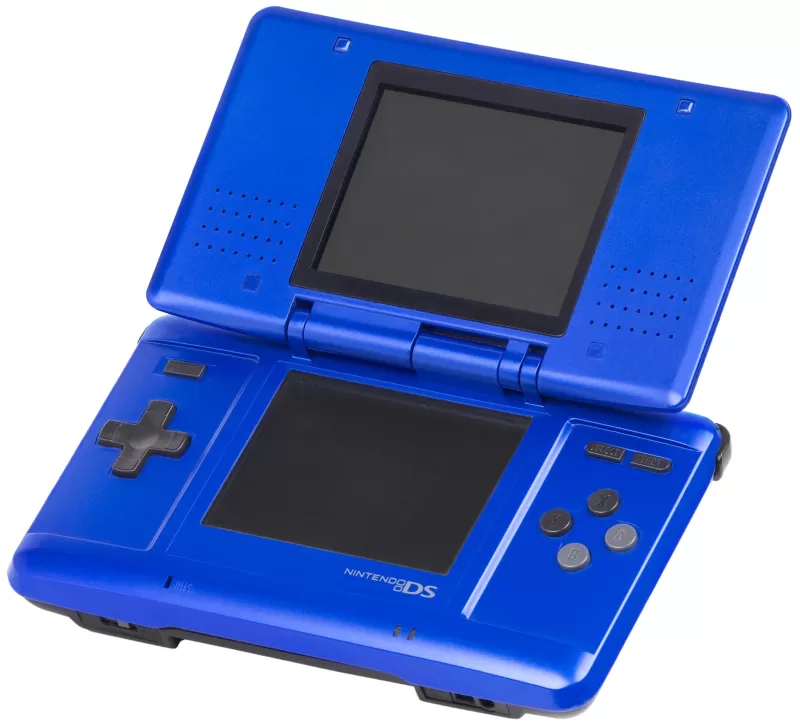 The Nintendo DS introduced Wi-Fi and a dual-screen design with a touchscreen, becoming Nintendo's best-selling console and offering unique gaming experiences.
Game Boy Micro - September 19, 2005
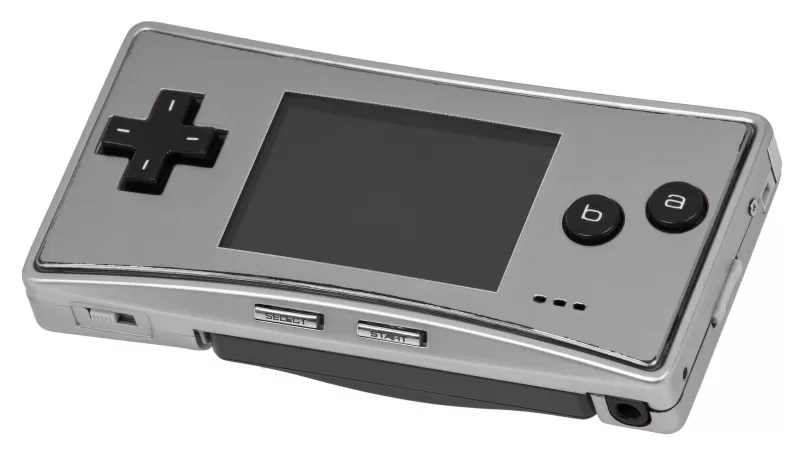 The Game Boy Micro's small size and backlit screen made it a standout revision, though its market life was short.
Nintendo DS Lite - June 11, 2006
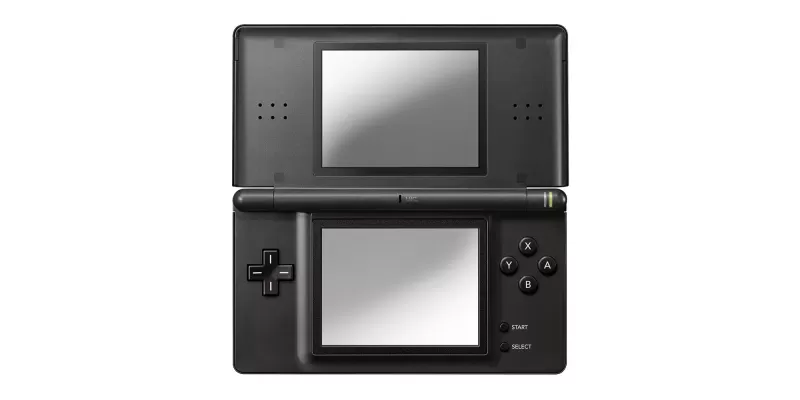 The Nintendo DS Lite offered a slimmer, lighter design with brighter screens and improved battery life, enhancing the original DS experience.
Nintendo Wii - November 19, 2006
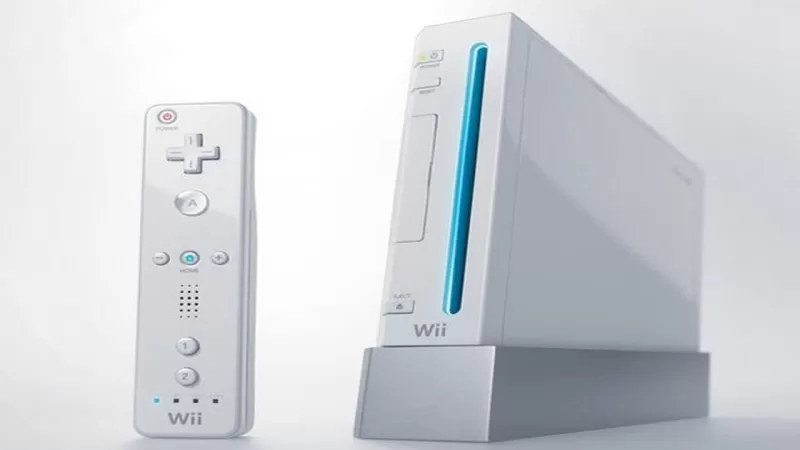 The Nintendo Wii revitalized the home console market with its motion controls, introducing the Wii Remote and accessories like the Nunchuk. Its Virtual Console allowed digital downloads of classic games.
Nintendo DSi - November 1, 2008
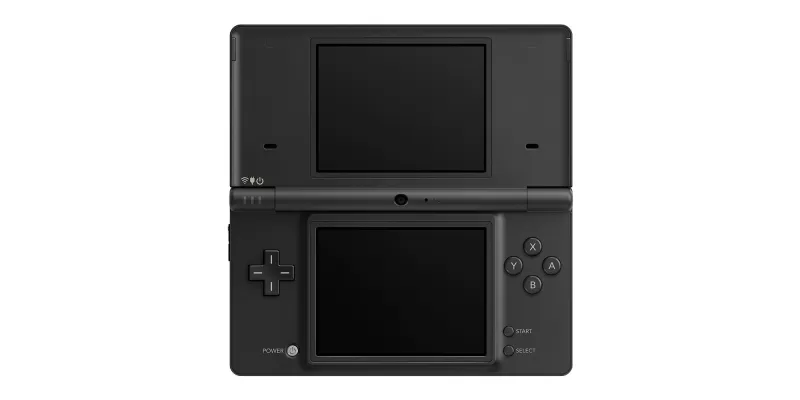 The Nintendo DSi added cameras and an SD card slot, but removed the Game Boy Advance slot, marking a shift in the DS line's design.
Nintendo DSi XL - November 21, 2009
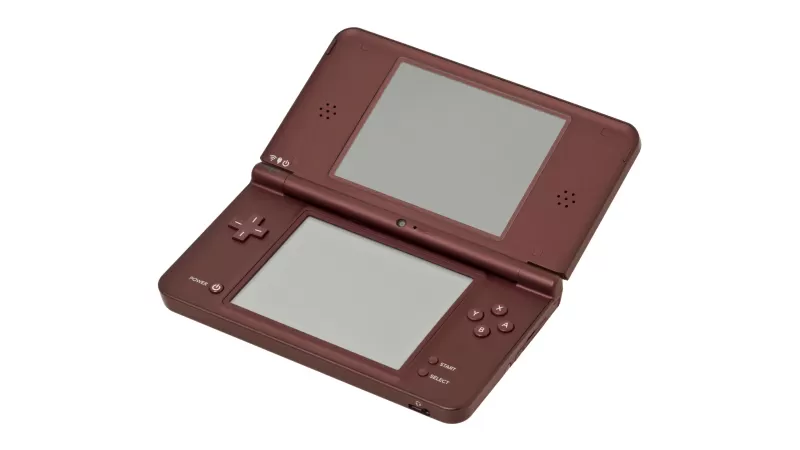 The Nintendo DSi XL offered larger screens and improved sound, enhancing the gaming experience.
Nintendo 3DS - March 27, 2011
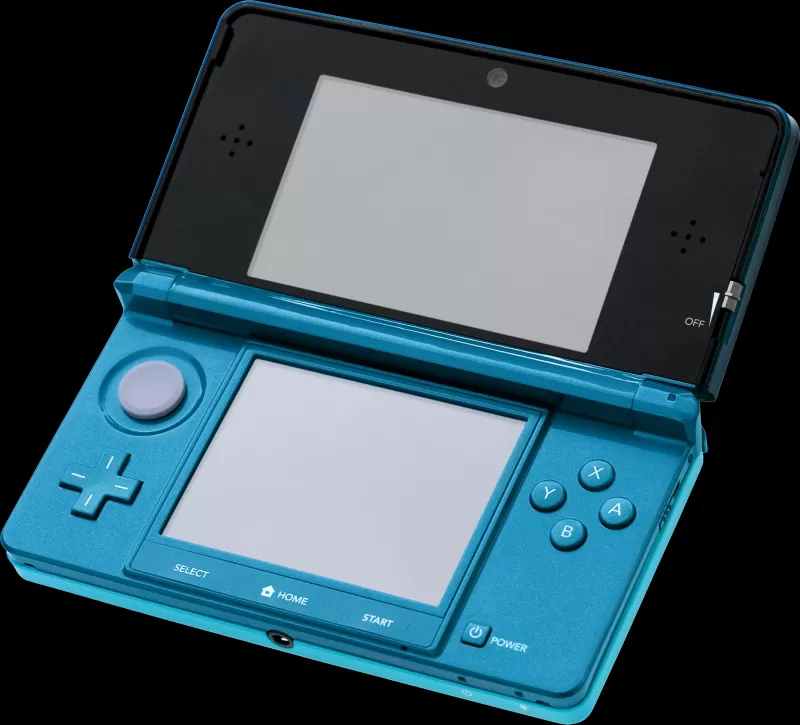 The Nintendo 3DS introduced 3D gaming without glasses, featuring stereoscopic technology. It offered a rich library including titles like The Legend of Zelda: A Link Between Worlds.
Nintendo 3DS XL - August 19, 2012
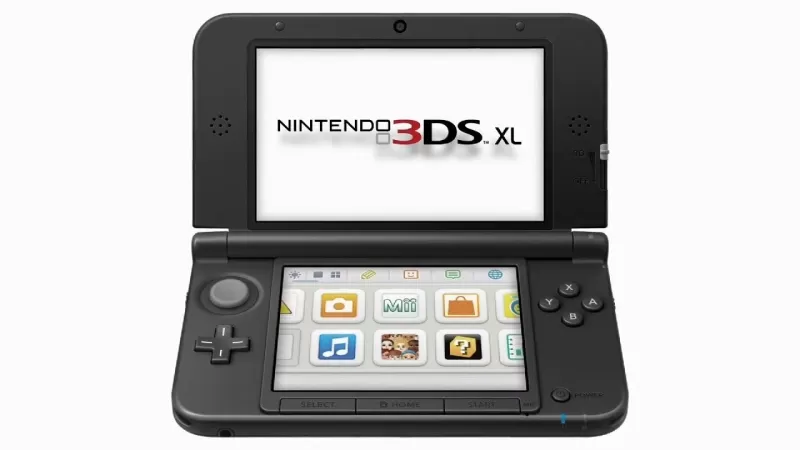 The Nintendo 3DS XL provided larger screens, enhancing the visual experience of 3DS games.
Nintendo Wii U - November 18, 2012
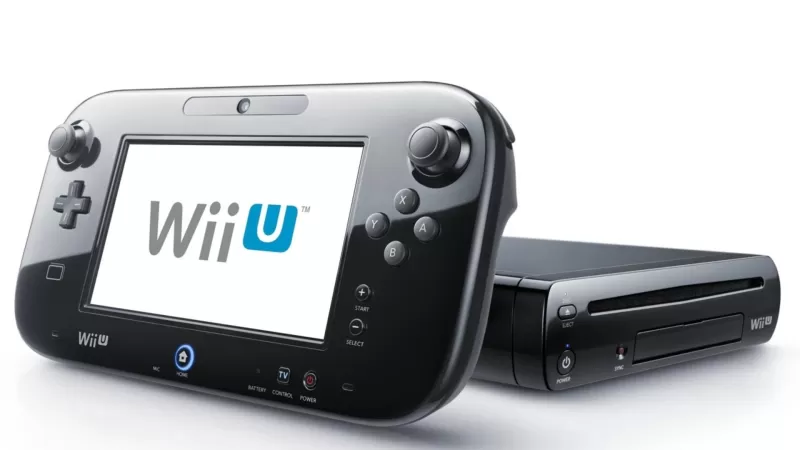 The Nintendo Wii U introduced the GamePad controller with a screen, supporting HD gaming and backwards compatibility with Wii titles. Despite its innovative features, it faced challenges with marketing and sales.
Nintendo Wii Mini - December 7, 2012
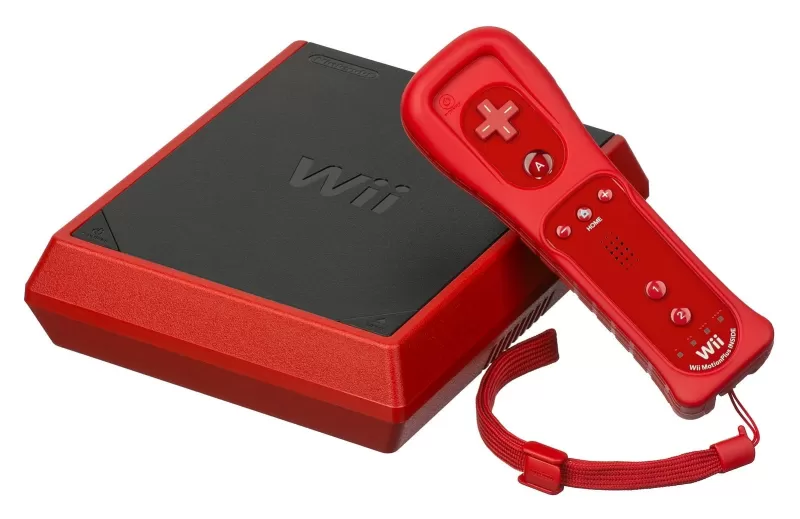 The Nintendo Wii Mini was a smaller, lighter version of the Wii, released at the end of its lifecycle with limited features.
Nintendo 2DS - October 12, 2013
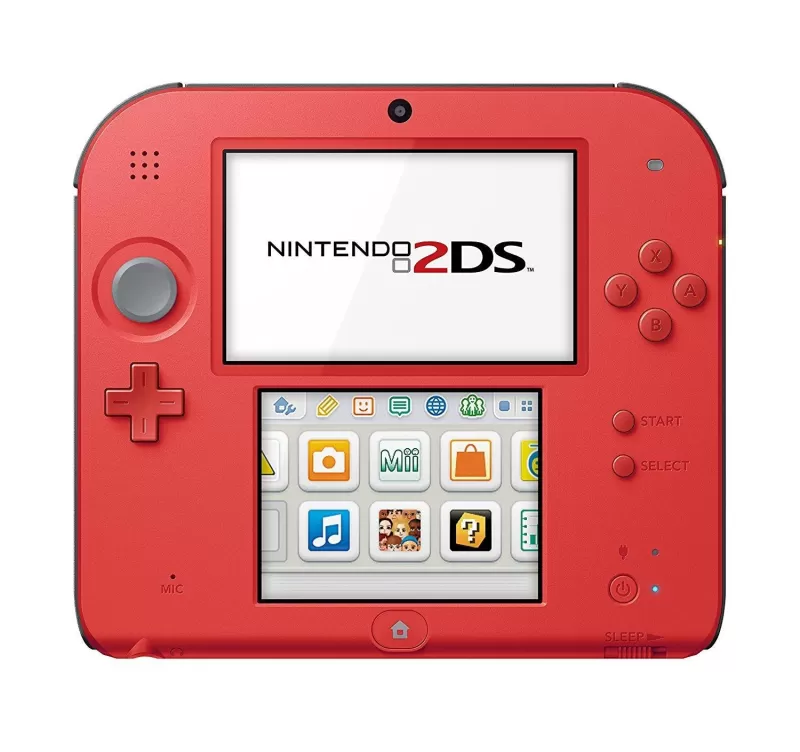 The Nintendo 2DS offered 2D gaming at a lower price point, sacrificing 3D capabilities and sound quality but retaining all other 3DS features.
New Nintendo 3DS - October 11, 2014
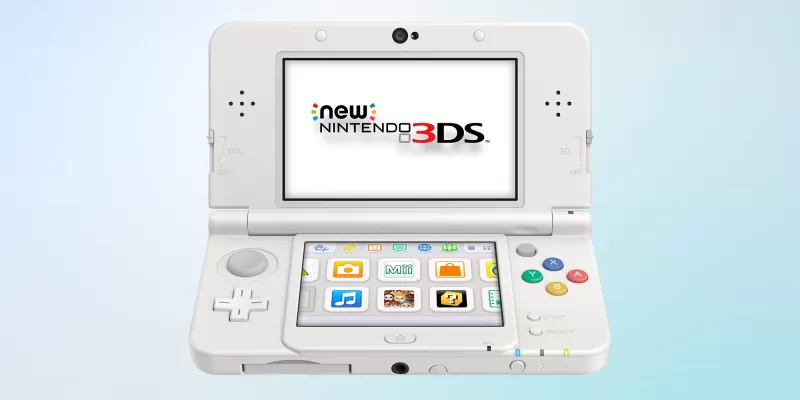 The New Nintendo 3DS introduced new controls and amiibo support, enhancing the 3DS experience.
New Nintendo 3DS XL - February 13, 2015
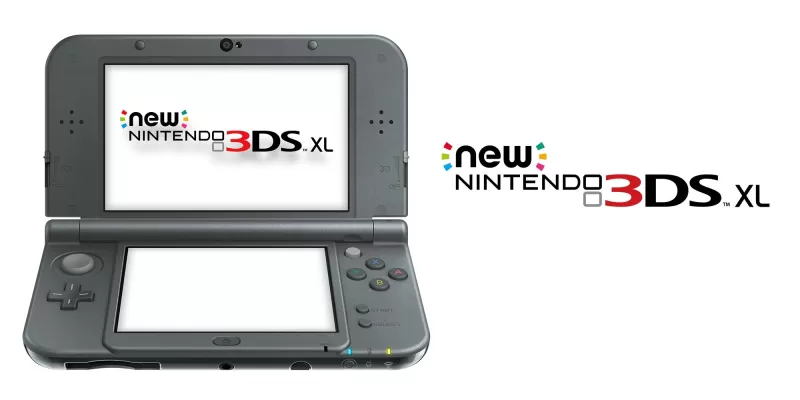 The New Nintendo 3DS XL featured larger screens but removed the ability to change face plates, offering various special editions.
Nintendo Switch - March 3, 2017
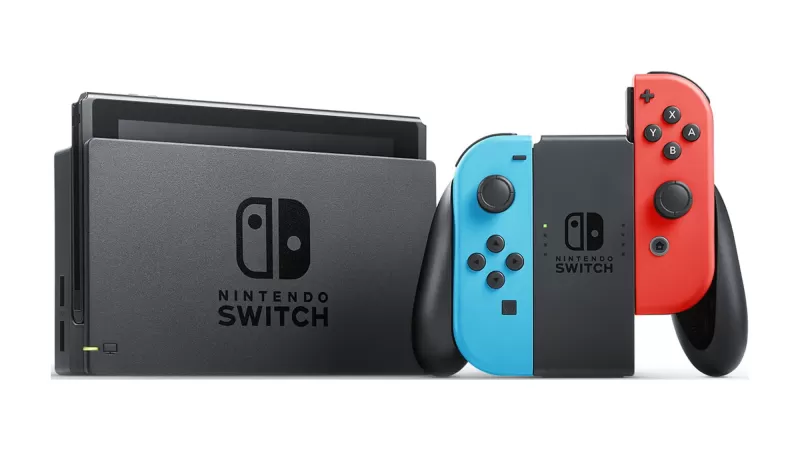 The Nintendo Switch combined home and portable gaming, featuring a robust library of first-party titles and multiple special editions.
New Nintendo 2DS XL - July 28, 2017
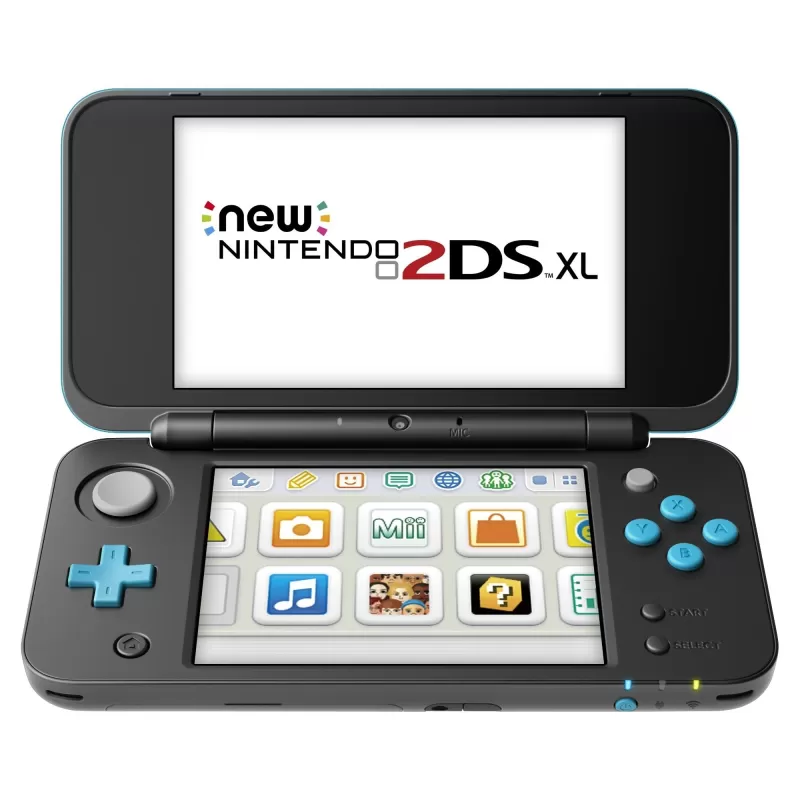 The New Nintendo 2DS XL added an analog stick and amiibo support, returning to the clamshell design and supporting New 3DS titles.
Nintendo Switch Lite - September 20, 2019
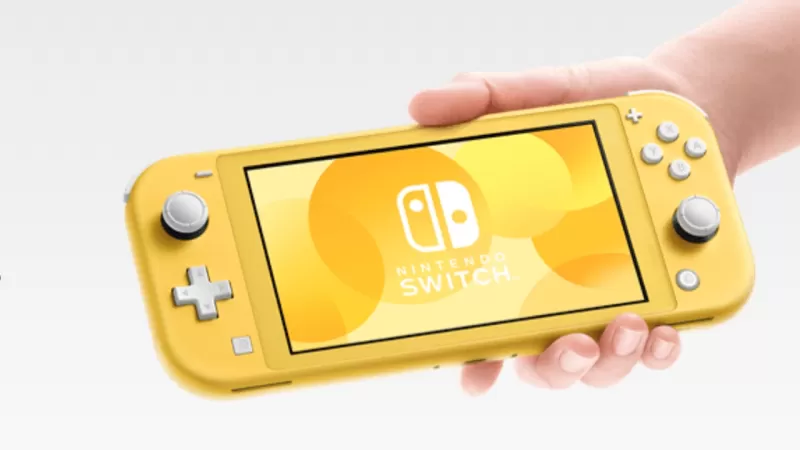 The Nintendo Switch Lite offered a smaller, handheld-only version of the Switch at a reduced price, without detachable Joy-Cons.
Nintendo Switch OLED model - October 8, 2021
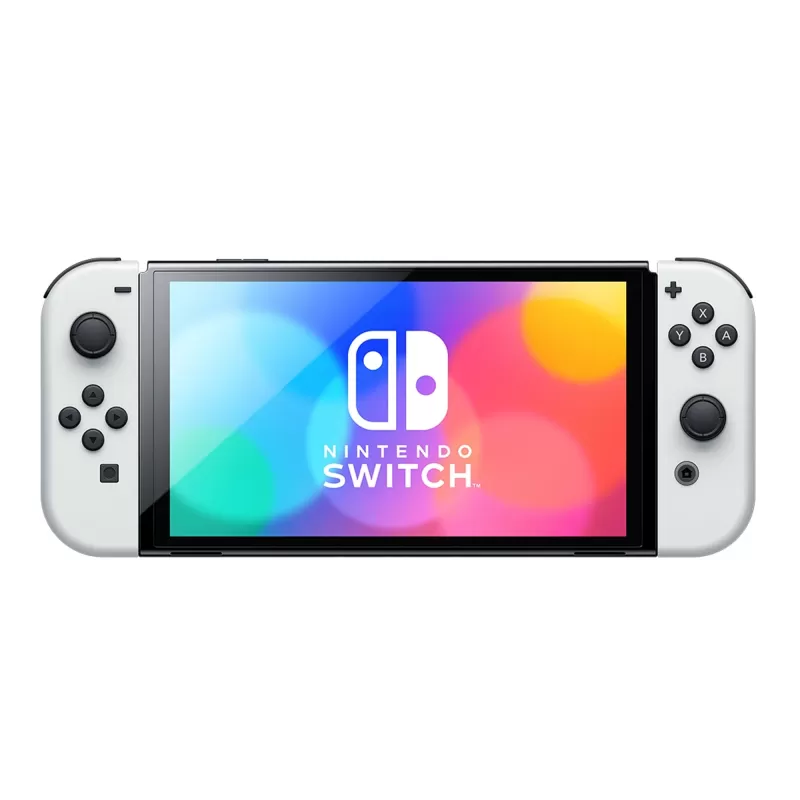 The Nintendo Switch OLED model featured a larger OLED screen, enhanced speakers, and a new dock with a LAN port, debuting alongside Metroid Dread.
Upcoming Nintendo Consoles
After a flurry of leaks and rumors, Nintendo has officially announced the Nintendo Switch 2. The reveal trailer showcased a new way to attach Joy-Cons, a larger screen, and a second USB-C port. It also hinted at using Joy-Con as a mouse and introduced what appears to be a new Mario Kart with 24-player support. The console promises to be "mostly" backward compatible and will support both physical and digital games.
Analysts estimate the Switch 2 will be priced around $400. While more details, including a release date, are expected in an upcoming Nintendo Direct scheduled for April 2, the excitement for what's next from Nintendo continues to build.
 Latest Downloads
 Downlaod


 Top News