
Ubisoft has once again activated the Animus, this time transporting us to the heart of Japan's Sengoku Period with Assassin’s Creed Shadows. This latest installment features historical icons like Fujibayashi Nagato, Akechi Mitsuhide, and Yasuke, the African samurai who served Oda Nobunaga. As with previous entries in the series, these historical figures are intricately woven into a narrative that blends fact and fiction, creating a captivating tale of revenge, betrayal, and murder. The game even humorously suggests that Yasuke had to slay foes to gather enough XP to wield a gold-tier weapon, showcasing the playful nature of Assassin's Creed's storytelling.
It's crucial to understand that Assassin’s Creed is firmly rooted in the realm of historical fiction. Its core concept revolves around filling historical gaps with a sci-fi conspiracy narrative about a secret society aiming to dominate the world using the mystical powers of a pre-human civilization. While Ubisoft meticulously crafts open-world environments based on extensive research, these games are not intended as history lessons. The developers freely adjust historical facts to enhance the narrative, creating a rich tapestry of alternate history.
Here are ten notable instances where Assassin’s Creed has creatively rewritten history:
The Assassins vs Templars War
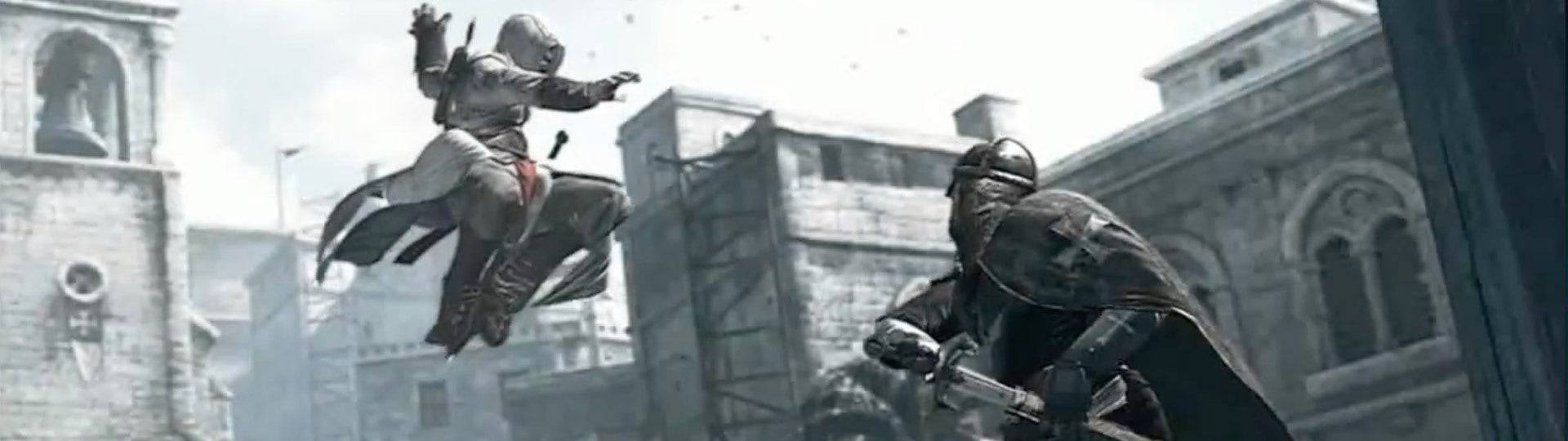
Let's address this first: there's no historical evidence that the Order of Assassins ever waged war against the Knights Templar. The conflict between these two groups is entirely fictional, drawing inspiration from equally fictional conspiracy theories about the Templars. The Assassins were established in 1090 AD, and the Templars in 1118, both disbanding around 1312. Their only shared involvement was in the Crusades, aligning with the setting of the first Assassin’s Creed game. While there might have been minor interactions between them, no evidence suggests ideological opposition.
The Borgias and their Superpowered Pope
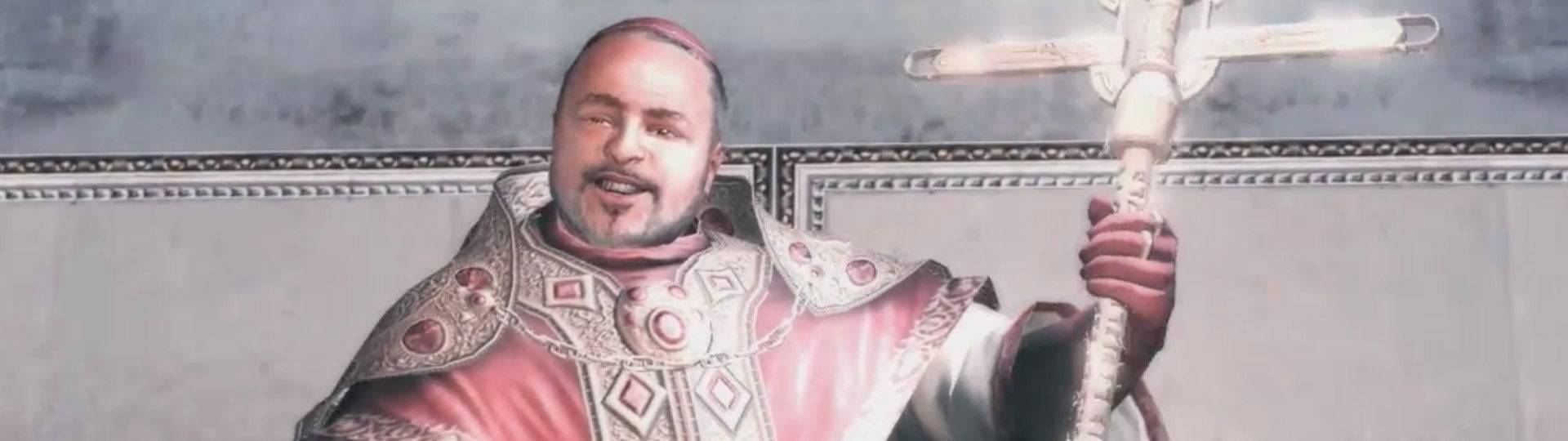
Assassin’s Creed 2 and Brotherhood center on Ezio’s battle against the Borgia family. In the game, Cardinal Rodrigo Borgia, later Pope Alexander VI, is portrayed as the Grand Master of the Templar Order. However, the Templars did not exist during the late 1400s, and the narrative of Borgia seeking the magical Apple of Eden to control humanity is pure fiction. The depiction of the Borgias as Renaissance-era villains is also exaggerated; while they were embroiled in scandal, Cesare Borgia's portrayal as an incestuous psychopath is unsupported by historical evidence, though such rumors did circulate.
Machiavelli, Enemy of the Borgias
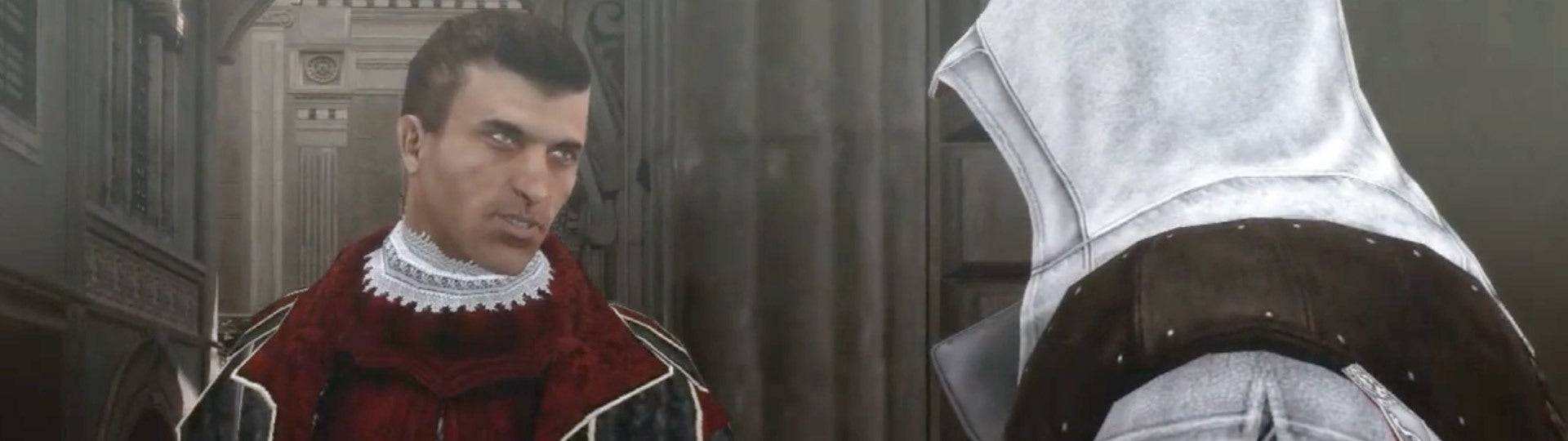
In Assassin’s Creed 2 and Brotherhood, Niccolò Machiavelli is shown as Ezio’s ally and leader of the Italian Assassins. However, Machiavelli's real-life philosophies of strong governance clash with the Assassin’s Creed of opposing authority. Furthermore, he had a more nuanced view of the Borgias; he saw Rodrigo as a successful deceiver and admired Cesare as a model ruler, serving as a diplomat in his court. Ubisoft's portrayal of Machiavelli as an Assassin against the Borgias significantly deviates from historical reality.
The Incredible Leonardo da Vinci and his Flying Machine
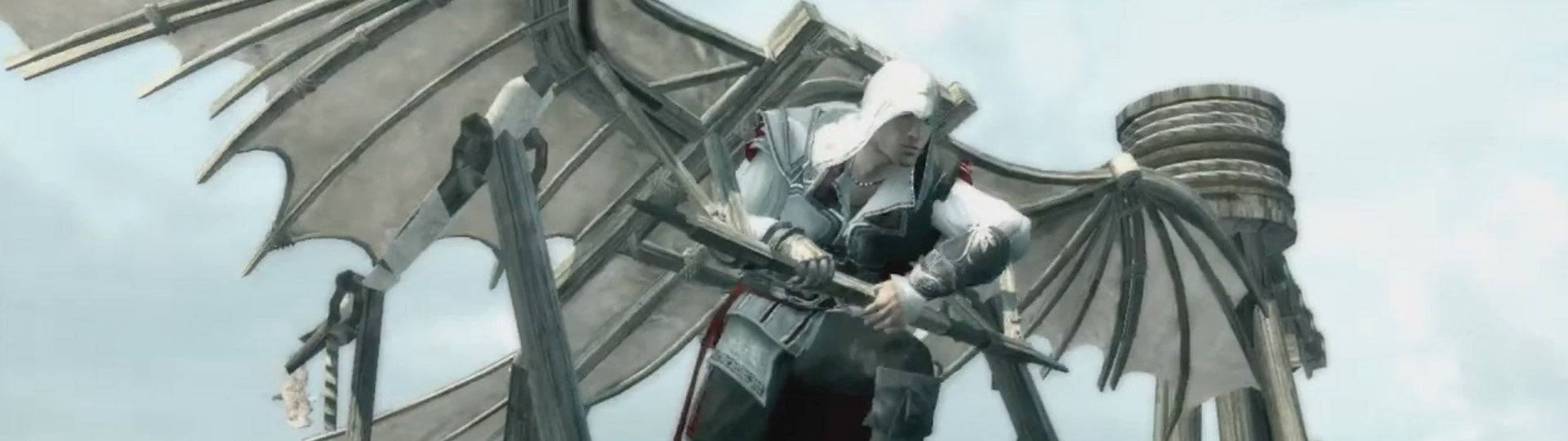
Assassin’s Creed 2's depiction of Leonardo da Vinci captures his charisma and wit accurately, but his movements in the game do not match historical records. In reality, Leonardo moved from Florence to Milan in 1482, not Venice as shown in the game. While the game brings to life da Vinci's futuristic designs like the machine gun and tank, the most imaginative element is the flying machine Ezio uses. Though da Vinci did design such machines, there's no evidence they ever flew.
The Bloody Boston Tea Party
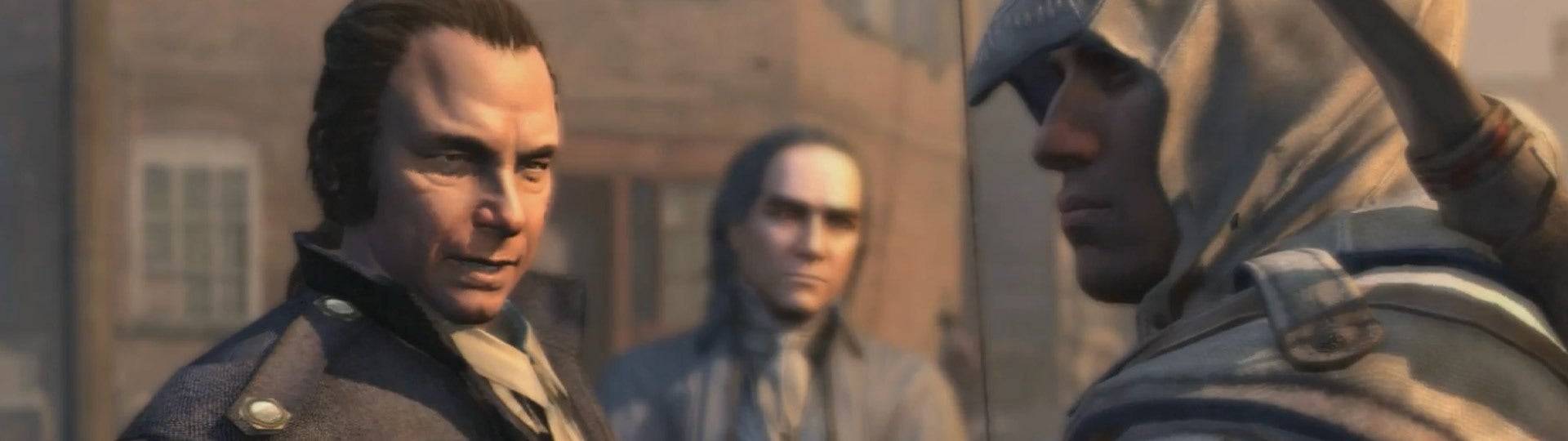
The Boston Tea Party, a key event in the American Revolution, was a non-violent protest where tea was dumped into Boston Harbor. Assassin’s Creed 3, however, turns it into a violent affair with protagonist Connor, the only one in Native American attire, killing multiple British guards. This significantly alters the historical event, suggesting a more aggressive mob action. Additionally, the game attributes the protest's organization to Samuel Adams, despite historians debating his level of involvement.
The Lone Mohawk

Assassin’s Creed 3's protagonist, Connor, a Mohawk, fights alongside the Patriots against the British, which contradicts historical alliances. The Mohawk people were actually allied with the British, who they believed would protect their lands from American colonists. Connor's alignment with the Patriots would have been seen as a betrayal by his people. While rare cases like Louis Cook, a Mohawk who fought with the Patriots, exist, Connor's story is a "what if" scenario that Assassin’s Creed explores.
The Templar Revolution
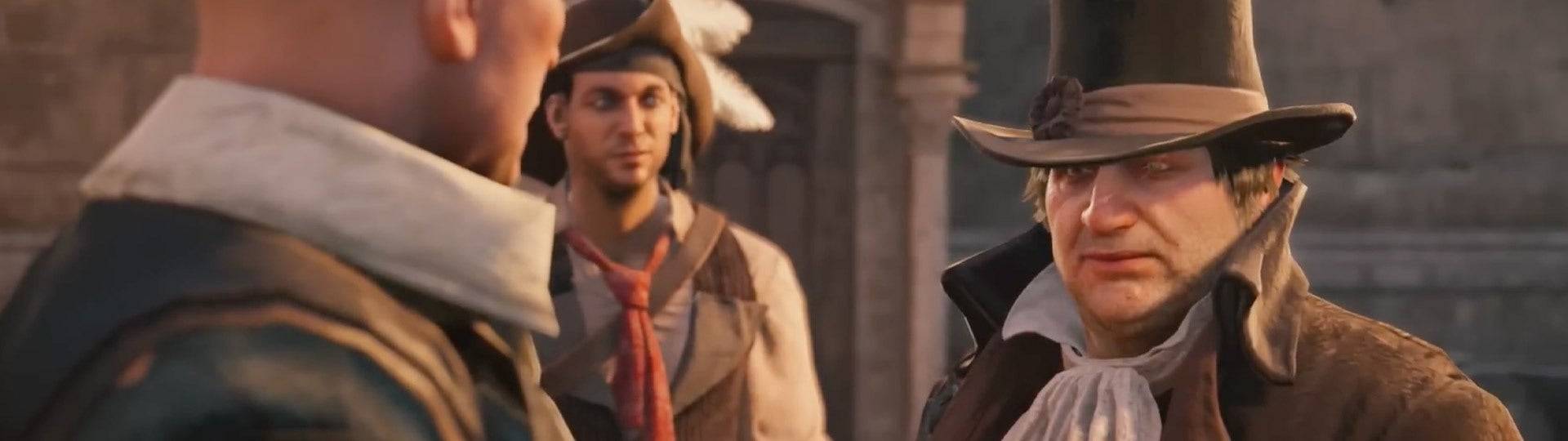
Assassin’s Creed Unity's portrayal of the French Revolution suggests it was orchestrated by Templars, framing the monarchy and aristocracy as victims of a conspiracy. The game attributes the food crisis that sparked the revolution to Templar machinations, but historically, it resulted from natural disasters. Unity also simplifies the Reign of Terror as the entire revolution, ignoring its multifaceted nature. Such a portrayal implies a level of control over historical events that no group, Templar or otherwise, could realistically achieve.
The Controversial Killing of King Louis 16

The execution of King Louis 16 is central to Assassin’s Creed Unity's narrative of the French Revolution. The game dramatizes the vote on his execution as being decided by a single Templar vote, suggesting controversy and division. In reality, the vote was a clear majority at 394 to 321 in favor of execution. Unity's soft portrayal of the French aristocracy and minimal focus on King Louis' attempted escape and counter-revolutionary plans further deviate from historical accuracy.
Jack the Assassin

Assassin’s Creed Syndicate reimagines Jack the Ripper as a rogue Assassin who seizes control of the London Brotherhood. Trained by Jacob Frye, Jack becomes disillusioned and transforms the organization into a criminal gang. The game's narrative of initiates disguised as prostitutes failing to kill him before Evie Frye intervenes is a creative twist on the unsolved mystery of Jack the Ripper's identity and crimes.
The Assassination of the Tyrant Julius Caesar

The assassination of Julius Caesar, a pivotal moment in history, is reimagined in Assassin’s Creed Origins. The game frames Caesar as a proto-Templar whose death is necessary to prevent global tyranny. This portrayal overlooks Caesar's actual reforms, such as land redistribution for the poor. The game's depiction of Caesar's assassination as a victory over tyranny is ironic, as historically, it led to the Liberators' Civil War and the eventual rise of the Roman Empire, contradicting the conspirators' goals.
The teams behind Assassin’s Creed meticulously craft immersive historical settings, yet these are often more authentic than accurate. This is perfectly acceptable, as the series thrives on historical fiction rather than factual documentation. What are your favorite instances of Assassin’s Creed bending history? Share your thoughts in the comments below.
 Latest Downloads
 Downlaod




 Top News