
Twenty years after the enchanting world of Ōkami first graced our screens, the revered goddess Amaterasu, the embodiment of all that is good and the nurturing force behind life itself, is set to return in a much-anticipated sequel. Revealed at last year's Game Awards, this sequel is being crafted under the visionary direction of Hideki Kamiya, who has recently embarked on a new journey by founding Clovers after parting ways with Platinum Games. With the blessing of IP holder Capcom, who will publish the game, and the technical support of Machine Head Works, a studio comprised of Capcom veterans instrumental in the Ōkami HD remake, the project promises to blend the wisdom of the original team with fresh perspectives.
While the teaser trailer stirred emotions and showcased the talent behind the sequel, specifics about the game's plot and mechanics have been scarce. Is it a direct continuation of the original story, or does it venture into new territories? Who spearheaded this revival, and how did it come to fruition after such a long hiatus? And crucially, was that truly Amaterasu in the trailer, or just a wolf that resembles her?
Recently, IGN had the privilege of visiting the Ōkami sequel's development team in Osaka, Japan. In a detailed two-hour interview with director Hideki Kamiya, Capcom producer Yoshiaki Hirabayashi, and Machine Head Works producer Kiyohiko Sakata, we delved deep into the heart of the project.
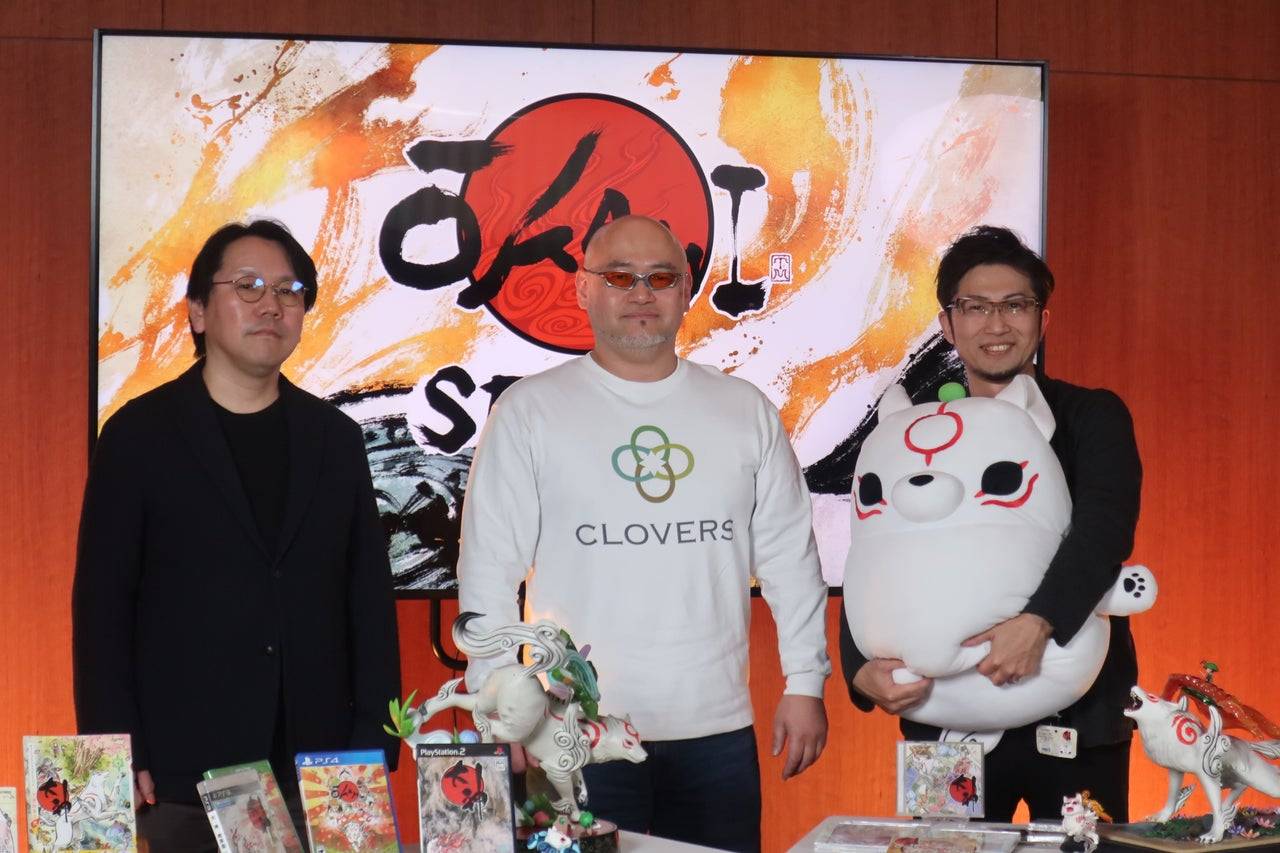
Here's the comprehensive Q&A from that interview, edited for clarity:
IGN: Kamiya-san, you've discussed your departure from PlatinumGames, mentioning a shift in the company's direction away from your personal vision. What core beliefs do you hold about game development, and how do these beliefs shape the direction of Clovers?
Hideki Kamiya: It's a complex issue. I left PlatinumGames in September 2023 after 16 years because the company was moving in a direction that diverged from my vision. I can't go into specifics, but the essence of game creation is deeply tied to the personality of its creators, which directly impacts the player's experience. My aim was to establish an environment where I could pursue my vision freely, leading to the creation of Clovers. This decision came after leaving Platinum, as I conversed with like-minded individuals about forming a new development space.
What defines a Hideki Kamiya game? How would someone recognize your touch in a game without knowing you developed it?
Kamiya: Defining a "Kamiya game" isn't about branding my name on it. It's more about crafting a unique experience that players haven't encountered before. My focus is on delivering a novel way for players to enjoy the game, which I strive to achieve throughout the development process.
What is the connection between Clovers and Clover Studio, if any? Does the clover plant hold special meaning for you?
Kamiya: The name Clovers is a continuation of Clover, a studio I was proud to be part of. Clover was the fourth development division at Capcom, symbolized by the four-leaf clover. The name also plays on "C-lover," with the "C" standing for creativity, which is at the heart of our studio's ethos. Our logo reflects this with four "C"s forming a clover.
Capcom is heavily involved in this project. Did you envision a close partnership with Capcom even before the Ōkami sequel came into the picture when you were founding Clovers?
Yoshiaki Hirabayashi: From Capcom's perspective, we always cherished the Ōkami IP and hoped for a sequel. When Kamiya left Platinum, it sparked the opportunity to revive the project. Our discussions began then, driven by our shared love for the franchise and the vision of its original director, Kamiya.
Tell us the story behind the Ōkami sequel. Why Ōkami, and why now? How did this project come about, and who convinced whom?
Hirabayashi: We've been seeking the right moment to continue Ōkami's story. The necessary elements aligned when Kamiya left Platinum, offering a chance to bring his vision to life.
Kamiya: I've always wanted to complete the story of Ōkami. Even while at Platinum, I discussed this dream casually with friends, including Capcom producer Jun Takeuchi. My departure from Platinum allowed me to turn this dream into reality.
Kiyohiko Sakata: As a former Clover member, Ōkami was a significant IP for us. This project feels like the perfect timing, with all elements aligned to move forward.
Can you introduce Machine Head Works to our readers and explain its role in the Ōkami sequel?
Sakata: Machine Head Works is a recently established studio, born from M-Two, which closely collaborates with Capcom. Our roots trace back to Capcom's fourth division, where Kamiya and I started. We serve as a bridge between Capcom and Clovers, leveraging our experience with Capcom's RE Engine and our involvement in previous Ōkami projects to support the sequel's development.
Hirabayashi: Machine Head Works has been invaluable, having assisted with the PS4 port of Ōkami and recent titles like Resident Evil 3 and 4 using the RE Engine.
Why choose the RE Engine for the Ōkami sequel? Are there specific advantages that align with your vision for the game?
Hirabayashi: [Laughs] Yes, without the RE Engine, we wouldn't be able to fulfill Kamiya's artistic vision for this project. Though we can't divulge much at this stage, the engine's capabilities are crucial for delivering the quality expected by fans.
Kamiya: The RE Engine is renowned for its expressive power, which we believe will meet the high expectations set for this game.
Given Ōkami's initial commercial performance, why has Capcom remained committed to the franchise for so long?
Hirabayashi: Ōkami has a dedicated fanbase within Capcom's community. Despite its age, it continues to attract players, evidenced by its steady sales. It's a unique IP that has resonated with millions over the years.
Kamiya: Initially, we underestimated Ōkami's reach. But over time, through re-releases and fan feedback, we've seen its enduring appeal. The enthusiastic response to the sequel announcement at the Game Awards was truly heartwarming.
With such a talented team assembled, are there plans to involve other former Clover members in the sequel?
Kamiya: Several original Ōkami team members are contributing through Machine Head Works. We're not naming names yet, but the current team is more robust than before, thanks to modern development practices and the addition of skilled individuals.
Kamiya-san, you mentioned in an interview with Ikumi Nakamura that you wished for a stronger team the first time around. Has this been addressed for the sequel?
Kamiya: Yes, while development is unpredictable, the stronger team we've assembled increases our chances of success. We're always open to welcoming more talented individuals.
Did any of you replay the original Ōkami around the time of the sequel announcement?
Hirabayashi: I reviewed the artbook DVD, but didn't have time to play the game.
Kamiya: I was unaware of that DVD's existence.
Sakata: My daughter recently played the Switch version. Its guidance system made it accessible to her, despite its age.
Hirabayashi: My daughter enjoyed the Switch version, seeing it as a beautiful, inspiring game, which highlighted its appeal to all ages.
Looking back on the original, what are you most proud of, and what do you want to replicate in the sequel?
Kamiya: My hometown in Nagano inspired Ōkami's natural beauty. The game's story, with its balance of beauty and darkness, is something I want to explore further in the sequel. It's a narrative that resonates with players of all ages.
How has game development and technology evolved since the original Ōkami, and how will this influence the sequel?
Sakata: The original Ōkami aimed for a hand-drawn style, which was challenging on the PS2. Today's technology, including the RE Engine, allows us to achieve and surpass our original artistic goals.
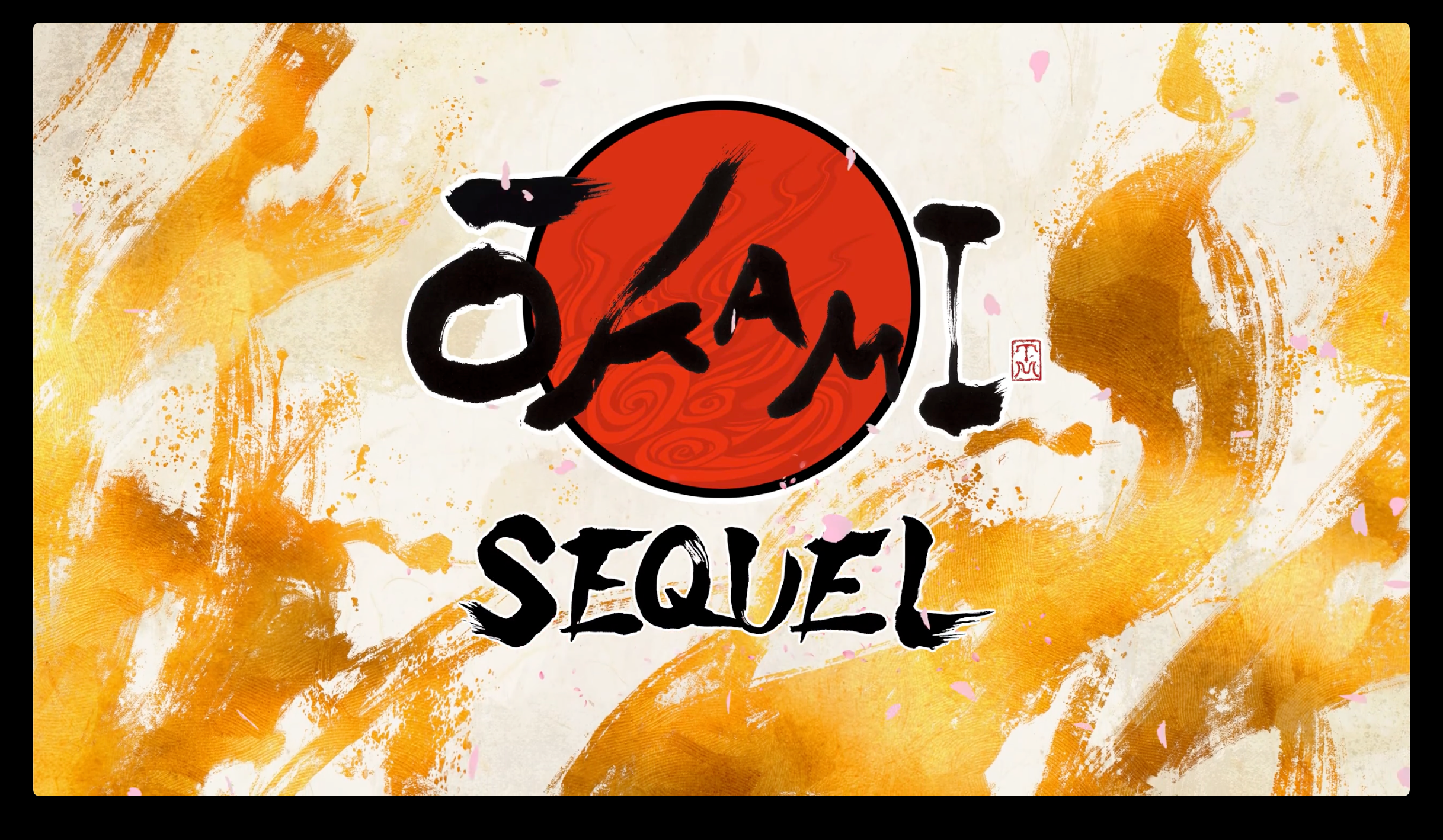
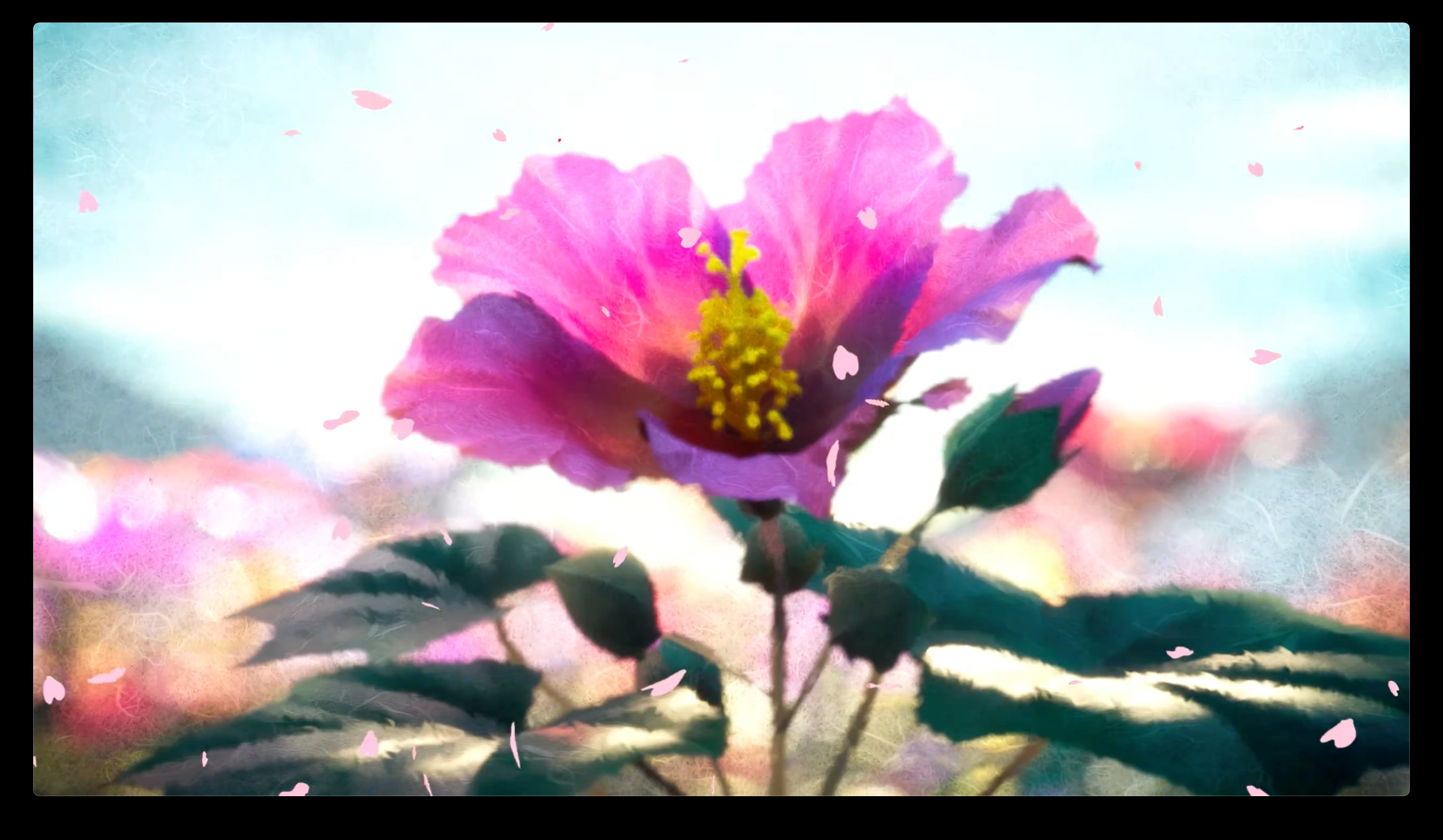
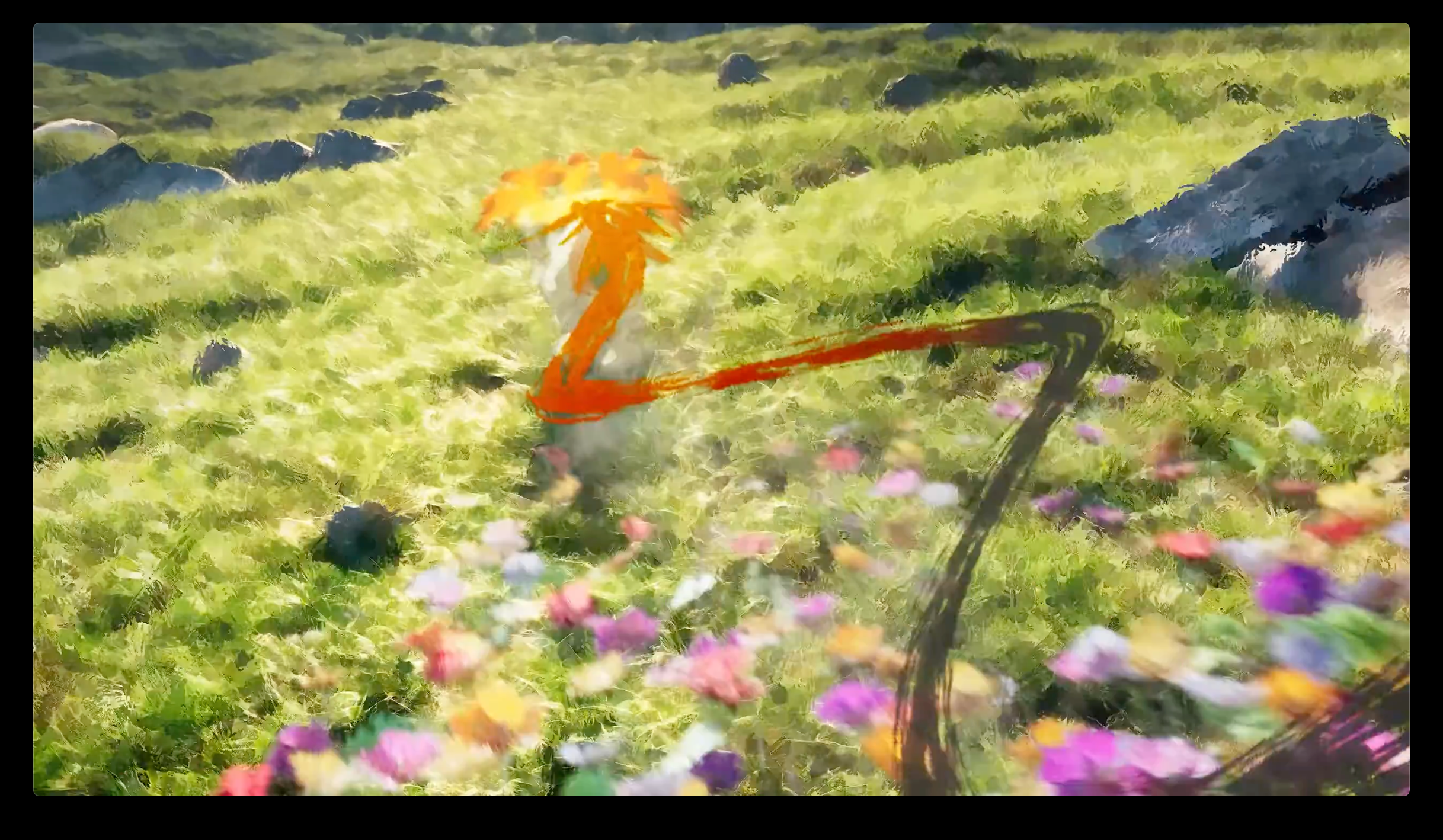
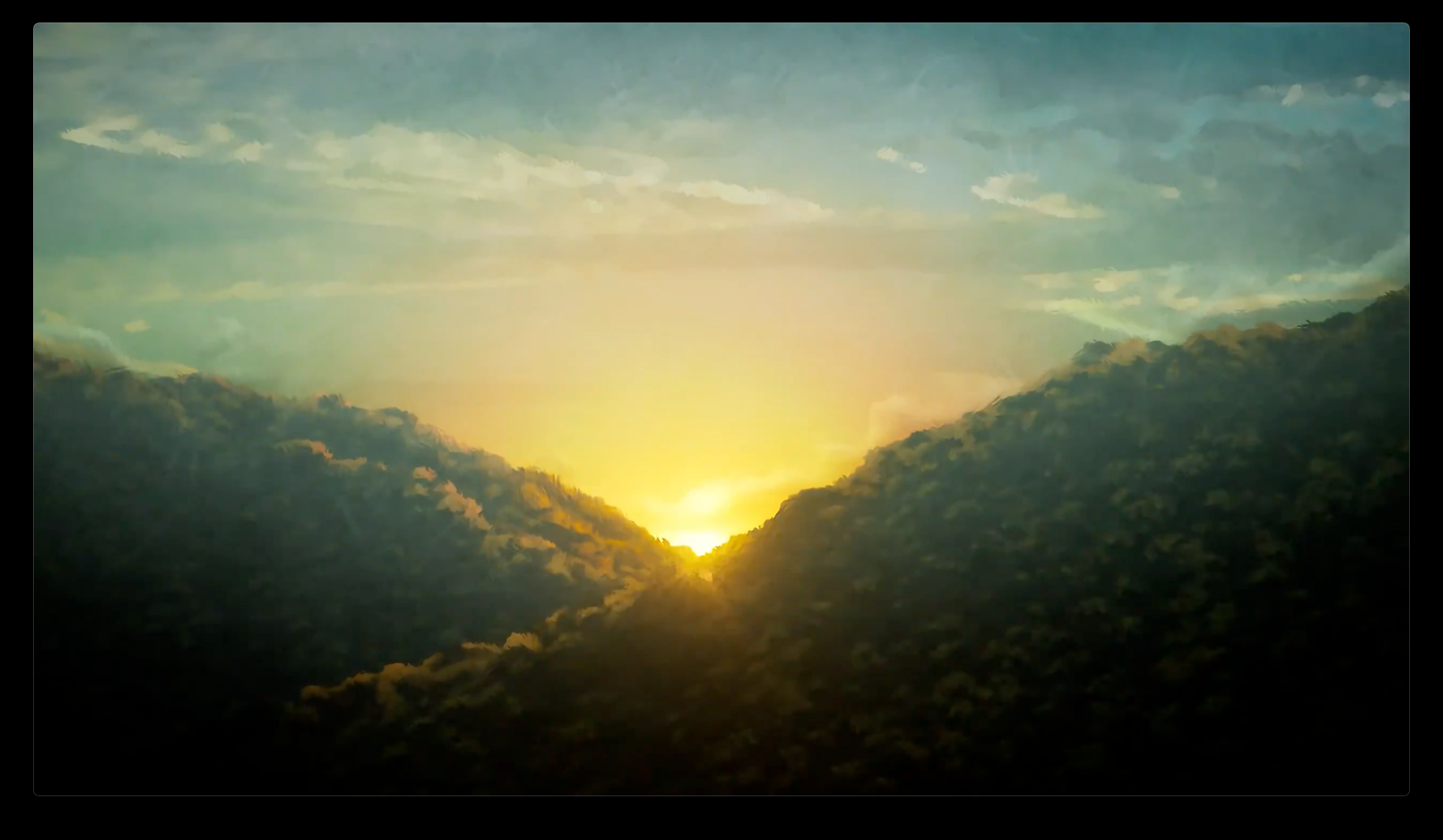
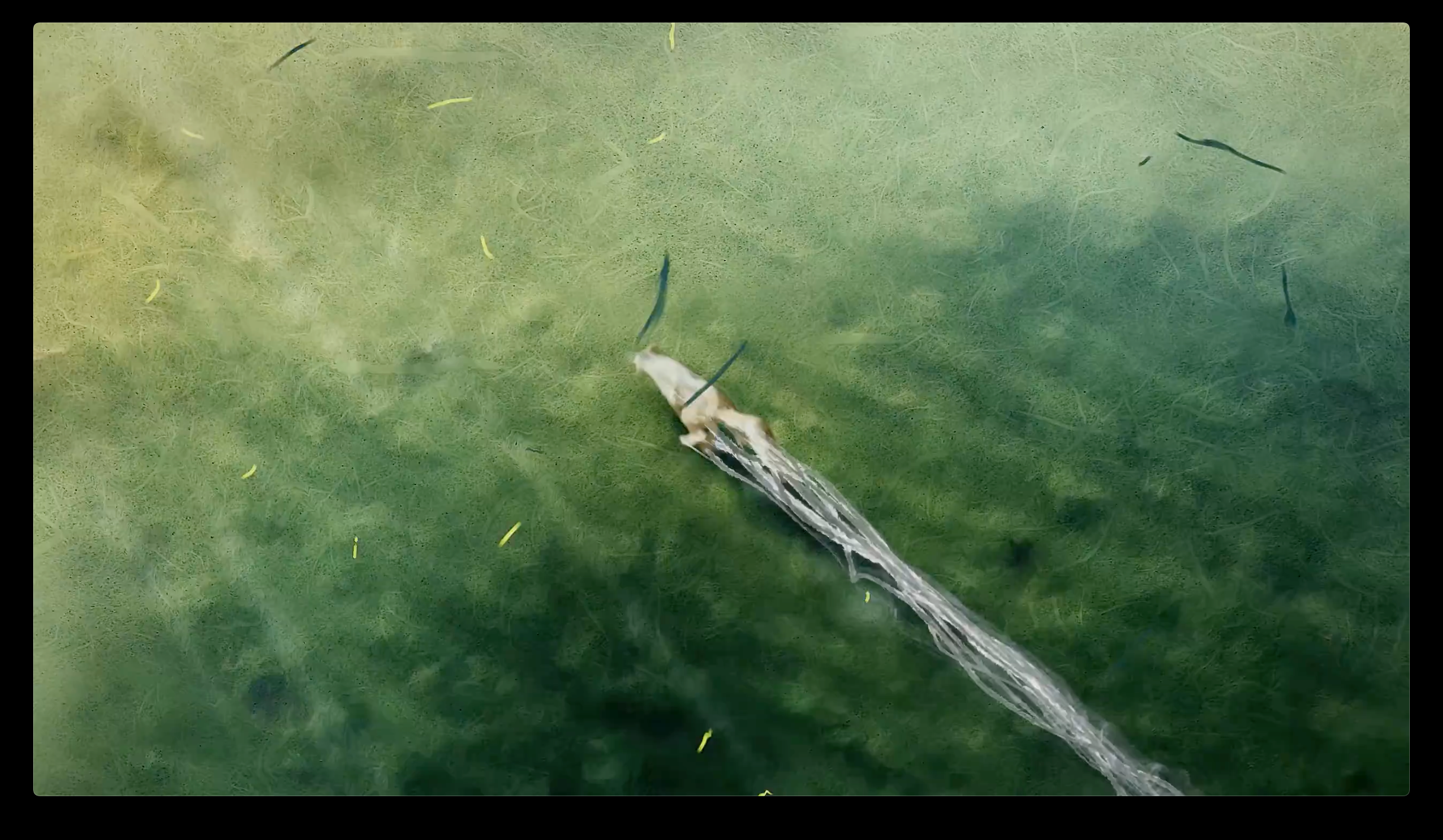
Okami 2 Game Awards Teaser Screenshots
 9 Images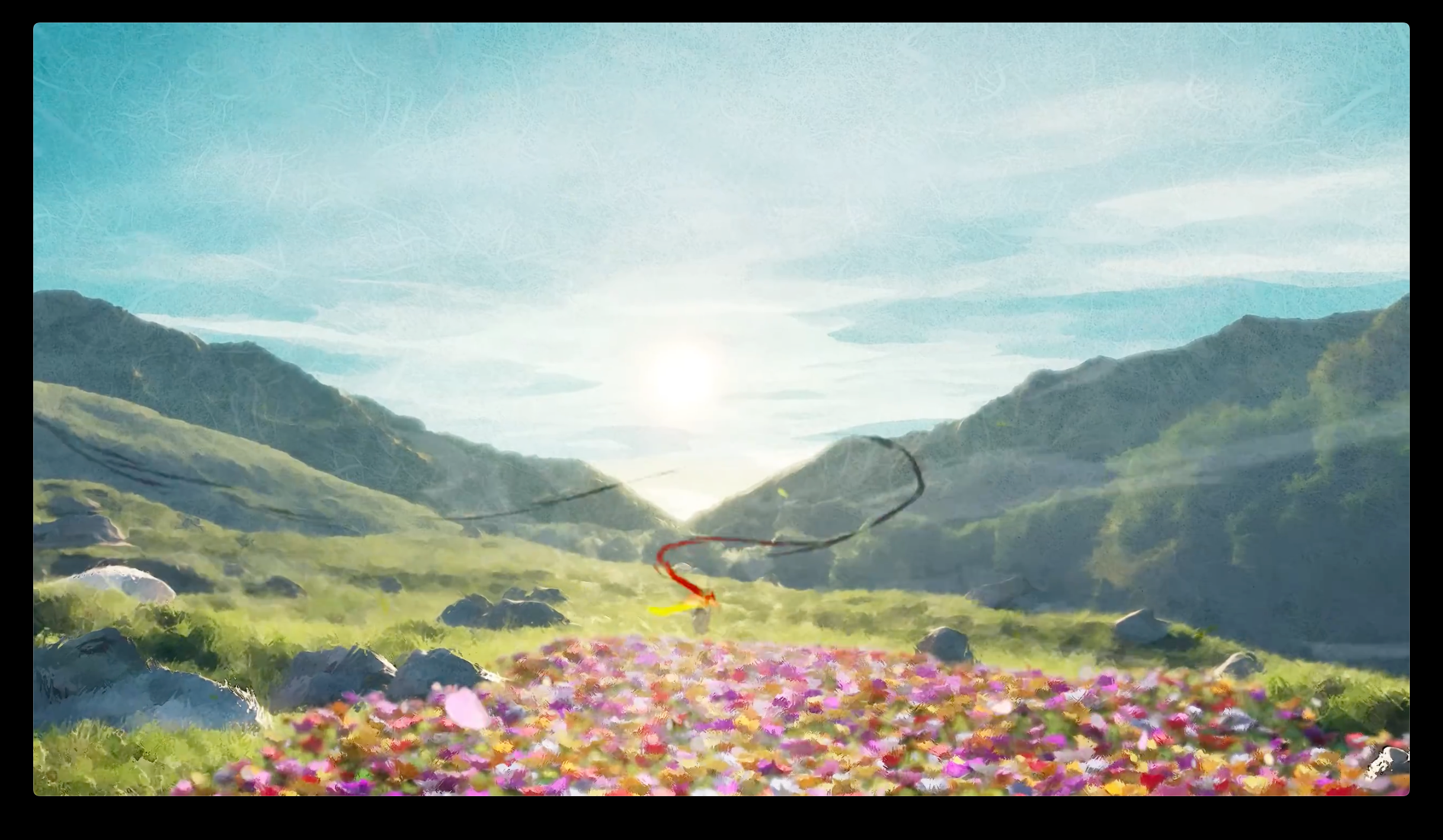
What big themes or ideas from the first Ōkami do you want to explore further in the sequel?
Kamiya: I have a clear vision for the sequel's theme and story, which I've been developing for years. It's a continuation of the original narrative, and while we consider fan expectations, our goal is to deliver a unique and enjoyable experience.
Hirabayashi: The sequel directly follows the original story, and yes, that was Amaterasu in the trailer.
How do you plan to address the control system for the sequel, considering both modern audiences and original fans?
Kamiya: We're still in the early stages of development, but we'll consider what works best for modern games while respecting the original's mechanics. It's about finding the right balance.
Given the early stage of development, why announce the sequel now at the Game Awards?
Hirabayashi: We were excited to share our vision and assure fans that this sequel is happening.
Kamiya: Announcing it made the project real, not just a dream. It's a promise to fans worldwide.
How do you handle fan expectations and the pressure to deliver the sequel quickly?
Hirabayashi: We understand the fans' eagerness, but we're committed to delivering quality without rushing. We'll work diligently to meet expectations.
Sakata: We'll do our best to keep the project moving forward.
Kamiya: We'll work hard to ensure the game exceeds expectations, even if it takes time.
What inspires you personally as you work on the Ōkami sequel?
Kamiya: The Takarazuka stage shows, particularly the Hana group, inspire me. Their unique approach to storytelling without CG or scene cuts is something I bring back to game development.
Sakata: I enjoy smaller stage performances like Gekidan Shiki, appreciating the live, real-time experience. This influences our game design, aiming for player freedom and engagement.
Hirabayashi: Recent movies like Gundam GQuuuuuuX inspire me with their emotional depth and varied perspectives.
What does success for the Ōkami sequel look like to you?
Hirabayashi: Personally, I want fans to enjoy the game and for it to exceed their expectations.
Kamiya: If I'm proud of the game and it aligns with my vision, that's success to me, even if it doesn't always match fan expectations.
Sakata: Success is when players enjoy the game, especially if it appeals to both seasoned and new gamers. For Machine Head Works, success is achieving the director's vision.
Looking ahead, what does success look like for your studios, Clovers and Machine Head Works, in the next decade?
Sakata: We want Machine Head Works to continue creating games in ten years. Our focus isn't on specific numbers but on sustaining our creative output.
Kamiya: Clovers' goal is to grow our team with like-minded individuals, fostering collaboration and shared vision.
Finally, any messages for the fans eagerly awaiting the Ōkami sequel?
Hirabayashi: We're working hard to realize our dream of creating the Ōkami sequel. Please wait patiently; it will be worth it.
Sakata: This project is driven by a team passionate about the series. We're working tirelessly to meet your expectations.
Kamiya: This sequel is a personal dream, made possible by your support. Thank you, and please look forward to what we have in store.
 Latest Downloads
 Downlaod


 Top News