
Tempest Rising: A Nostalgic RTS Masterpiece
From the moment I launched the Tempest Rising demo, I was hooked. The opening cinematic, complete with cheesy dialogue from heavily armored soldiers and a nervous scientist, instantly brought a smile to my face. The music, UI, and units perfectly captured the essence of my high school days, spent late nights playing Command & Conquer with friends fueled by sugary drinks and sleep deprivation. This modern take on a classic RTS is a blast from the past, and I'm eager to see what Slipgate Ironworks has planned for the full release. Whether battling AI in Skirmish or facing off against human opponents in Ranked Multiplayer, Tempest Rising feels incredibly familiar and comfortable.
This nostalgic feel is intentional. The developers aimed to create an RTS game reminiscent of 90s and 2000s classics, enhanced with modern quality-of-life improvements. Set in an alternate 1997, following a devastating World War 3 sparked by the Cuban Missile Crisis, Tempest Rising introduces a unique element: strange, energy-rich vines that have sprung up in the wake of nuclear fallout.
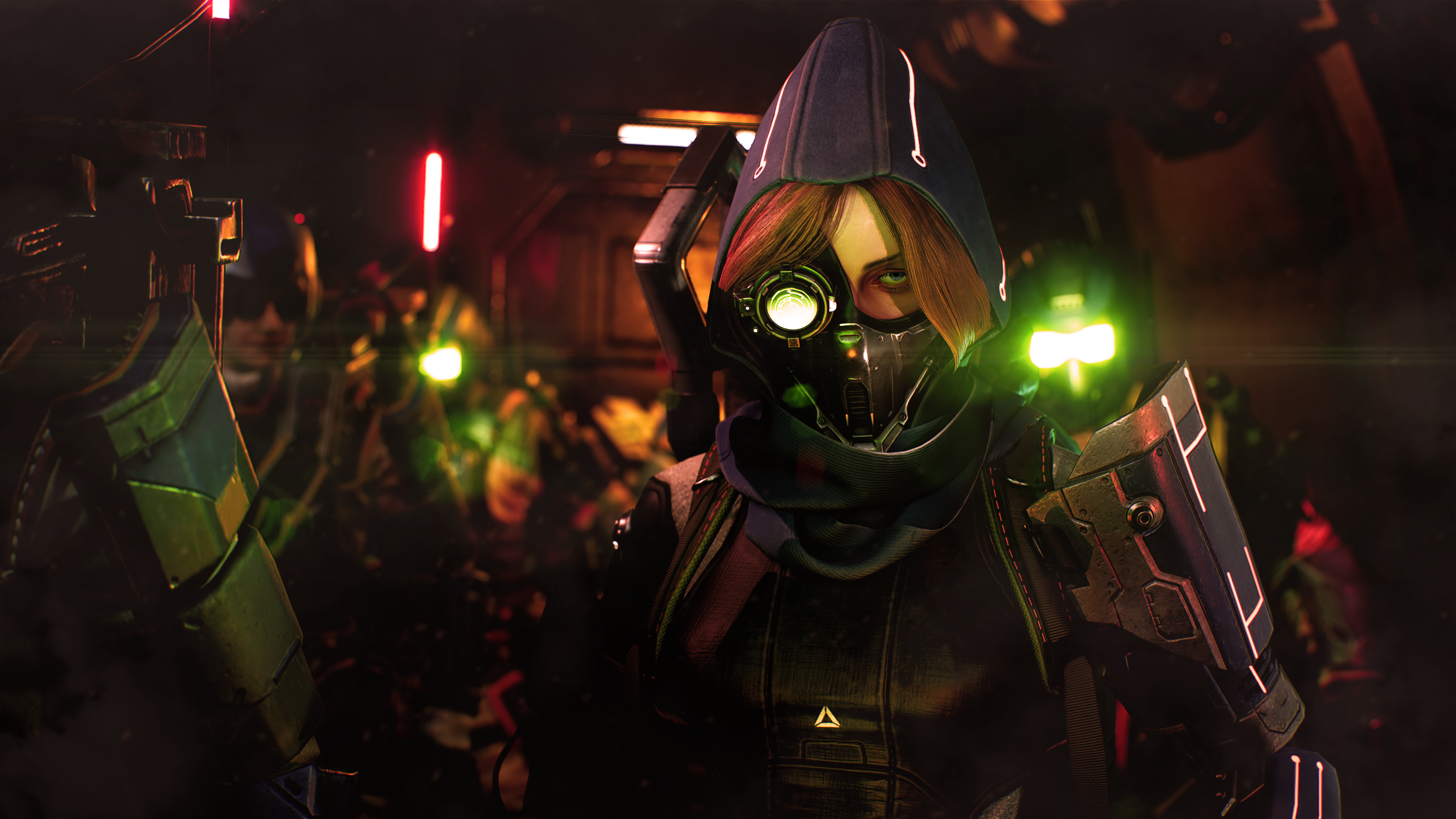
Tempest Rising Screenshots

 8 Images
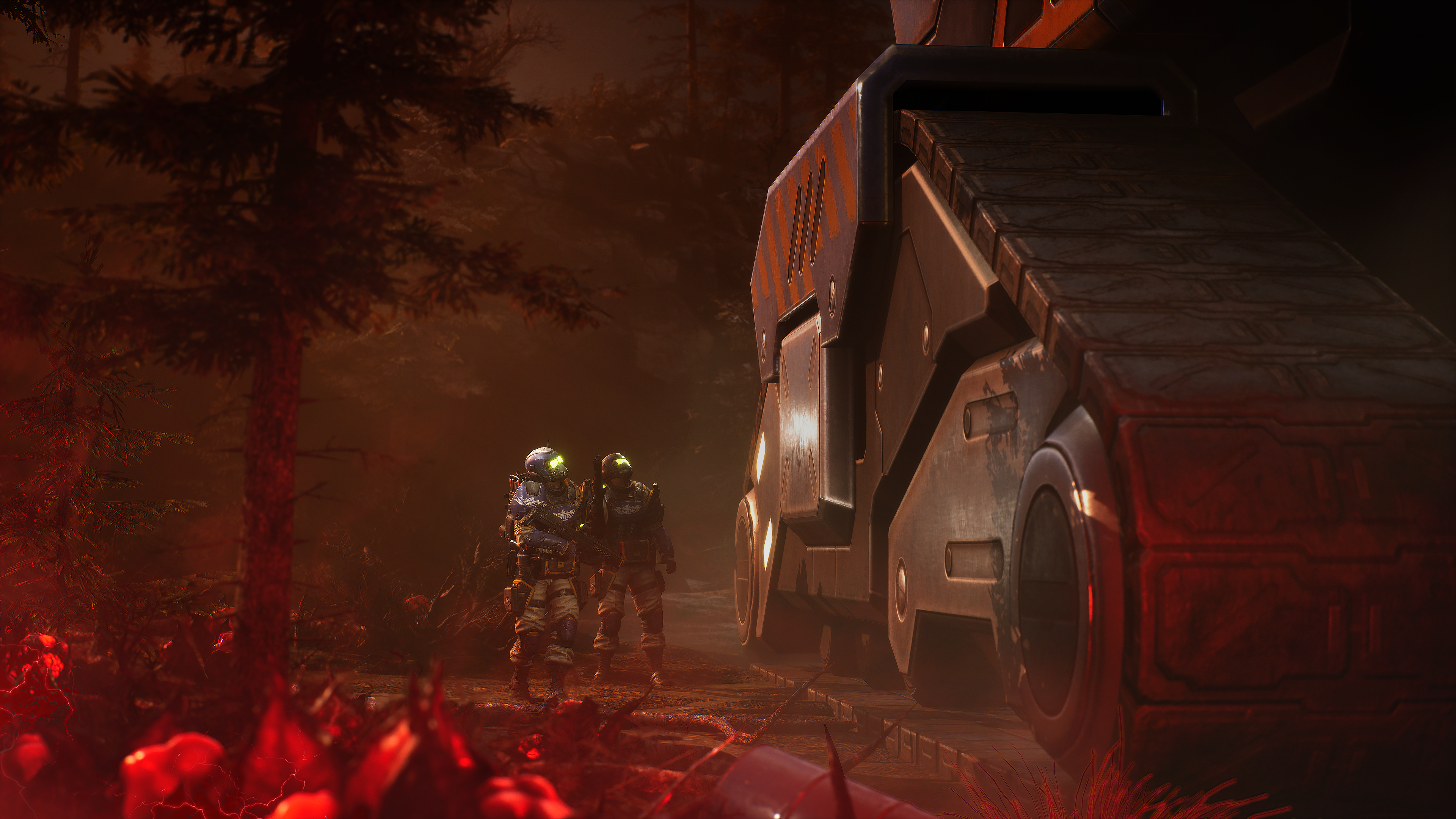
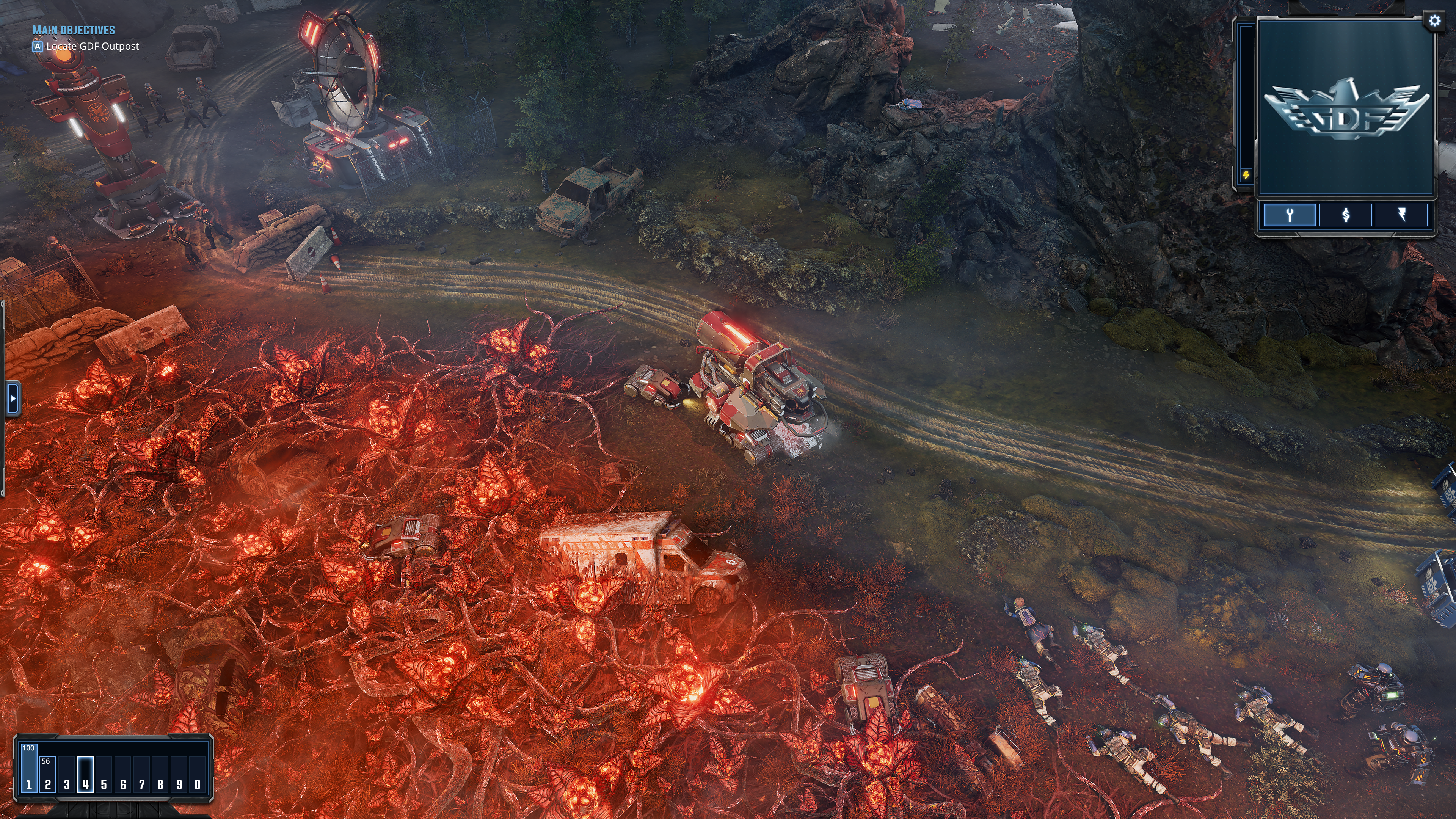
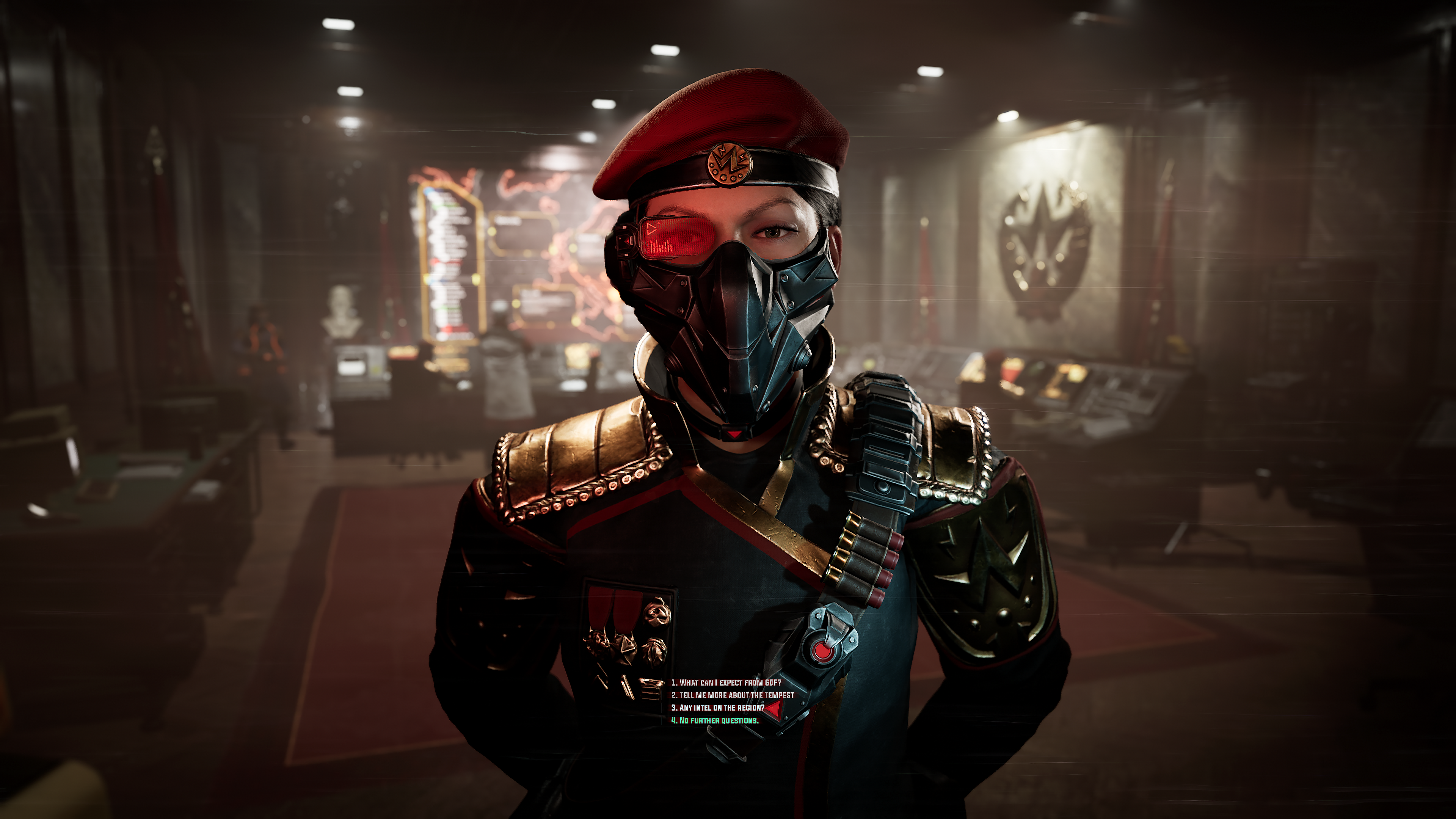
My preview experience focused solely on multiplayer, leaving the story mode a mystery for now. However, I know it will feature two 11-mission campaigns, one for each main faction: the Tempest Dynasty (TD) and the Global Defense Forces (GDF). A third faction remains shrouded in secrecy.
The Tempest Dynasty immediately captivated me, largely due to the hilariously named Tempest Sphere – a death-dealing vehicle that crushes infantry. The Dynasty also utilizes "Plans," faction-wide bonuses activated through the Construction Yard. These Plans, cycling through a 30-second cooldown, offer strategic flexibility.
The Logistics Plan boosts construction and resource harvesting speeds. The Martial Plan enhances unit attack speed and provides explosive resistance. The Security Plan reduces unit and building costs, improves repair capabilities, and expands radar range. I found a satisfying rhythm switching between these Plans to optimize my economy, construction, and offensive capabilities.
This adaptability extends to base building. Unlike the GDF, which requires Refineries, the TD uses Tempest Rigs – mobile harvesters that relocate after depleting a resource field. This facilitates rapid expansion strategies, allowing for resource gathering in less-accessible areas without compromising base security.
The Salvage Van, a unique TD unit, is a game-changer. It can repair allies or, in Salvage Mode, destroy enemy vehicles for resource gain. Ambushing unsuspecting opponents with this unit proved highly effective.
Power plants can switch to Distribution Mode, accelerating nearby construction and attack speeds at the cost of taking damage. However, the mode automatically deactivates at critical health, preventing accidental self-destruction.
While I favored the TD, the GDF offers a compelling alternative, focusing on buffing allies, debuffing enemies, and battlefield control. The Marking mechanic, where units mark targets for debuffs and Intel gain, is particularly potent.
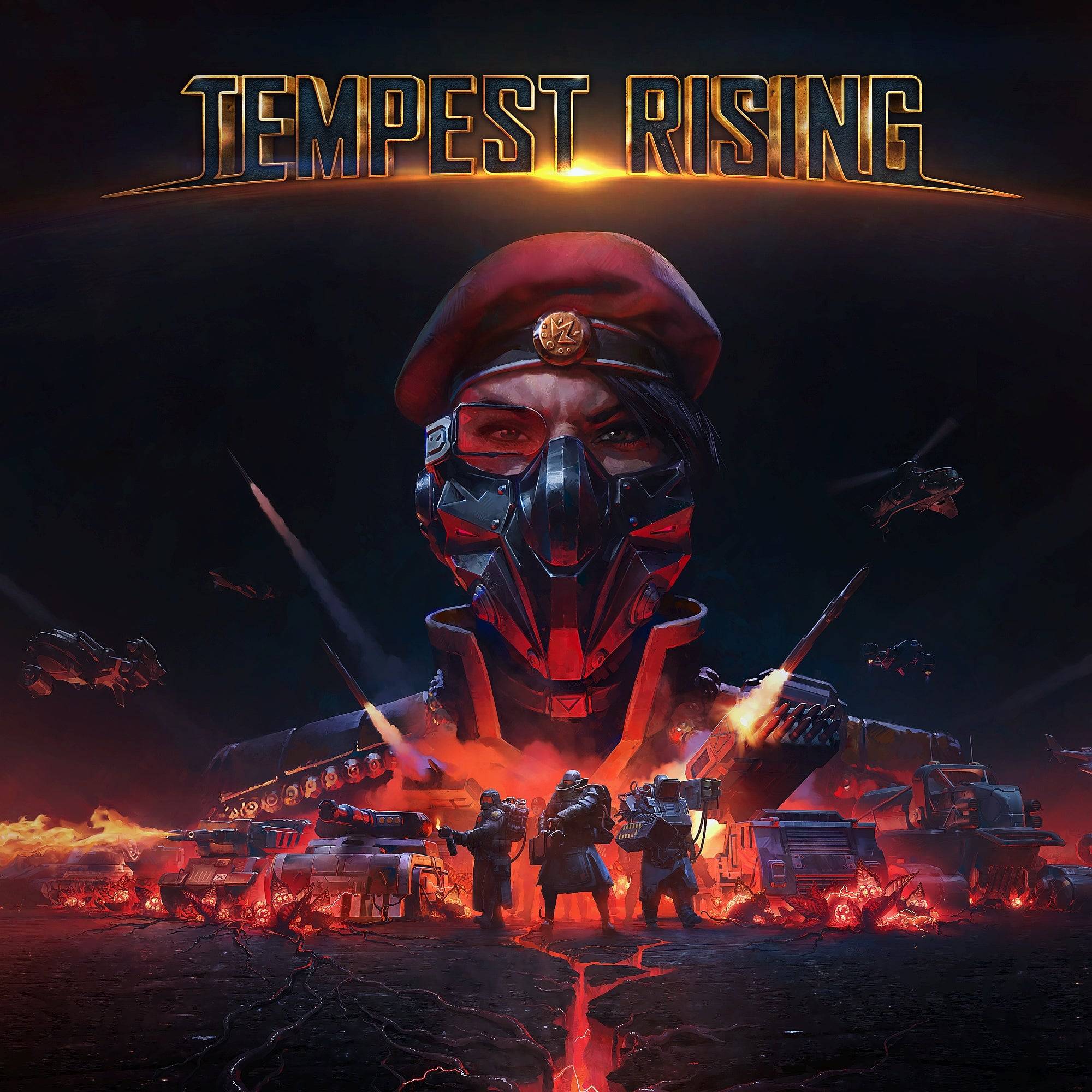 Tempest Rising3D Realms Wishlist
Both factions boast three tech trees, offering diverse strategic options. Beyond the tech trees, constructing advanced buildings unlocks powerful cooldown abilities that significantly impact battles. The GDF, for instance, can deploy spy drones and deploy beacons for remote building.
The TD's Lockdown ability prevents enemy takeovers but temporarily disables the building. The Field Infirmary, a mobile healing zone, proved incredibly useful.
I'm eagerly anticipating the full release, especially the Custom Lobbies for cooperative play against the challenging AI. Until then, I'll continue refining my death ball strategies against the bots.
 Latest Downloads
 Downlaod




 Top News