
Doom's enduring connection to metal music is undeniable. A single note from any Doom soundtrack, or even a glimpse of its demonic imagery, instantly evokes this powerful association. The series' signature blend of flames, skulls, and hellish creatures mirrors the aesthetic of countless metal bands, particularly Iron Maiden. This symbiotic relationship between Doom and heavier music has evolved alongside the game's gameplay, with both undergoing multiple reinventions over its three-decade history. From its thrash metal origins, Doom has embraced diverse metal subgenres, culminating in the metalcore fury of *Doom: The Dark Ages*.
The original 1993 *Doom*'s driving soundtrack drew heavily from late 80s and early 90s metal giants. Co-creator John Romero has cited Pantera and Alice in Chains as key influences, a connection readily apparent in the score. "Untitled," the track for E3M1: Hell Keep, for example, boasts a riff remarkably similar to Pantera's "Mouth of War."
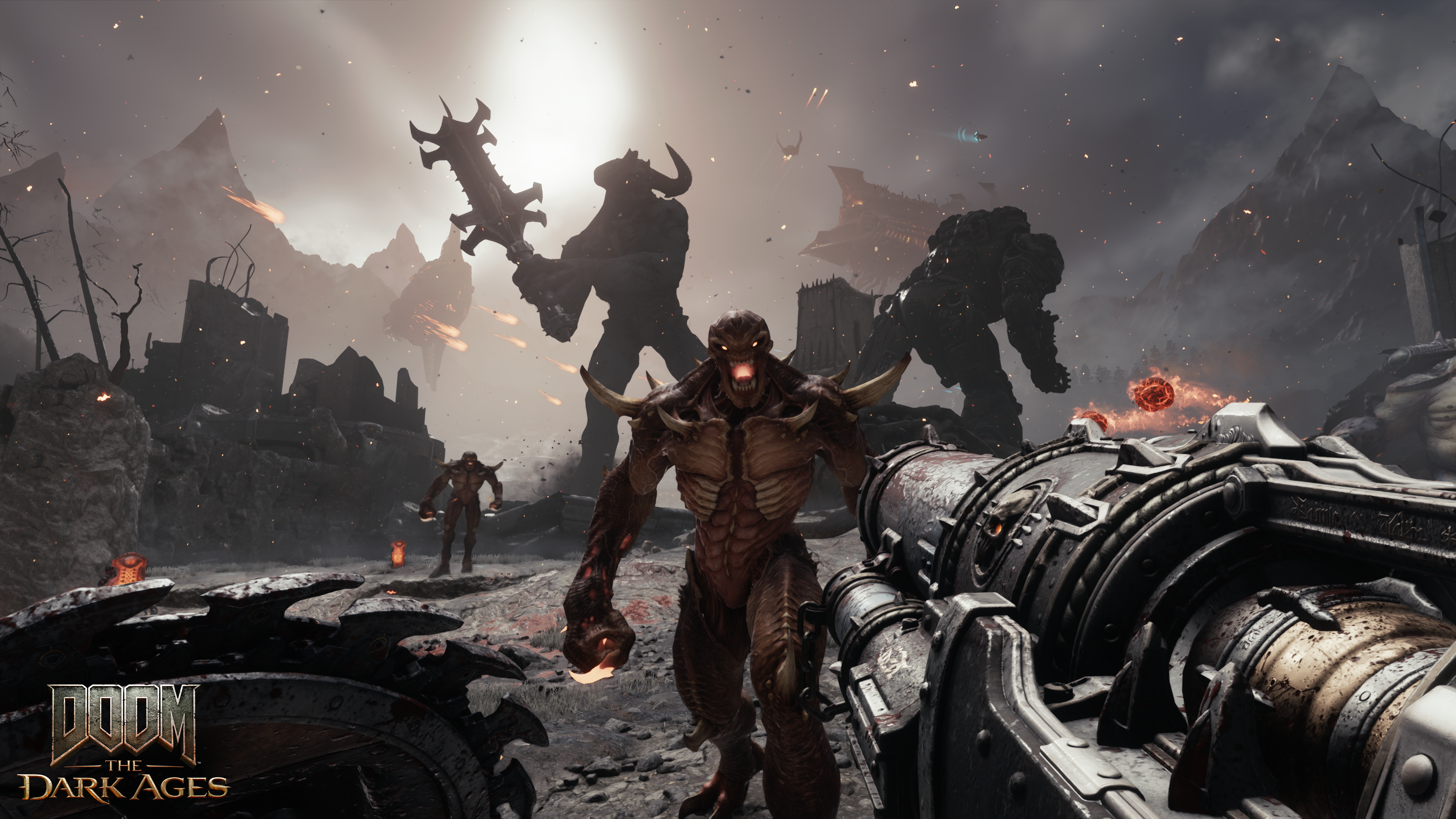
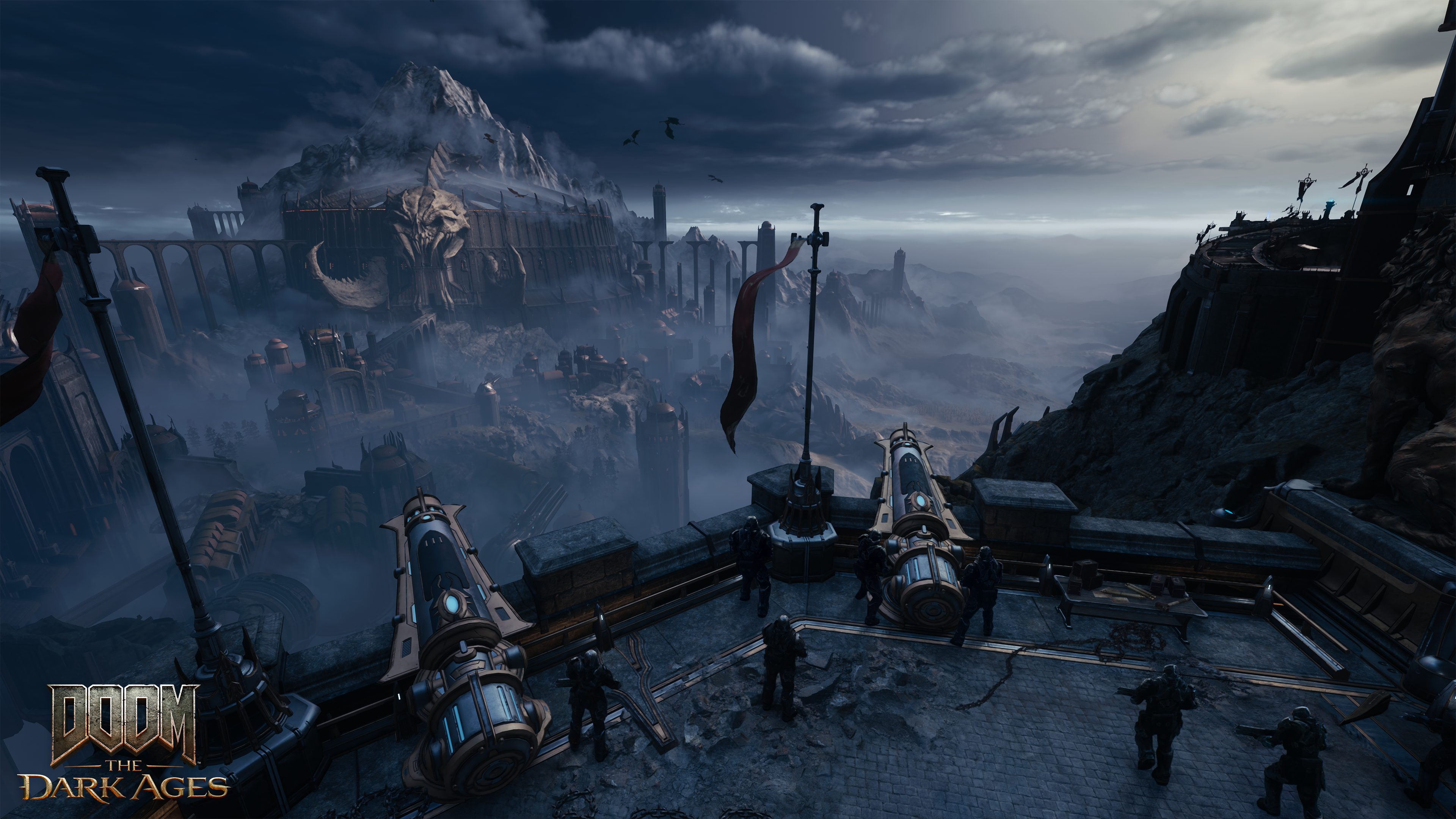
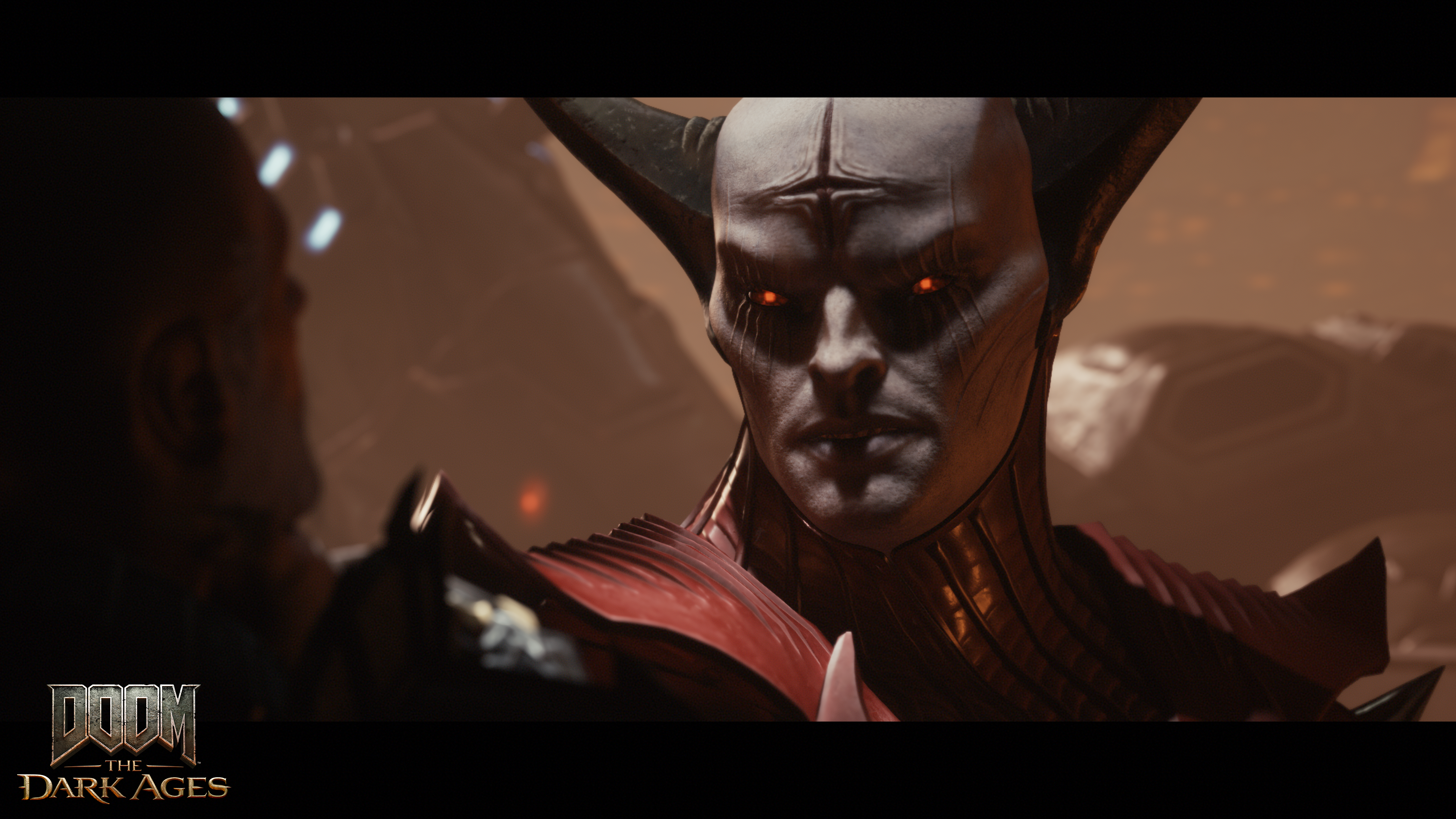
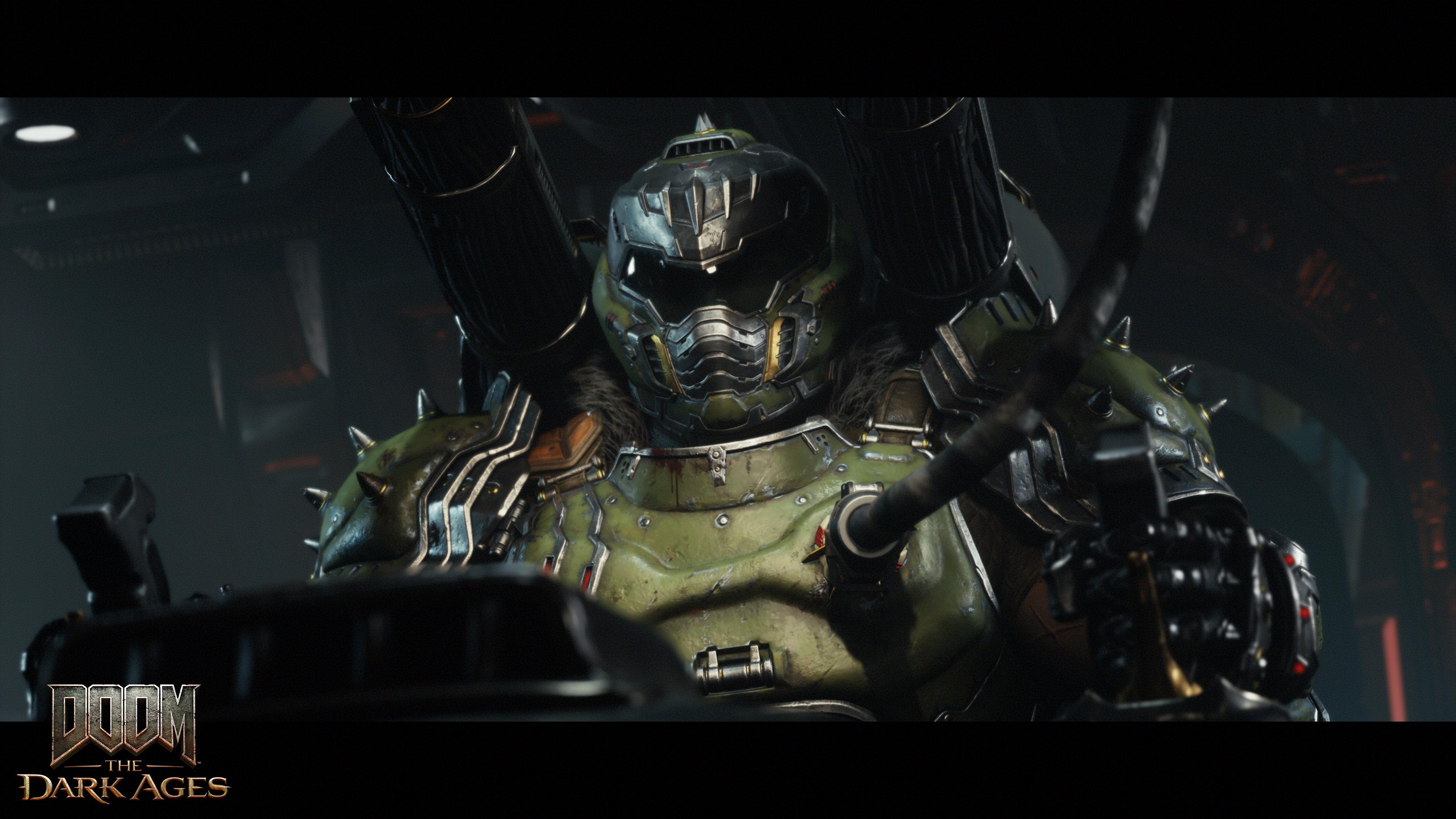
Doom: The Dark Ages - Gameplay Screenshots
 6 Images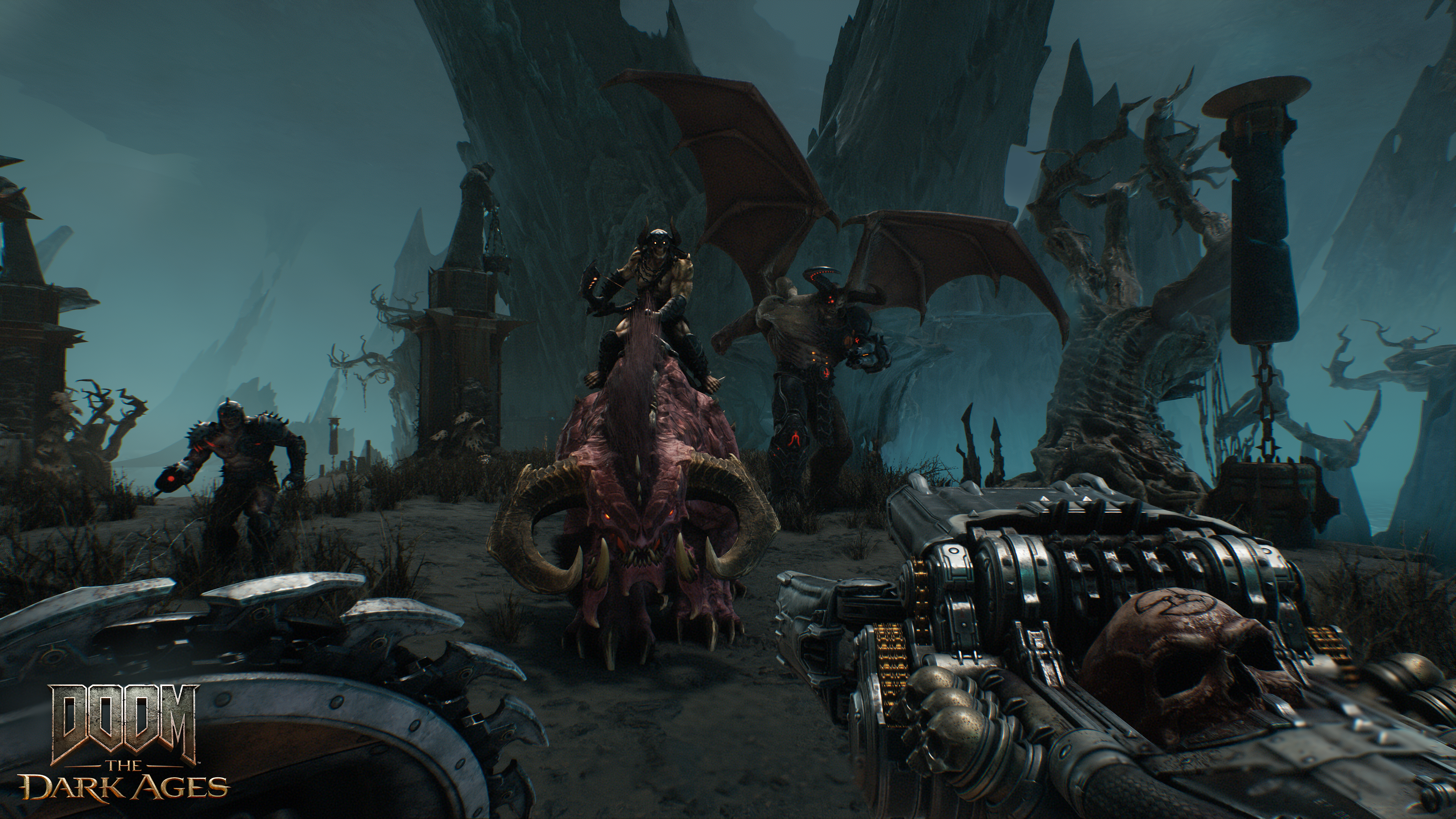
The broader *Doom* score incorporates elements of thrash metal, echoing the sounds of Metallica and Anthrax. This pounding rhythm propelled players through Mars' claustrophobic corridors, seamlessly blending frantic action with demonic encounters—much like a Kirk Hammett guitar solo. Thrash's raw energy and directness mirrored the game's shotgun-and-BFG intensity. Composer Bobby Prince's soundtrack remains as timeless as the game itself, perfectly complementing its iconic gunplay.
For over a decade, *Doom* and its music maintained this synergy. Then, in 2004, the experimental *Doom 3* emerged. This survival horror-inspired iteration took risks, some more successful than others. The controversial flashlight mechanic, which initially prevented simultaneous shooting, proved antithetical to the *Doom* experience and was later removed. Yet, *Doom 3*'s innovative spirit was undeniable. Its slower pace demanded a new sonic landscape, leading id Software to seek fresh inspiration.
While Trent Reznor's involvement was initially considered for *Doom 3*'s sound design, it ultimately didn't materialize. Chris Vrenna (former Nine Inch Nails member) and Clint Walsh instead helmed the soundtrack. Their creation evokes the atmospheric intensity of Tool, with the main theme feeling like a potential bonus track on *Lateralus*. Its unconventional time signatures and unsettling soundscape perfectly matched the game's sci-fi horror setting.
Despite *Doom 3*'s commercial success, its survival horror elements are now viewed as an outlier in the series. This isn't surprising, considering the early 2000s saw the rise of console shooters like *Call of Duty* and *Halo*, transforming the FPS landscape. The era's musical climate was similarly in flux; alongside stellar releases from Slipknot and Deftones, the aftermath of nu-metal's explosion was still unfolding. While bands like Limp Bizkit or Mudvayne might have offered interesting influences, Vrenna and Walsh's Tool-inspired direction proved ultimately fitting. *Doom 3* may not achieve the same classic status as *Lateralus*, but its unsettling soundtrack perfectly complements its atmosphere.
Following *Doom 3*, a period of development challenges ensued. After abandoning a *Call of Duty*-influenced *Doom 4* concept, id Software embarked on a complete overhaul. The result, the 2016 *Doom*, spectacularly resurrected the series, embracing the momentum established in 1993. The game's frenetic gunplay synced perfectly with its heavy metal score. Composer Mick Gordon's masterful layering of sub-bass and white noise created a visceral soundtrack that even Meshuggah might find impressive.
The 2016 *Doom* presented a djent-infused auditory assault, perfectly mirroring the game's breakneck pace. It became one of gaming's most celebrated scores, arguably surpassing the original. The challenge, then, was to build upon the success of tracks like "BFG Division."
Mick Gordon returned for *Doom Eternal* (2020), but behind-the-scenes complexities led to a soundtrack with less of his direct involvement. While his influence remains evident, the album leans further into metalcore, reflecting the genre's dominance in the late 2010s and early 2020s. This stylistic shift mirrors Gordon's concurrent work with prominent metalcore acts like Bring Me the Horizon and Architects.
The influence of these bands is palpable in *Eternal*'s score, particularly its heavier breakdowns and electronic elements. While still undeniably heavy, it feels slightly less intense than its predecessor, mirroring the game's inclusion of platforming and puzzle elements.
While I personally prefer the raw power of the 2016 *Doom*, *Eternal*'s willingness to experiment is commendable. This mirrors the evolution of metalcore itself, with some bands opting for more refined sounds. The raw energy of *Doom 2016* resonates more with me, but many would disagree.
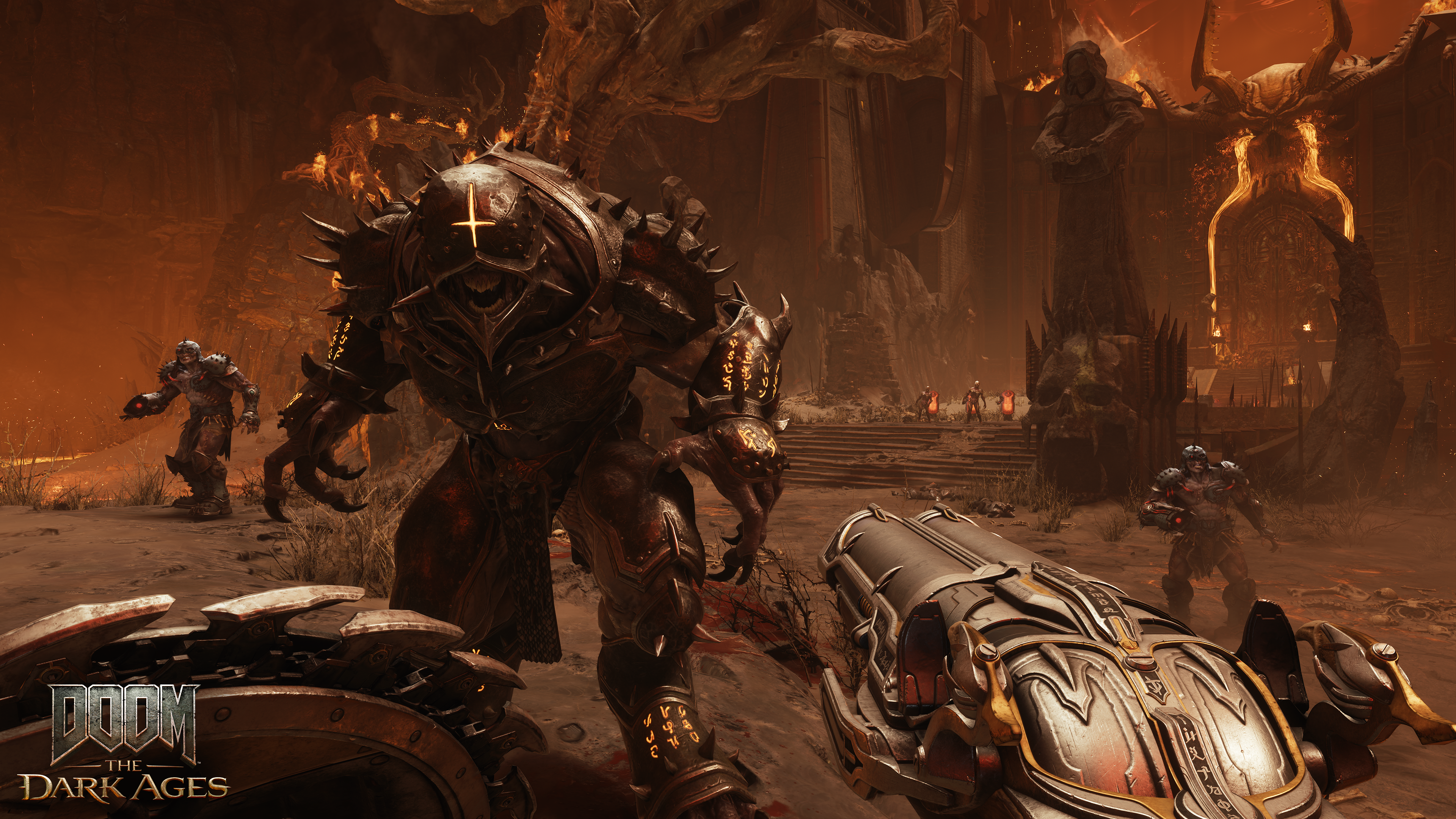
*Doom: The Dark Ages* occupies a fascinating position. Recent reveals showcase significant combat changes. This necessitates a fitting soundtrack, and early glimpses suggest composers Finishing Move (known for *Borderlands 3* and *The Callisto Protocol*) are drawing inspiration from both classic and modern metal, mirroring the game's blend of familiar and innovative elements.
*The Dark Ages* adopts a slower pace than *Eternal*'s frenetic verticality, introducing a Captain America-style shield that encourages direct confrontation. This echoes the original *Doom*'s corridor-based combat, but on a grander scale, incorporating massive mechs and fire-breathing dragons.
This necessitates a flexible soundtrack—one capable of delivering crushing heaviness alongside moments of lighter intensity. The showcased gameplay hints at a blend of Knocked Loose's seismic breakdowns and more traditional thrash elements reminiscent of the original *Doom*, even drawing on earlier metal's fantastical and medieval themes.
While the full scope of *The Dark Ages*' gameplay remains to be seen, id Software appears to be building upon the series' legacy and beyond. The addition of mythological creatures and giant mechs is a surprising but welcome departure for a traditionally grounded shooter. This evolution mirrors modern metal's experimentation, incorporating electronic, hip-hop, or even reggaeton influences.
It's an exciting time for both metal music and *Doom* fans. *The Dark Ages* promises to deliver thrills in all areas, though combat will undoubtedly remain central. If *Doom* were a metal concert, combat would be the headliner, and the soundtrack the demonic stage design. While we've only glimpsed *The Dark Ages*, the potential for a new favorite metal album alongside a thrilling game is undeniable.
 Latest Downloads
 Downlaod


 Top News