
Monster Hunter Wilds' Global Domination: From Niche Hit to Worldwide Phenomenon
Monster Hunter Wilds shattered pre-order records on Steam and PlayStation, solidifying Capcom's unique RPG series as a global gaming powerhouse. This wasn't always the case. The franchise's initial 2004 release received mixed reviews, and for years, its popularity was largely confined to Japan. This article explores the series' journey from domestic success to international acclaim.
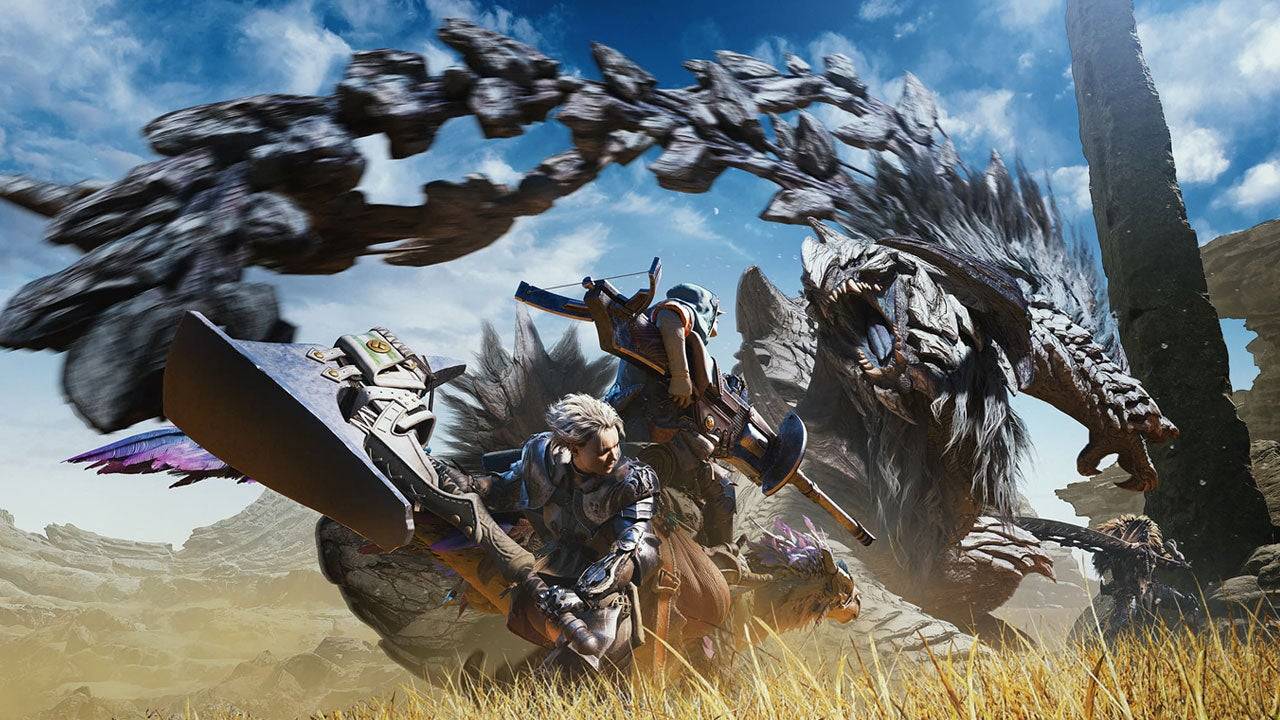
Capcom's strategic shift around 2016, marked by the introduction of the RE Engine and a focus on global appeal, played a crucial role. Hideaki Itsuno, a former Capcom director, highlights the company's clear mandate to create games for a worldwide audience. Previous attempts to target Western markets with titles like Umbrella Corps and the Lost Planet series proved unsuccessful, leading Capcom to prioritize universal appeal over catering to specific regional tastes.
The transition to the PSP with Monster Hunter Freedom Unite proved pivotal for the series' Japanese success. Japan's advanced wireless internet infrastructure at the time facilitated seamless multiplayer experiences, a cornerstone of the Monster Hunter gameplay. This fostered a strong local community and led to Japan-exclusive content, reinforcing its image as a primarily Japanese franchise.
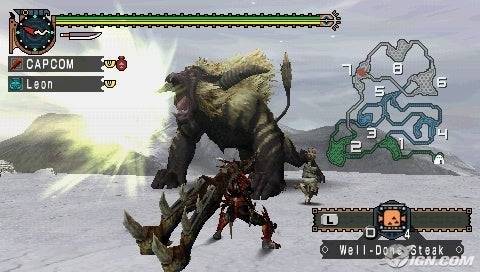
Ryozo Tsujimoto, executive producer, emphasizes the importance of Japan's robust network infrastructure in driving the game's popularity. The ease of online multiplayer on handheld consoles fueled the game's success, creating a positive feedback loop of Japanese best-seller status and region-specific content.
While Western fans existed, they felt excluded from Japan-only events and tie-ins. However, as Western internet infrastructure improved, Capcom saw an opportunity.
Monster Hunter: World (2018), released simultaneously worldwide on PlayStation 4, Xbox One, and PC, marked a significant turning point. The game's AAA console quality, enhanced graphics, and expansive world design broadened its appeal. The title itself, Monster Hunter: World, signaled Capcom's commitment to a global audience.
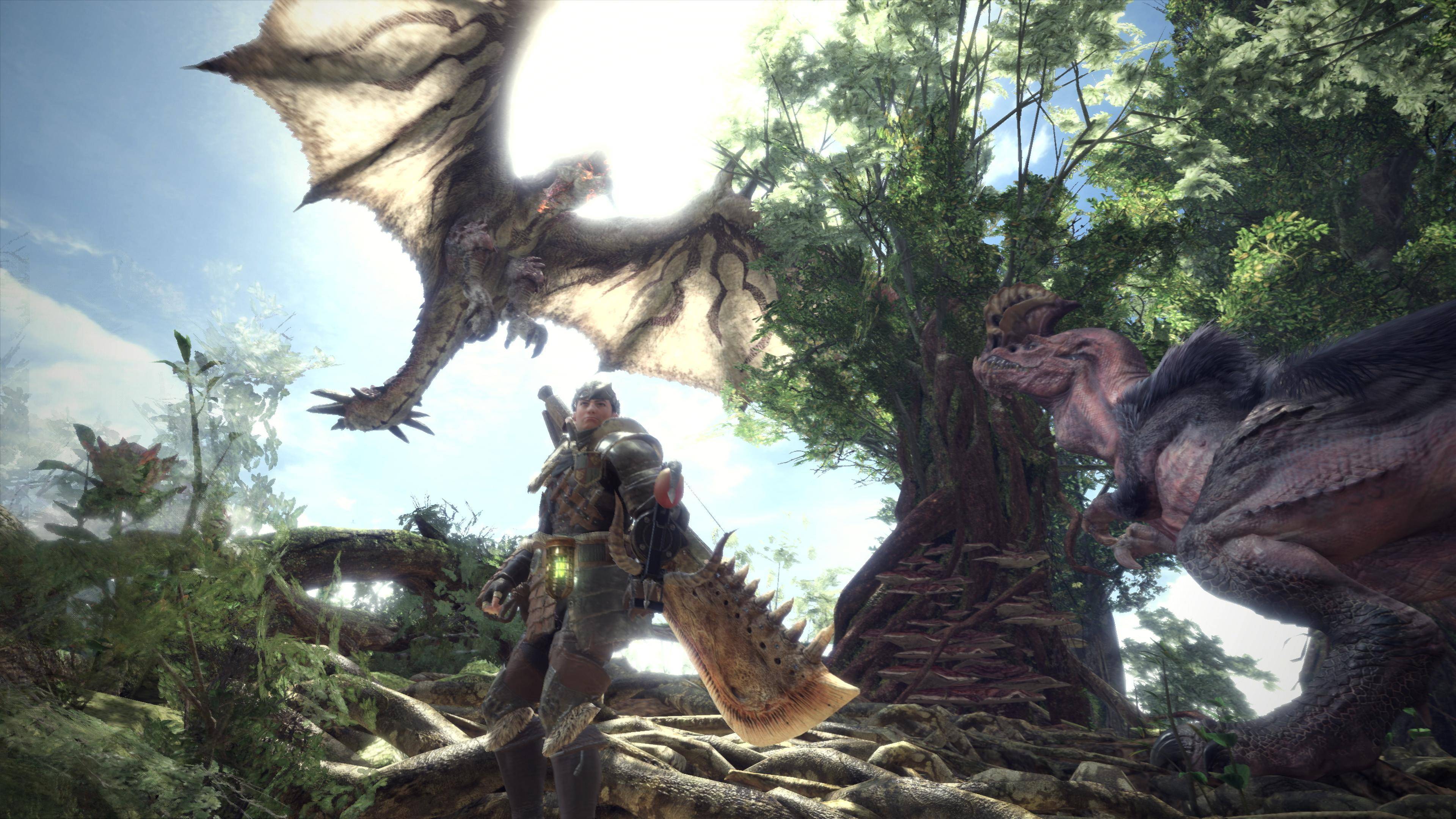
Tsujimoto explains that the simultaneous global release and the elimination of Japan-exclusive content were crucial. Extensive global playtesting also informed design choices, leading to improvements that enhanced the game's accessibility. A simple addition, displaying damage numbers, significantly improved the player experience.
The results were dramatic. Monster Hunter: World and its successor, Monster Hunter Rise, both surpassed 20 million copies sold, a stark contrast to previous sales figures of 1.3 to 5 million. This success stemmed from enhancing accessibility without compromising the core gameplay experience.
Tsujimoto highlights the focus on guiding new players towards the satisfying core action, analyzing player struggles and incorporating feedback into subsequent titles like Wilds.
Monster Hunter Wilds' impressive 738,000 concurrent players on Steam within 35 minutes of release suggests the series' continued global dominance. Positive reviews and planned future content strongly indicate that Wilds will further expand the Monster Hunter franchise's global reach.
 Latest Downloads
 Downlaod




 Top News